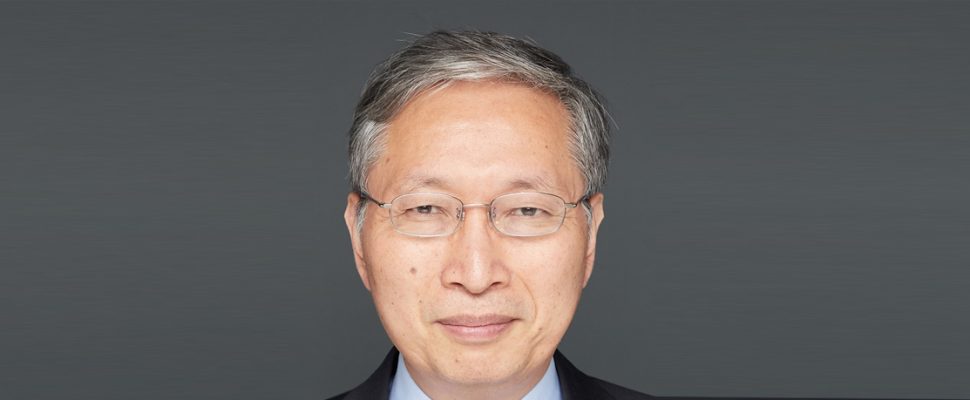
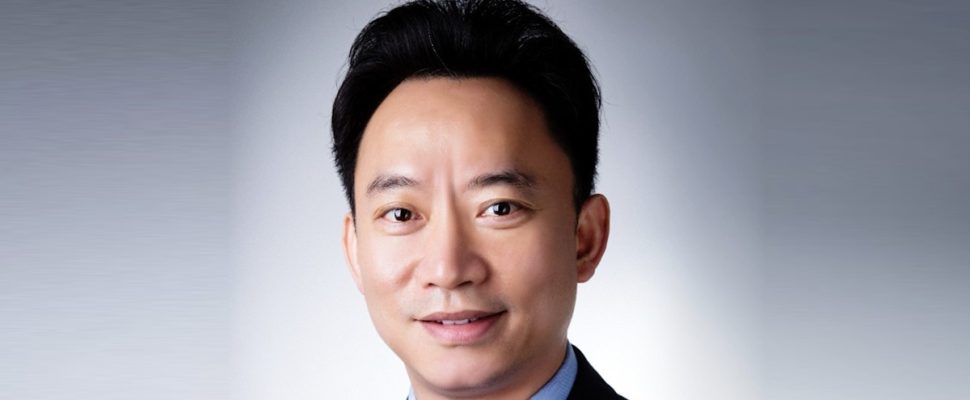
China Cancer drug development has produced an abundance of therapies, yet outcomes in solid tumours remain constrained by resistance and relapse. In this interview, Zaiqi Wang, Chairman and CEO of InxMed, explains why the company starts from tumour defence biology rather than individual targets, and how this perspective informs its combination…
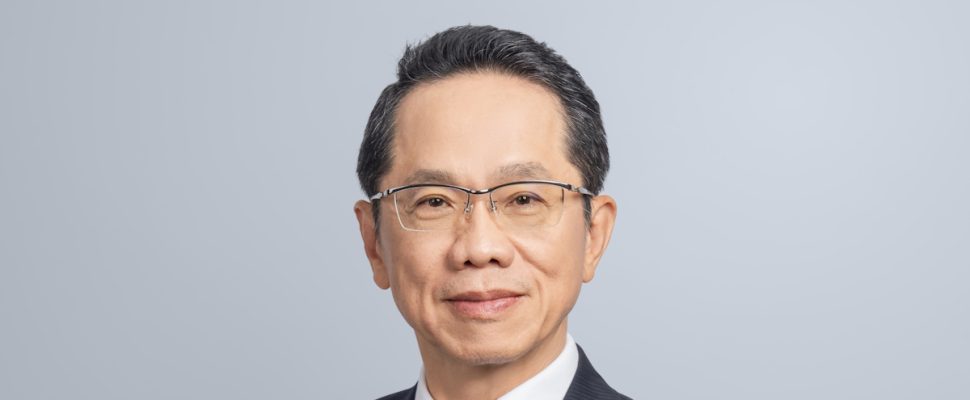
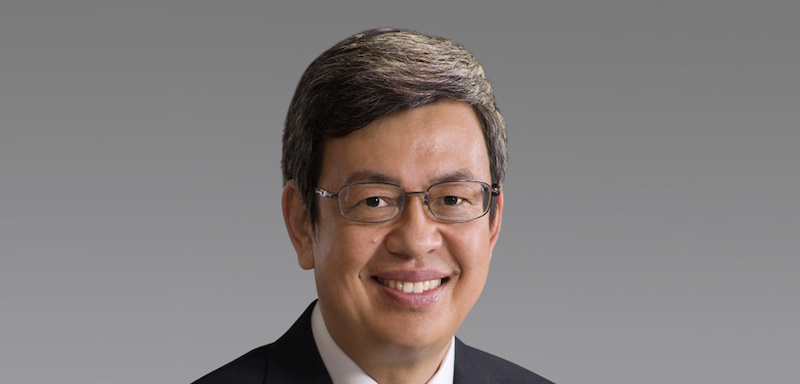
Taiwan Lih-Chung Chien, Chairman of the Taipei Exchange (TPEx), highlights the Exchange’s support for SMEs and innovative sectors via a three-tiered market, flexible IPO rules, and the Technology-Based Enterprise mechanism. Taiwan’s strong clusters in biotech, ICT, and semiconductors, along with supportive policies and active investor participation, make it a compelling destination…
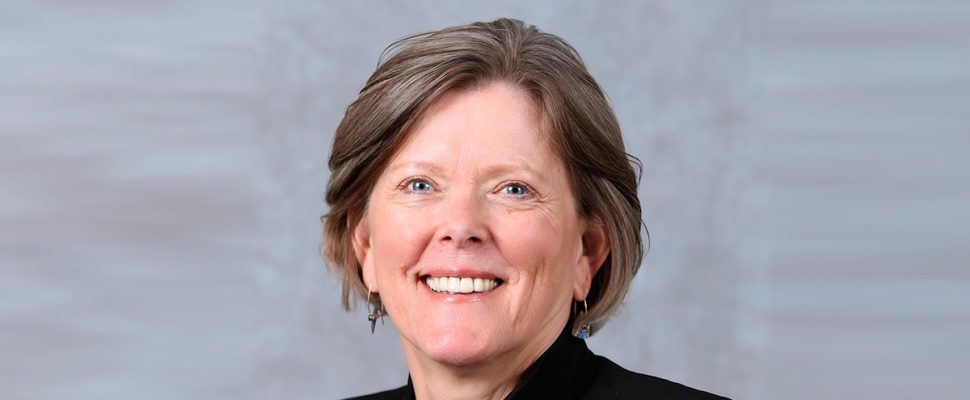
USA As rare disease science accelerates, regulators face growing pressure to adapt without compromising rigour. In this interview, Amy Comstock Rick explains how the FDA Rare Disease Innovation Hub is strengthening cross-centre coordination, evolving evidence expectations for ultra-rare conditions, and creating new spaces for dialogue between regulators, developers, and patients. The…
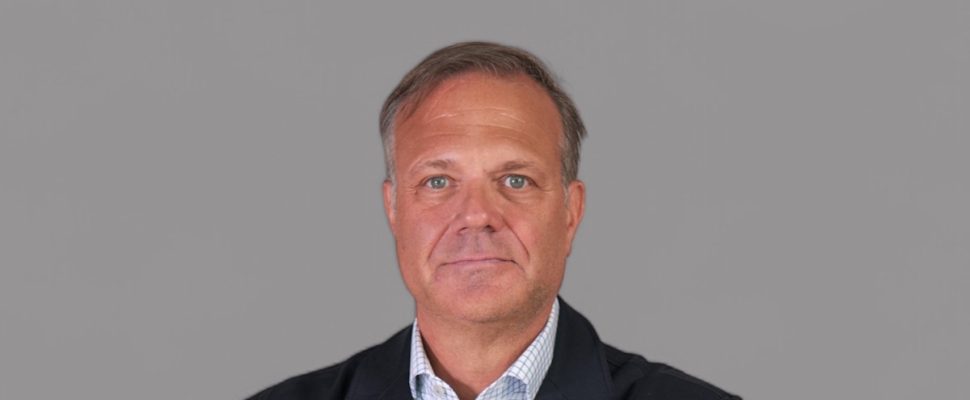
USA John Hess, Senior Vice President, Americas at Chiesi Global Rare Diseases, reflects on his career journey and the evolution of Chiesi’s dedicated rare disease organisation. In this interview, he discusses the strategic rationale behind establishing Chiesi Global Rare Diseases, the critical role of the US within the global strategy, and…
China Shaped by decades across US biotech, big pharma, and China’s high-intensity innovation environment, Dr Jing Li brings a rare end-to-end perspective on how biologics move from idea to impact. In this interview, he explains why VelaVigo is built around first-in-class biology, disciplined execution, and global partnering, and how those choices…
Taiwan Epidemiologist Dr Chen Chien-jen has spent decades at the intersection of scientific research and public health policy. His pioneering work on arsenic-induced health hazards informed international water safety standards, whilst his leadership during the SARS outbreak established Taiwan’s pandemic preparedness infrastructure. In this wide-ranging conversation, Dr Chen discusses Taiwan’s approach…
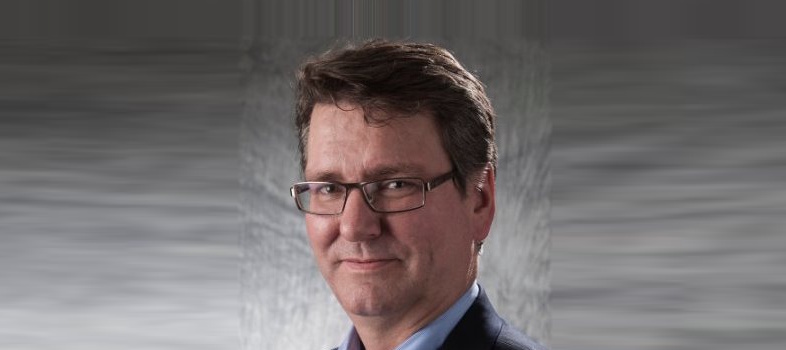
Hong Kong As Hong Kong positions itself as a regional healthcare and clinical research hub within the Greater Bay Area, multinational pharma companies are being asked to play a more active role in shaping access to innovation, generating local data, and integrating the territory into global development programmes. Joaquim Antunes Lopes shares…
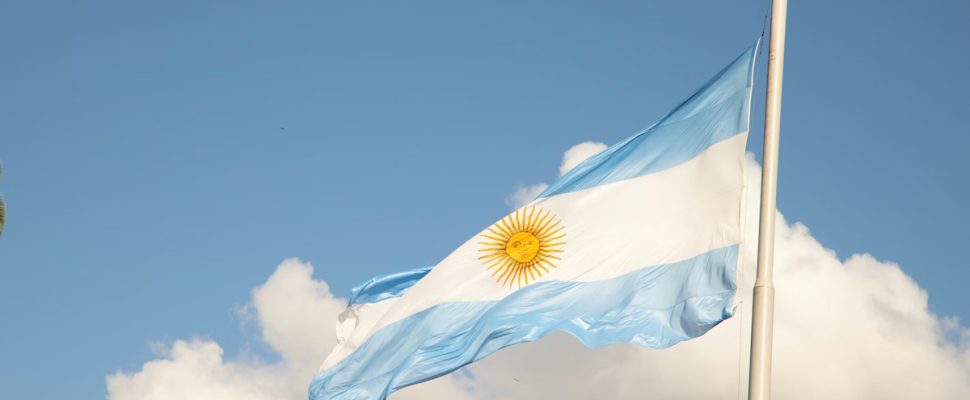
Argentina Has Argentina, for years one of the economic basket cases of Latin America, finally turned a corner? And is its pharma industry set for a bounce back? Firebrand TV pundit-turned politician Javier Milei was elected President in late 2023 on a promise to slash public spending and state intervention.…
Africa African healthcare and pharma are moving from ambition to action. Regular PharmaBoardroom contributor Lenias Hwenda explains how, after years of over-dependence on global supply chains, fragmented regulation, and limited local manufacturing, the continent is asserting greater control over its health destiny. Regulatory maturity is rising. Patient safety is gaining prominence,…
USA Founded to tackle one of the most persistent blind spots in rare disease policy, the Rare Access Action Project (RAAP) focuses on what happens after FDA approval, when therapies meet the realities of coverage, reimbursement and real-world access. Led by Executive and Founder Michael Eging, RAAP brings together patient organisations,…
Taiwan Taiwan, an early international market for Kyowa Kirin, now serves as a strategic hub within a Korea-Taiwan-Australia cluster. With a lean team, close government engagement, and clinical trial initiatives, Taiwan General Manager Tatsuru Iwamoto outlines his affiliate’s portfolio prioritisation, collaboration, and life-changing value delivery while leveraging Taiwan’s policy strengths and…
USA Ramon Parsons, Director of the Mount Sinai Tisch Cancer Center, reflects on four decades of progress in oncology – from molecular genetics to immunotherapy and cellular therapies – and the critical role of comprehensive cancer centres in translating science into care. He highlights relapse, resistance and funding constraints as key…
See our Cookie Privacy Policy Here