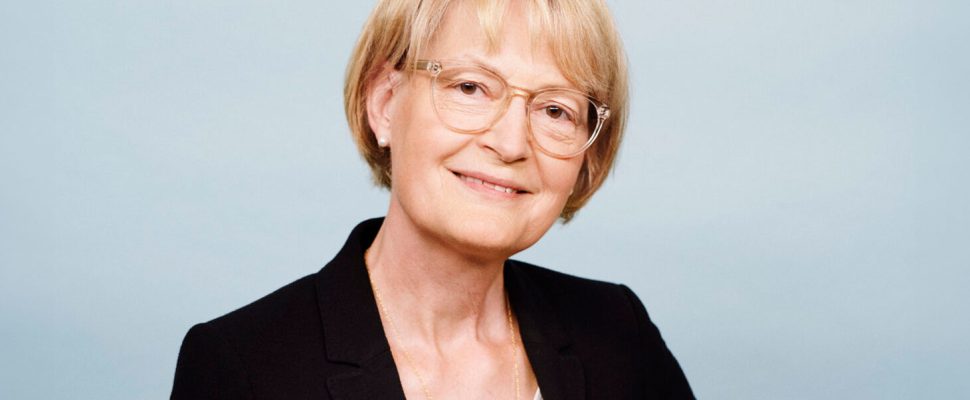
Netherlands Philip Scheltens, Professor of Neurology and Partner and Head of the EQT Life Sciences Dementia Fund, reflects on the journey from founding the world’s first dedicated neurodegeneration investment fund to building a strong pipeline of promising companies, backed by scientific rigour, biomarker innovation and partnerships with major pharmaceutical firms. With…
USA Regeneron has agreed to pay USD 256 million to acquire at-home DNA test maker 23andMe after the troubled firm declared bankruptcy. Through the buyout, Regeneron will acquire the data of 23andMe’s customers, obtaining the valuable genetic profiles of millions to potentially develop new and lucrative therapies. With ambiguous legal guidelines…
Denmark Having become Europe’s number one pharma success story thanks largely to its blockbuster weight-loss drug, Wegovy, Novo Nordisk has been hit with stiff competition from Lilly and seen a steep decline in market performance. The Danish drugmaker has moved to oust its longstanding CEO and is looking to regain lost…
UK A roundup of the biggest UK pharma news, including the industry’s uncertain position after the UK-US trade accord; Haleon’s full takeover of its Chinese joint venture; AstraZeneca’s acquisition of Belgian biotech EsoBiotec and its exit from neuroscience; GSK’s liver disease asset deal with Boston Pharmaceuticals, and CellCentric’s US expansion. …
Switzerland Patrick Amstutz co-founded Molecular Partners 20 years ago with a vision to revolutionize medicine through protein engineering. Inspired by the potential of DARPins, a novel class of custom-built protein drugs, he has led the company through key milestones—including breakthroughs in ophthalmology, infectious diseases, and oncology. Today, Molecular Partners focuses on…
Switzerland Alentis Therapeutics, under the leadership of its CEO Roberto Iacone, has made significant strides in advancing innovative therapies targeting Claudin-1, a protein critical in inflammation and cancer. The company’s pipeline includes promising antibody-drug conjugates (ADCs), such as ALE.P02, currently in a Phase I/II clinical trial, and ALE.P03, expected to enter…
Switzerland Switzerland has long been recognised as a centre of scientific excellence, and in the field of Advanced Therapy Medicinal Products (ATMPs), it is quickly becoming a regulatory trailblazer. In this in-depth conversation, Julia Djonova, Head of ATMPs at Swissmedic, shares how the agency is positioning itself at the forefront of…
Denmark Ida Sofie Jensen, CEO of Lif, Denmark’s pharmaceutical industry association, discusses the country’s bold Life Science Strategy and the ongoing healthcare reform shaping its future. She explores how Denmark is aligning innovation, access, and health system sustainability through coordinated policymaking, a new Healthcare Innovation Index, and strengthened partnerships between industry…
Puerto Rico As the global spotlight turns toward healthcare resilience and equitable access, Puerto Rico emerges as a critical yet often overlooked player. Luis E. Pizarro Otero, President of the Puerto Rico Chamber of Commerce, articulates a clear and pragmatic vision for the island’s role at the intersection of federal advocacy, healthcare…
Global Globally some 1.8 million children and young people (CYP) live with type 1 diabetes (T1D) and in low-and middle-income countries (LMICs) prevalence of the disease is on the rise. In many of these countries, health systems lack the resources to manage this complex chronic disease and the insulin used to…
Puerto Rico Sebastián Negrón Reichard, Secretary of the Department of Economic Development and Commerce, sees Puerto Rico’s current economic landscape as one of immense opportunity, particularly with the US government’s focus on reshoring. With a skilled workforce, strategic location, and historical economic strengths, Puerto Rico is poised to contribute significantly to national…
Saudi Arabia Localising the production of medicines has become a core priority for the Saudi government over the past decade as it attempts to increase national health security, create highly skilled jobs, and grow the non-oil economy. Multinational innovators now have a wide range of incentives (as well as enforcement tactics) to…
See our Cookie Privacy Policy Here