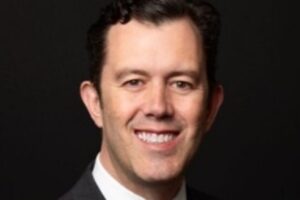
The Mexican Association of Pharmaceutical Research Industries (AMIIF) represents more than 60 of the country’s research-based pharmaceutical companies. Executive director Larry Rubin, who took on the association's leadership six months ago, outlines his priorities, such as building public awareness and stronger relationships with the government. He also weighs in on issues such as fake medicines, Mexico’s lengthy approvals, the need to digitalize regulatory processes, and the country’s untapped potential as a clinical trials hub.
You have a unique background, having worked for an airline and in executive search before moving into pharma. What attracted you to the industry and to this specific role?
My involvement with the pharmaceutical industry began in 2005 when I led the American Chamber of Commerce in Mexico. We invited key American pharmaceutical companies to be part of the Chamber board, which started my relationship with both pharmaceutical companies and the Association of Pharma in the US. A few years later, we initiated several projects, including the Intellectual Property Committee, bringing me closer to the industry. In 2008, the association invited me to lead AmCham and head a project exclusively for pharmaceutical companies, which led to the creation of the Latin America Working Group (LAWG) with about 15 Pharma members.
Although I wasn’t an expert back then, my role was to advance the pharma agenda with key decision makers and position it publicly, leveraging my media experience since 2004. This involvement allowed me to learn from 20 general managers about their challenges and how to position their issues, deepening my engagement with the industry.
After the project ended, I became an executive search consultant, focusing on life sciences, MedTech, generics, and pharma innovation, for about 10 years. This role offered a unique perspective on organizational dynamics, strengths, and weaknesses across companies. Understanding these aspects was fascinating and essential for my transition.
More recently, I have been involved with the American Society, focusing on public advocacy across industries, including life sciences. My experience in this realm, combined with my pharmaceutical background, made me an ideal candidate when I was approached by a search firm for my current role. It felt like a perfect fit, given my familiarity with the industry’s needs and opportunities.
With over 20 years of experience positioning issues publicly and through advocacy, I am well-prepared to address the sector’s challenges, including investment in health, regulatory efficiency, and bringing innovative therapies to patients more quickly.
What have you set as your main priorities in this role?
When I started in March, one of my main objectives was to ensure that decision makers and other leaders within our industry and beyond understood the significance of our association. Two months in, we organized a very different general assembly with around 350 decision makers, including ambassadors from various countries, political leaders, industry representatives, congressmen and congresswomen, and the media. This event showcased the powerful leadership within our industry and highlighted the importance of innovation to Mexico.
Another priority was to align our members on our future direction. We sat down with all our members to set a clear course for the coming years. This alignment has been achieved, and we now have the necessary tools to begin setting our tactics. Our focus remains very patient-centric because our companies are not just about selling more but ensuring that their therapies reach patients and improve health outcomes in Mexico.
For example, Mexico faces significant health challenges such as high obesity rates, leading to chronic diseases like hypertension and diabetes. Our priority is to ensure that innovative therapies reach patients, and we are working closely with leaders within the Sheinbaum administration, including new Secretary of Health Dr Kershenobich, to help them understand the critical importance of innovation in improving health outcomes.
How do you perceive the relationship between the government and the pharmaceutical industry in Mexico today?
It is crucial that the government understands the valuable contribution that innovation makes to a country. Innovation is key to improving Mexico’s health. One of our main focuses has been positioning the public perception of innovation and highlighting the issues the entire industry faces, such as investment and the problem of fake medicines.
Fake medicines are, unfortunately, a growing issue in Mexico, posing a significant health risk. Mexicans are spending more out-of-pocket on healthcare than any other country in Latin America. Due to insufficient government investment, people have to cover the costs of their therapies and hospital stays themselves.
We aim to help the government see that spending on health is an investment, not just an expense. People trying to save money often buy medicines from the market or online, believing they are real, but they end up with fake ones. This can be fatal, as patients might think they are treating their illness, such as cancer, but are actually not receiving any effective treatment. Raising awareness about this issue is vital for improving the entire healthcare ecosystem.
These challenges are more significant given the government’s budget constraints. Their spending has been directed towards other social programmes, often neglecting health. Our goal is to emphasize the importance of investment in healthcare to ensure better outcomes for everyone.
Looking at AMIIF’s agenda, which areas do you feel are on the right track and which areas might need further improvement or a new focus?
As an organization, we have decided to be more public about issues affecting both patients and non-patients in Mexico. It is essential to bring people into what we do and highlight the challenges the entire health industry faces. For example, many people do not realize how long it takes for innovative medicine to become available. They are often taking drugs that are seven years old because the approval process is so lengthy.
By helping the public understand this, they can put pressure on authorities to improve and expedite the regulatory framework. Another key focus is building stronger relationships with political and government leaders to help them better understand our industry and what it takes to achieve a healthier Mexico. This public engagement and advocacy are crucial steps towards significant improvement.
Access to innovation is always a challenge in low to middle-income countries like Mexico. You mentioned some of the regulatory hurdles and budget constraints. Can you elaborate more on the specific challenges Mexican patients face in accessing innovation today?
The Federal Commission for Protection against Health Risks (COFEPRIS), with a 2024 budget of MXN 747 million (approximately USD 39 million), faces significant resource constraints that hinder its ability to improve operations. The agency lacks sufficient staff, proper training, and the necessary digital infrastructure. We have been collaborating with the head of the digital agency to highlight the importance of digitalizing regulatory processes, similar to the EU’s approach, to enhance efficiency.
If we look more closely at COFEPRIS and the regulatory side of things, what are the goals or expectations you have for the future?
Digitalizing COFEPRIS is a major step forward. This will help standardize procedures and processes, making the regulatory framework more systematic and reducing the room for interpretation. It will enhance the overall efficiency of the regulator.
We have been working closely with the Instituto Mexicano de Servicios Sociales (IMSS), particularly with Zoé Robledo, the general director, and Marco Bucio, the secretary general, to expand their capabilities and help them achieve their goals. I have also emphasized to the new Secretary of Health that our sector, especially the innovative sector, possesses a wealth of global experience. Our companies operate in diverse markets, some similar to Mexico and others vastly different, providing a vast reservoir of knowledge on what works and what doesn’t.
We have offered to share this global knowledge with Dr. Kershenobich and Rosaura Ruiz, the new secretary of the Innovation Agency. By bringing in insights from our operations in various regions, including Latin America and Asia, we can help ensure that any changes or decisions made are informed by the best practices and successful strategies from around the world. This collaboration can aid the new administration in making the most effective decisions for the regulatory framework and beyond.
How would you describe the current environment for clinical trials in Mexico?
Clinical trials are another critical area. Currently, Mexico hosts about USD 200 million worth of clinical trials, but with fewer regulatory hurdles, this could increase to USD 4 billion. Other Latin American countries, like Argentina and Honduras, have much shorter approval times for clinical trials—20 to 35 days compared to Mexico’s eight months. This makes Mexico less attractive for clinical trials.
We have discussed this extensively with the new administration because there is a tremendous opportunity to make Mexico a hub for innovation and clinical trials. This would not only boost the economy but also create numerous jobs. For every job created in this industry, four additional jobs are generated, and the investment in clinical trials is ongoing, unlike one-time investments in manufacturing plants.
Furthermore, with 12 percent of the US population being of Mexican origin, understanding Mexican patients is crucial for the US market. This makes Mexico a natural and attractive hub for innovation. The potential is enormous, and with the right adjustments, Mexico could play a significant role in global clinical trials and innovation.
The private market in Mexico has been growing, and it is clear that innovators must engage with the private sector, especially considering their medicine portfolios and focus on innovation. With the new government, what expectations does the industry have regarding their approach to purchasing medicines?
We believe the new administration has a genuine desire to improve Mexico’s health, which is encouraging for us. This could mean our therapies will reach doctors and patients more quickly, allowing us to address many of the current health challenges more effectively. Our goal is to collaborate closely with the authorities to help shape better public policies, ensuring patients benefit from these innovations as soon as possible.
We have been working with IMSS and IMSS Bienestar, focusing on engaging with them at the highest levels. Our aim is to support them in achieving their goals, which ultimately align with our objectives of improving health outcomes for Mexican patients.
This year has been notable for elections around the world, with about half of the planet voting, including in India and the US. Mexico is also part of this wave. With such widespread political changes, what are your thoughts on how the industry should navigate this unpredictability?
I see this as a great opportunity. New political leaders provide us with the chance to revisit our objectives with them or introduce them to the innovative industry’s contributions to Mexico for the first time. Our primary goal remains aligned with bringing better health and more innovation to patients.
Engaging with legislators and local governments is crucial. We can showcase the successes we have had globally and help them envision what could be replicated in Mexico. For example, one of our key objectives this year is to take a number of key decision-makers to Boston. There, they can observe the ecosystem’s synergy involving institutions, universities, and our companies, which could inspire similar developments in Mexico.
We believe that bringing legislators and decision-makers from different ministries to see successful public-private partnerships can demonstrate the power of collaboration. If the government and international society aren’t linked, progress will be limited.
Additionally, strengthening ties with academia is essential. Before you arrived, I was discussing this with someone from the academic sector. Academia is a vital part of this ecosystem, and we must maintain close cooperation with them to foster innovation and improve health outcomes.
To finalize, what would you like to be your final message for our readers?
I believe Mexico has a lot of opportunities, especially with the new government coming in. Our association is very focused on reaching specific goals, and we are excited about the prospect of Mexican patients receiving innovative therapies sooner than before. Raising awareness about the importance of these therapies and addressing challenges such as access to medicine and combating fake medications is crucial. Improving the private sector is also essential to ensure Mexico becomes more self-sufficient in healthcare.