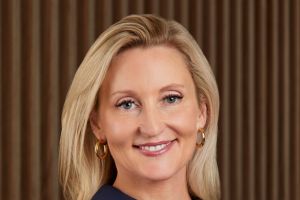
Emily Morris, head of Sanofi in Latin America discusses the company's transformative journey under the 2019-initated ‘Play to Win’ strategy. With an emphasis on optimizing their portfolio and prioritizing immunoscience, she highlights Sanofi's commitment to leveraging AI to enhance patient access to innovative therapies. Morris also delves into the importance of a targeted go-to-market strategy, particularly in navigating the diverse and complex healthcare landscape of Latin America, where tailored approaches can significantly impact patient outcomes.
As part of its ‘Play to Win’ strategy Sanofi LatAm has been reconfigured as a single structure, with Mexico as an anchor country. What was the logic behind this move?
Starting with Sanofi’s overarching vision and goals, in 2019, the company embarked on a new transformational journey to ensure long-term sustainability and bring fresh innovation to our portfolio. At that time, although we had numerous successful product launches, our pipeline was not as robust as we would have liked. We realized that a healthier R&D foundation was essential for ongoing innovation.
One of the core elements of this vision was a precise focus on developing first-in-class medicines—those that address significant unmet needs in the market, rather than being second or third entrants. Our successful launch of Dupixent, for example, has been a cornerstone of this approach. Since its launch in the US around eight years ago, Dupixent has reached one million patients worldwide, demonstrating our commitment to leadership in immunoscience.
Our strategy is rooted in prioritizing innovation, focusing our R&D efforts, and being deliberate with our spending. This is not simply about cutbacks or restructuring but about creating sustainable models that drive innovation across Sanofi’s global network. Our aim is to create synergies, make thoughtful investments in clinical trials to improve success rates, and foster talent development and talent density across the organization. Latin America, of course, is a crucial part of this vision.
One of my main goals is to help shape this new approach within the LatAm region, which operates as one of Sanofi’s seven multi-country organizations (MCOs). This structure enables us to contribute more effectively to the overall vision through portfolio optimization, a focus on immunoscience, and maintaining our commitments to manufacturing and clinical trial development, especially in Mexico and the wider region.
Having developed your entire career to this point in the US, how have you found the adjustment to working in the context of Mexico and LatAm?
Actually, the opportunity to work in a new, challenging market was one of the most compelling aspects of this role. After spending nearly 20 years in the US pharma sector, I was excited by the new possibilities that come from the diversity across Latin American markets. Aside from the cultural and language immersion—which I fully embrace—the professional landscape here presents dynamic opportunities due to the unique healthcare systems. Each country faces distinct challenges, particularly around timely access to healthcare, which is crucial for introducing innovation effectively. Navigating these challenges within rapidly evolving markets creates a perfect space for Sanofi to focus on key priorities alongside other industry partners.
One of the first things that struck me here was Sanofi’s rich legacy, especially in Mexico, where we have been deeply committed to bringing innovation to healthcare for nearly 100 years—95 to be exact. In Mexico, we have a strong foundation in cardiovascular and diabetes care, which reinforces our longstanding impact in the region. Our commitment here is apparent not only in clinical development but also in manufacturing and supply, as we operate two industrial sites in the country. We also have a public-private partnership within our vaccines business, which is an excellent benefit for patient access. It was inspiring to see this level of innovation already in action.
However, what I quickly realized is how impactful Sanofi’s new MCO model is compared to working within isolated country operations. The LatAm MCO spans 31 countries, with 11 affiliates and 2,000+ talented employees, making it our largest MCO by revenue for Sanofi. While each country has its own unique regulatory pathways and access conditions, our shared structure allows us to leverage synergies across the region, especially within our general medicines and specialty care business.
For instance, we have a strong legacy in rare disease care, which prioritizes finding patients and getting them timely access to treatment—a critical success factor in rare diseases. Argentina has excelled in this area, establishing centers of excellence and patient identification mechanisms. Through the MCO model, we can collaborate with the Argentinian team to implement similar approaches across Latin America—utilizing artificial intelligence, genetic testing, and other tools. By sharing these synergies, we can reach patients more quickly and efficiently, making a meaningful impact in their healthcare journeys.
What are the therapeutic areas in which Sanofi stands to have the biggest impact in Mexico?
Aligned with our global strategy, our ‘Play to Win’ approach focuses on becoming a leader in immunoscience, which is a key area of impact for us in Mexico. This builds on our success with Dupixent, which has multiple indications across populations worldwide, including atopic dermatitis, asthma, CRSwNP and eosinophilic esophagitis. We are also anticipating approvals in COPD—a major global need as the third leading cause of death worldwide.
In immunoscience, our pipeline is robust, with 12 key assets in phases one through three—all aimed at leveraging the immune system to address unmet needs. Many of these assets are potential first-in-class treatments in immunoscience. Additionally, we have a longstanding commitment to rare diseases, which remains a global priority for Sanofi. We also target critical needs in oncology, graft-versus-host disease for transplant patients, and type 1 diabetes.
Supporting all of this is our firm commitment to cardiovascular and diabetes care—areas where we have a significant presence and plan to continue building in Mexico and beyond.
What are some of the key strategies you are utilizing to ensure your therapies – including highly innovative ones – make it all the way to patients?
A core aspect of our strategy, both globally and within LatAm, is harnessing the power of AI to become leaders in the industry. Our CEO, Paul Hudson, is clear on this direction and recognizes that embracing AI is essential for our success. There are several specific ways we are using AI to make sure our innovative therapies reach patients.
Firstly, we are optimizing how we develop, manage, and commercialize medicines. Through AI partnerships with organizations like BioFormation and OpenAI, we can analyze extensive data sets to better match patients with appropriate clinical trials. This also enhances our ability to predict trial outcomes with greater precision, ultimately helping us raise success rates. Clinical trials carry high stakes, and AI provides valuable insights that help us minimize failure and maximize trial success.
Secondly, we are focusing on refining our clinical trial processes. Across the industry, clinical trial monitoring has often fallen short in representing diverse patient populations. By using AI, we aim to ensure that our trials include patients who truly represent the real-world clinical population, which helps reduce dropout rates and better aligns patient profiles with trial requirements. This way, we can provide a more accurate picture of each therapy’s impact across diverse groups.
Thirdly, it is vital to reach patients at the right moment in their healthcare journey. This is where patient support programs play a major role, helping with medication adherence and navigating reimbursement, among other things. AI can help us streamline these programs, allowing for a more efficient process that reduces the burden on both patients and physicians, especially considering that time with healthcare providers is limited.
While AI is instrumental, another critical component in driving innovation is reshaping our go-to-market model. Historically, we have used broad strategies, but to become a leader in best-in-class, first-to-market medicines, we need a more targeted approach. This means carefully evaluating where and how we launch, and where we choose to invest to reach the most patients.
For instance, in parts of the world, where patient numbers may be smaller but needs remain high, we consider strategic partnerships or selective launches to bring transformative medicines to these populations. We are in the early stages of this tailored approach, especially focusing on immunoscience, but the goal is to ensure our innovation reaches those who need it most.
Given this push for advanced technology and AI use across the organization as a whole, how do these process innovations manifest in the LatAm region?
While our broader vision for AI and technology applies globally, there are specific innovations we are implementing in Latin America to enhance agility and efficiency in everyday decision-making. A key example is the integration of our business app, PLAI, which has transformed how we operate. Using this app, I can easily monitor critical business metrics daily. It provides instant access to our revenue tracking, patient enrollment, progress in clinical trials, and even the potential impact of strategic decisions, such as increasing investment in a therapeutic area or adjusting our focus in specific countries. This real-time data helps us make agile and informed choices to drive patient reach and optimize resources.
Another essential factor supporting our AI advancements is our commitment to digital transformation. While this has been part of our ‘Play to Win’ strategy, we are actively working to nurture and expand our digital capabilities, not only in Mexico but across all markets. This process requires behavioral shifts within the organization and targeted investments, as we do not have unlimited resources. Therefore, we are focusing on key areas where digital engagement can have the greatest impact. In some markets, digital channels will allow us to reach patients more effectively, while in others, face-to-face interactions may remain crucial.
Overall, these are part of a larger journey, one that we are fully dedicated to advancing not only in Mexico but globally. By aligning our AI and digital strategies with local needs, we can continue to improve patient access and support our growth in Latin America.
CEO Paul Hudson recently announced new investments in R&D in line with its prioritization of first-in-class or best-in-class launches and accompanied by significant expenses cuts. How might you expect this to impact the region?
This is correct, and it aligns well with our broader goal to create a more sustainable company that can continuously reinvest in innovation. However, while we are making strategic changes and reallocating resources, we see this more as a chance to strengthen our commitment to developing first-in-class therapies. Immunoscience remains our leading focus area, but we are also investing in fields like neurology and rare diseases. Rather than simply cutting expenses, the focus is on reinvesting in R&D to sustain a pipeline of pioneering products with global reach.
In Latin America, this approach has particular importance due to the region’s complex and diverse market needs. As I mentioned, our approach is becoming more selective, prioritizing the innovations with the greatest potential impact on patient populations. To do this effectively, we must be thoughtful about where and how we allocate resources. For example, we are re-evaluating high-unmet-need areas to ensure our efforts align with access conditions and market-specific challenges. Low access in a given market does not mean we will not commit to that area. However, it is a factor we consider when there are other regions with more favorable access conditions. This approach helps us better prioritize both unmet medical needs and the accessibility of our therapies across different markets.
Given that Mexico sits next door to the US – the global innovation powerhouse – is it challenging to raise its profile as an attractive investment destination for the global group?
The proximity to the U.S. brings both advantages and challenges for Mexico. For instance, access to medicines is a significant factor to consider, particularly in Mexico. When we discuss bringing clinical trials to a region, it is essential to ensure that it aligns with our goal of launching and delivering these innovations to patients. That said, we maintain a robust clinical trial presence across Latin America. In fact, within Sanofi’s MCOs—which collectively represent 40% of the world’s population—LatAm has one of the largest clinical trial enrollment. This is noteworthy since much of the historical trial activity has been concentrated in Eastern Europe and other regions.
Within Latin America, Argentina leads in clinical trials, thanks to its efficient enrollment and strong record of successfully progressing trials. Mexico also has a strong presence—though we may be at a tipping point here. This is why it is crucial for Mexico’s pharma industry to unite in advocating for better access to innovative medicines, especially those addressing high unmet needs. With the evolving political landscape, we are optimistic that we can engage in constructive discussions to bring about meaningful change in this area.
Looking forward, what is the future of Sanofi in the region?
Sanofi has a very strong foundation in Mexico and Spanish-speaking Latin America, and I fully expect this to continue and grow stronger over the coming years. With our ‘Play to Win’ strategy and transformation, the organization is focused on becoming a leader in immunoscience, underpinned by our commitment to artificial intelligence, digital innovation, and robust growth focus. These efforts should enable us to deliver more groundbreaking medicines to Mexico and the broader region.
Of course, we know challenges lie ahead. Top of mind is of course improving access to innovative therapies and ensuring the sustainability of healthcare, particularly within the public sector in Mexico. We are dedicated to collaborating with stakeholders to make tangible progress in these areas. Additionally, our long-term commitment is demonstrated by our investments not only in our commercial business but also in manufacturing. For example, we employ hundreds of people in Mexico and are committed to producing many of the medicines that supply the entire Latin American market, with significant manufacturing hubs in both Mexico and Argentina.
An exciting development is the recent establishment of the Sanofi Hub in Bogotá, Colombia. We now have three global hubs, with the others located in Hyderabad, India, and Budapest, Hungary. Bogotá was chosen for its wealth of talent and sizeable existing affiliate, and it will become a major driver of our operational agility and efficiency. In just 18 months, we have grown the team in Bogotá to over 300 people who support the Americas across various functions—from talent management and people excellence to clinical trials, medical operations, and procurement. This Hub is set to significantly enhance our operational strength and drive growth across the region.
How does Sanofi go about ensuring that talent development efforts and the values of diversity and inclusion are kept at the core of operations within its newly established multi-country organizations (MCOs)?
One of the main ways we promote diversity, equity, and inclusion is through our robust employee resource groups. These groups foster an environment where employees of all backgrounds—whether by gender, LGBTQ+ identity, age, or early career status—can contribute fully. This creates a unique platform for employees to share their ideas and helps ensure that we attract, retain, and nurture talent by providing resources, support, and opportunities to grow within the organization.
Additionally, I want to highlight our “A Million Conversations” initiative, which is a €50 million global investment focused on addressing healthcare inequities. Mexico is a key market in this initiative, where we’re partnering with external groups and engaging in essential dialogues to advance healthcare access and inclusion. For instance, we’re exploring ways to support indigenous language speakers and fostering inclusion within the LGBTQ+ community. This initiative is more than just a funding commitment; it’s a promise to work alongside communities and be accountable in creating equitable healthcare and workplaces across the region.
Such initiatives help us showcase Sanofi’s commitment to inclusivity and talent development, ensuring that each team member feels valued and empowered to bring their best. This is not just essential for our operational success in Mexico and LatAm, but it’s also a vital part of positioning Sanofi as an organization where diversity is celebrated, leading to stronger, more sustainable success.
What message would you like to deliver on behalf of Sanofi to the LatAm region and to your colleagues within the global industry?
For the past 95 years and today, Sanofi remain fully committed to driving innovation in Latin America—with Mexico at the heart of that mission. Given the evolving healthcare needs and the pressures from political systems and financial access, we have structured ourselves as a multi country organization in LatAm to best tackle these challenges in an adapted way. This allows us to be more thoughtful and selective in introducing the most innovative medicines, focusing on areas where we have significant leadership in developing clinical trials and launching commercialization—particularly in harnessing the immune system.
This commitment is further reinforced by our dedication to manufacturing and supply, optimizing clinical trials, and prioritizing the patients of the region. We want to remain a patient-centric organization, therefore, the healthcare environment in LatAm markets requires us to rethink not only about the innovation of our medicines but also how we deliver these innovative treatments to patients. Our go to market models need to be just as innovative as the products we commercialize.
Finally, what excites you the most of this new journey that you have ahead of you in leading Sanofi across Mexico and Latin America?
What excites me the most is the diversity of the region and the complexities of each market. The differences are striking, but the opportunities to synergize and shorten access times to impact patients more quickly and effectively are immense. I find this dynamic very exciting representing significant impact for patient.
Additionally, changes in political systems and leadership across the region present new possibilities for partnerships and collaboration. There is a lot of exciting innovation happening right now, but we also face constraints within the healthcare system. Therefore, collaborating strategically with my team and leaders in Mexico and beyond creates a fantastic opportunity for us to develop sustainable healthcare solutions.