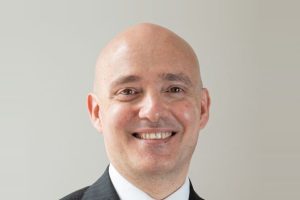
Hernán Porcile, General Manager of Takeda Mexico, discusses the company’s innovative therapies, regulatory strategies, and the integration of " “Takeda-ism” within the Mexican cultural context. He emphasizes Takeda's commitment to sustainability, diversity, and collaboration with local healthcare ecosystems.
How does Takeda’s presence in Mexico stand out, particularly in this milestone year for the company?
This year is indeed exceptional for Takeda, as we commemorate 60 years in Mexico and 243 years globally. Our operations in Mexico are unique within Takeda, featuring a unique integrated setup. This includes a manufacturing site, robust commercial operations for launching innovative products, and the recently inaugurated Innovation Capability Center (ICC).
The ICC in Mexico is one of only three such centers worldwide, alongside those in Bratislava, Europe, and an upcoming one in India. This anniversary underscores our steadfast commitment to Mexico, reflected in significant investments in infrastructure, capacity, and talent development. Our organization here comprises approximately 550 employees, with around 200 based at our headquarters and in commercial operations, 220 in manufacturing, and over 100 in the innovation center, which we plan to expand to 200-250 employees.
These investments transcend physical infrastructure, focusing on cultivating talent and enhancing capabilities. We are advancing not only in pharmaceutical innovations but also in digital transformation and global service delivery, demonstrating our dedication to fostering growth and development in Mexico.
Why was Mexico chosen as one of the locations for Takeda’s Innovation Capability Center (ICC), and what impact has it had?
Mexico was chosen for several compelling reasons. Firstly, the country has a wealth of professional capabilities and a deep talent pool, particularly in digital engineering. Nearly all of the over 100 people working at the ICC are Mexican, underscoring the high level of local expertise. Secondly, Mexico’s strategic geopolitical and geographical positioning is highly advantageous. With a significant portion of Takeda’s global operations based in the US, having a center in Mexico strengthens our strategic presence in the Americas. Additionally, Mexico’s stable macroeconomic environment provides a solid foundation for sustainable operations in Latin America.
The primary reason for choosing Mexico, however, is the exceptional capability of its professionals, especially in digital engineering. This aligns perfectly with Takeda’s ambitious digital transformation agenda. We firmly believe that to truly accelerate our digital transformation and drive efficiencies, we need robust in-house digital capabilities. Outsourcing such critical functions would be akin to running a restaurant with an outsourced kitchen.
Our investment in the ICC is already delivering tangible benefits. We are standardizing processes and databases globally, which not only speeds up access to treatments but also enhances our ability to manage data from clinical studies. Additionally, our digital initiatives have led to the development of applications that provide solutions beyond pharmaceuticals. For instance, we have apps that help manage hereditary angioedema (HAE), inflammatory bowel disease (IBD), and hemophilia. These tools improve treatment outcomes and facilitate better management for healthcare professionals and patients.
In conclusion, Mexico’s rich talent pool, strategic location, and stable economy made it an ideal choice for our ICC. The center plays a crucial role in advancing Takeda’s digital transformation and delivering innovative healthcare solutions.
What are the reasons behind Takeda’s decision to prioritize high specialty care in Mexico, and what are the key therapeutic areas you are focusing on within this sector?
Our focus in Mexico is closely aligned with Takeda’s global strategy, though we have retained certain OTC and primary care products to address local patient needs. In Mexico, our primary focus is on gastroenterology (GI), a core area for Takeda worldwide. We are deeply committed to treating conditions such as Crohn’s disease, ulcerative colitis, and short bowel syndrome. While our emphasis is on specialty care within GI, we also recognize the need to address common gastrointestinal issues, which is why we continue to offer Proton Pump Inhibitors (PPIs) as part of our primary care products.
In the field of oncology, we lead in the treatment of Hodgkin lymphoma and multiple myeloma. Additionally, we have introduced products for solid tumors, such as lung cancer, and are preparing to launch a new molecule for colorectal cancer in the Mexican market. This robust oncology portfolio underscores our commitment to addressing various cancer types with innovative therapies. Our rare diseases portfolio is another significant area of focus, comprising three main pillars. First, we address lysosomal storage diseases such as Hunter syndrome, Fabry disease, and Gaucher disease. These genetic disorders require specialized treatment, and we are dedicated to providing effective solutions. Second, we are transforming the standard of care for hereditary angioedema (HAE) by raising awareness about the disease and offering comprehensive treatments for both acute crises and long-term prophylaxis. Our goal is to improve the overall management of HAE for patients. Finally, we are active in other rare disease areas, reflecting our broad commitment to this field and our desire to provide support for patients with rare conditions. In addition to these areas, we have a strong presence in immunology, particularly with our Plasma-Derived Therapies (PDT). These therapies are essential for treating various immunological disorders and enhancing patient outcomes. Moreover, we are eagerly awaiting the approval of the dengue vaccine, which will further expand our portfolio and reinforce our commitment to improving public health.
Overall, our strategy in Mexico, while aligned with Takeda’s global priorities, is tailored to meet specific local needs, especially in the GI sector. This approach ensures that we continue to provide essential treatments across a range of therapeutic areas, addressing both common and rare conditions with innovative and effective therapies.
When can we expect the dengue vaccine to be available in Mexico, considering the increasing urgency of this public health issue?
The dengue vaccine is a top priority for Takeda globally, driven by the significant impact of rising global temperatures on water bodies, which has exacerbated the spread of dengue. In Mexico, the urgency is underscored by alarming health statistics: as of week 26, there were over 20,000 confirmed dengue cases, a fivefold increase from the same period of the previous year. This stark rise highlights the critical need for effective prevention.
Globally, our dengue vaccine has already been approved in over 20 countries, including Argentina, Brazil, Colombia, and several Central American nations through PAHO procurement. It is also approved in Indonesia, Thailand, and the European Union. In Mexico, we are currently going through the regulatory process to ensure compliance and approval.
The approval process for vaccines is particularly rigorous because it involves prevention rather than treatment. Regulatory agencies conduct meticulous reviews to ensure the highest safety and efficacy standards, often requesting additional information. While this thorough process means we cannot specify an exact timeline, we are confident that we are progressing according to the expected regulatory timelines. We are fully committed to making the dengue vaccine available in Mexico as soon as possible, aligning with our global mission to combat this disease.
How do you project the impact of the dengue vaccine once it becomes available in Mexico, considering its significant public health implications?
Our dengue vaccine will serve as a crucial complementary measure in the prevention of dengue. In Mexico, like in Argentina, dengue is not endemic to the entire country but to specific regions. Therefore, prioritizing these endemic states will be essential. The impact of the vaccine on public health will be highly positive. Takeda’s vaccine is particularly robust as it covers all four dengue serotypes. Additionally, the clinical study supporting this vaccine was one of the largest in the world, involving over 20,000 participants over 4.5 years. This extensive clinical evidence underscores the vaccine’s efficacy and safety.
In summary, the introduction of our dengue vaccine in Mexico will significantly enhance public health by providing effective prevention in regions where dengue is endemic. This will help reduce the incidence of dengue cases and the associated healthcare burden.
What upcoming advancements from Takeda do you anticipate bringing to Mexico?
Takeda has 25 new molecules in development, with 6 in late-stage trials expected to yield positive results in the coming years, some as early as 2024. We plan to introduce all these innovations to Mexico, aligning with our strategy of ensuring sustainable growth through innovation and meeting the needs of Mexican patients.
Our focus in Mexico is anchored on three key pillars. Firstly, we aim to sustain growth by launching innovative products. The molecules we are developing align with the therapeutic areas we prioritize. For instance, we are working on advancements in colorectal cancer, immunology, including a product for Cytomegalovirus, and new treatments for hemophilia and immunoglobulin therapy.
Moreover, we remain committed to gastroenterology and immunology. Over the past five to six years, we have launched eight to nine innovative products in Mexico. These include long-term prophylaxis for angioedema, an extended half-life treatment for hemophilia, a product for treating Crohn’s disease and ulcerative colitis, and a treatment for lung cancer. These efforts highlight our dedication to continuously bringing groundbreaking therapies to Mexico. Our goal is to address a wide range of medical needs and enhance patient care with our innovative products.
How effective is the regulatory framework in Mexico for supporting the introduction of innovative therapies, including those for rare diseases?
Takeda has seen considerable success by fostering a collaborative approach within the healthcare ecosystem, involving the public sector, patients, and healthcare professionals. A key strategy for accelerating innovation in Mexico has been our focus on creating early clinical experiences within the country. This involves conducting clinical studies locally and implementing investigational programs that generate early and valuable data.
Establishing these early experiences allows us to better identify medical needs and demonstrate the effectiveness of new treatments. This collaborative approach facilitates access to innovative therapies, as we can present tangible benefits and medical necessities to regulatory authorities. Additionally, having Mexican patients participate in clinical studies is crucial. It accelerates access to new treatments and ensures we have relevant, local data to support our regulatory applications.
Our strategy has been particularly effective for specialty care, where timely access to advanced treatments is essential. By bringing clinical studies to Mexico and proactively navigating the regulatory landscape, we ensure that the evidence supporting our treatments is robust and compelling. This approach significantly expedites the regulatory approval process and ultimately benefits patients who need these innovative therapies.
What are your hopes for the next government over the coming six years, and do you foresee any improvements in their approach?
Takeda has been present in Mexico for 60 years, consistently investing and fostering collaboration. Our approach has always been to build bridges for cooperation, not just with the public sector but across the entire healthcare ecosystem. Ensuring the sustainability of the healthcare ecosystem is crucial, and by contributing to this sustainability, we can introduce more innovative solutions. We will continue our efforts in the same direction, as this strategy has proven successful in the past. Our goal is to maintain and enhance these collaborative efforts to bring the best possible healthcare solutions to the Mexican population.
How does the concept of ” “Takeda-ism” integrate with the specific cultural context of Mexico, given your extensive experience here?
“Takeda-ism”, a term reflecting Takeda’s core values, is deeply ingrained in our operations, both globally and in Mexico. When I joined Takeda, I was drawn to the company’s Japanese heritage, which emphasizes integrity, fairness, honesty, and perseverance. These values guide our daily actions and decisions.
At Takeda, our decision-making framework is driven by the PTRB model: Patient, Trust, Reputation, and Business, in that order. The patient is at the forefront of everything we do, reflecting our primary purpose. Trust and reputation follow, as these are crucial in maintaining our standing within the community and society. Only when these elements are secure do we focus on business outcomes. This approach ensures that our decisions are ethically grounded and sustainable.
Additionally, we emphasize sustainability through three imperatives: Patient, People, and Planet. Our commitment to patients involves accelerating access to innovative treatments. The focus on people highlights the importance of a diverse and inclusive organization. This diversity is a cornerstone of our success, with our Mexican operations being recognized with the Top Employer certification for nine consecutive years and with the Socially Responsible Company distinction awarded by the Mexican Center for Philanthropy (CEMEFI, in Spanish) for 18 years. Our workforce is diverse, with women making up 60% of our total population and 75% of our management team.
My personal commitment to these values is reflected in my involvement with The Mexican Association of Pharmaceutical Research Industries (AMIIF), where I serve as chairman of the Integrity Commission. This role underscores the importance of not just having a code of conduct but consistently living by our values. Respecting our legacy as a Japanese company while adapting to the cultural context of Mexico has been a driving force in our success and ongoing commitment to ethical and sustainable business practices.