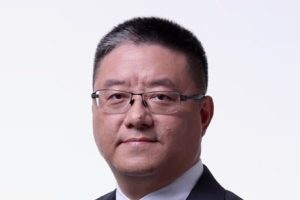

Dr Yingjia Zhang and Simon Hua of leading China-based CRO Biometas delve into the company’s rapid expansion in the preclinical space, strategic growth plans, and its positioning in the global CRO market. Focused on both organic growth and potential acquisitions, Biometas is leveraging a strong client base in the US and is poised to capitalize on emerging trends in China’s biotech industry.
What brought you together to co-found Biometas, and can you share more about your backgrounds and how your paths crossed?
Dr. Yingjia Zhang: Our partnership represents a powerful combination of complementary expertise. While Simon brings a deep understanding of finance, my background is rooted in biopharmaceutical and CRO industry. I hold a medical degree from Peking University Health Science Center (PUHSC) and later earned a PhD in biomedical sciences from University of California, Riverside. My career journey took me through two postdoctoral positions: first at PfizerGlobal R&D La Jolla Laboratories, San Diego, in the Department of Virology, followed by the Scripps Research Institute (TSRI) in the Department of Immunology. I then joined CytRx Corporation in San Diego, working on small molecule oncology drug discovery. These experiences in both pharma and biotech solidified my understanding of the biomedical field. Following the closure of CytRx’s R&D operations during the 2008 financial crisis, I decided to return to China. In 2009, I joined Shanghai ChemPartner, one of China’s top Contract Research Organization (CROs), where I spent 13 years. I started as the leader of the cancer cell biology team and gradually took on more responsibilities, ultimately overseeing the biology and pharmacology department with a team of 260 biologists. In 2022, I left ChemPartner to co-found Biometas with Simon, bringing my experience to a new venture.
Simon Hua: Originally from Hangzhou, I attended the Hangzhou Foreign Languages School, a prestigious institution, and later studied at Shanghai International Studies University (SISU), where I majored in literature. SISU was highly regarded for its emphasis on English, making it a top choice for ambitious students. After graduation, I turned my focus to finance, earning an MBA from The International University of Japan (IUJ), with a specialization in finance. I also took part in an exchange program at the University of Virginia’s Darden School of Business, known for its rigorous case study method. My professional career began at Bank of America in Hong Kong, where I worked in investment banking, focusing on IPO transactions and corporate advisory across the Greater China region. Over the years, I facilitated the public listings of over 300 companies and advised corporate leaders on strategic matters. In 2008, I co-founded Viva Biotech in Shanghai, a preclinical CRO specializing in structure-based drug discovery. As the CFO, I spearheaded the company’s successful initial public offering (IPO) on the Hong Kong Stock Exchange in 2019. Subsequently, I transitioned to the role of CEO at ChemPartner, another leading preclinical CRO, where I met Dr. Zhang, and realized our shared vision for Biometas.
Simon, since you do not have a life sciences background, what drove you to invest your time and money in this industry? What opportunities do you see in the CRO space in China from a financial perspective?
Simon Hua: While the biopharmaceutical sector is often seen as a slow and capital-intensive industry, with long timelines before generating significant revenue or earnings, I found that within the broader biotech landscape, there’s a specific subsector—CROs—that stands apart. This subsector offers a much more reliable cash flow model, which was a key factor in my decision to focus on it. Unlike traditional biotech, where the financial outlook can be uncertain and dependent on multiple rounds of funding, CROs generate steady, upfront revenue through research contracts. Clients from big pharma and biotech companies pay for our services, ensuring a more predictable and sustainable cash flow.
What truly drew me to the preclinical CRO space, in particular, was the unique position it offers to be directly involved in early-stage drug discovery. In this role, we collaborate with pharmaceutical companies and biotech firms, providing essential research services that help shape the development of their drug candidates. This gives us firsthand data on the viability of these products, which is both scientifically engaging and financially advantageous. The combination of steady cash flow and the opportunity to have a direct impact on cutting-edge drug development made the CRO sector a more compelling and sustainable investment compared to the broader biotech field.
With that in mind, what are the key success factors for a preclinical CRO and how do these criteria help to shape Biometas operations?
Simon Hua: In my experience with companies like Viva Biotech and ChemPartner, success in the preclinical CRO sector is underpinned by three main pillars: quality, efficiency, and cost—each of which plays a critical role in delivering optimal results.
First and foremost, the quality of deliverables is non-negotiable. This extends beyond just the scientific integrity of the research itself; it encompasses the overall quality of services provided. At Biometas, we recognize that high-quality output stems from the caliber of talent we bring on board. Our team’s expertise directly influences the accuracy and reliability of the research data we provide, which is fundamental for the success of early-stage drug discovery. This focus on excellence ensures that our clients receive the highest standard of work, which is crucial for their progress.
Efficiency is the second key factor. In this fast-paced industry, sponsors operate under tight deadlines, and the ability to meet these timelines without compromising on the quality of work is essential. For Biometas, we place great emphasis on streamlining workflows and eliminating bottlenecks. This allows us to offer quicker turnaround times, ensuring that sponsors’ needs are met promptly while maintaining scientific rigor.
Organizational structure also plays a significant role in our success. A company’s success is ultimately driven by its people, and at Biometas, we focus heavily on motivating and incentivizing our team to perform at their best. We’ve implemented a comprehensive Employee Stock Ownership Plan (ESOP), which aligns the interests of key employees with the long-term growth of the company. By giving them a sense of ownership, we not only attract top-tier talent but also ensure that everyone is committed to the company’s overarching goals.
Furthermore, communication and collaboration among the leadership team are fundamental to maintaining a healthy organizational culture. Regular discussions with the top management are integral to aligning on priorities and ensuring that strategic decisions are made with input from all stakeholders. This approach fosters a sense of collective responsibility, which helps the company remain adaptable and responsive to both challenges and opportunities.
In sum, the success of a preclinical CRO like Biometas hinges on maintaining a balance between the quality of deliverables, operational efficiency, and a strong organizational structure. By focusing on these aspects and creating an environment where talented individuals are both supported and incentivized, we can consistently meet the demands of our clients and position ourselves as leaders in the industry.
What are the current trends in preclinical research in drug development and how does Biometas help in streamlining the drug discovery process?
Dr. Yingjia Zhang: At Biometas, we specialize in comprehensive preclinical drug discovery services, supporting clients from the very early stages of their drug discovery programs. Our offerings include target validation, protein production, antibody production, in vitro assays, cell-based assays, immunology, in vivo pharmacology, DMPK and exploratory toxicology assessments. Importantly, we work with both small molecules and biologics, such as therapeutic antibodies, Antibody-Drug Conjugates (ADCs), as well as more innovative approaches like cell and gene therapies, siRNA and mRNA therapeutics. Across all these modalities, the focus of our work is on validating the biological activity of these molecules—an essential step in determining their potential efficacy.
Typically, clients engage with us at various stages of their drug discovery programs. For instance, they may seek our expertise in studying target biology or validating potential targets, testing hit molecules in in vitro and cell-based assays to establish structure-activity relationships (SAR), evaluating lead molecules in relevant animal disease models to assess in vivo efficacy or seeking PKPD correlation before progressing to human trials. Our primary responsibility is to generate high-quality data that assists clients in making critical go/no-go decisions regarding potential drug targets or discovery molecules.
Although our role primarily involves study execution, we also provide scientific input as added value to clients, particularly those in the startup phase who may lack extensive in-house expertise in certain areas. Leveraging our years of experience in the field, we can offer data interpretation and engage in scientific discussions with clients, assisting them in identifying the most effective strategies for their programs. However, when working with larger pharmaceutical companies that possess well-established research infrastructure and expertise, our focus is generally more towards delivering precise data for pharma clients to make the informed strategic decisions.
What makes Shanghai an ideal location for preclinical studies, and how has Biometas gained trust in this competitive environment?
Simon Hua: Shanghai offers a compelling combination of factors that make it an ideal location for preclinical studies. The city is home to a highly skilled and diverse talent pool, benefiting from both local expertise and the influx of overseas returnees. Over the past decade, many professionals trained in the US and other countries have returned to Shanghai, bringing valuable knowledge and experience. In addition, Shanghai’s prestigious universities consistently produce many highly qualified graduates, ensuring a steady flow of talent to meet the demands of the rapidly growing biotech sector.
Another significant advantage is Shanghai’s status as an international hub with a highly developed pharmaceutical ecosystem. The city’s open and competitive environment fosters seamless collaboration between local and foreign businesses, contributing to the growth of the CRO industry. Cost efficiency also plays a crucial role—while equipment costs in Shanghai may be higher than in the US, the overall operational costs, particularly salaries for skilled scientists, are significantly lower. For instance, the salary for a scientist in Shanghai is only roughly 25-30% of the US cost. This substantial difference in salary, coupled with high-quality talent, makes Shanghai an attractive location for global CROs.
Equally important is the city’s commitment to intellectual property (IP) protection. While concerns about IP theft may have existed in the past, Shanghai has worked diligently to address these issues. Today, the city is recognized for its robust protection of international IP, which is vital for fostering trust among global clients. Without such protection, CROs would not be able to sustain long-term relationships with biotech companies, particularly during the early stages of drug discovery. Over the last 25 years, Shanghai has built a reputation for respecting and safeguarding IP, allowing companies like Biometas to thrive.
Although Biometas is a relatively young company, founded just two years ago, we have already established ourselves as a trusted partner for over 200 clients, including four of the top 10 global pharmaceutical companies. While these clients engage with us through their US teams rather than their Chinese counterparts, our growing success is a clear indication of the confidence international clients place in us. In fact, 80% of our revenue comes from US-based clients, demonstrating the widespread trust in Biometas and its ability to deliver high-quality preclinical services.
Yingjia, what trends do you see in preclinical studies for oncology, and how are emerging modalities shaping the field?
Dr. Yingjia Zhang: The pharmaceutical landscape has undergone significant transformations over the past two decades. Twenty years ago, the industry was predominantly focused on small molecule therapeutics, which held a dominant position in the market. However, a shift began around ten years ago with the rise of biologics, particularly in the immuno-oncology (IO) space, fueled by the success of checkpoint inhibitors such as PD-1. This marked the beginning of a new era, where larger, biologic molecules began to attract considerable attention.
That initial enthusiasm for biologics has since cooled, as the search for additional effective IO targets has yielded limited success. While PD-1 remains a major breakthrough, many other checkpoint inhibitors and IO targets have not matched its effectiveness. As a result, there has been a shift towards a more integrated approach, combining small molecules with monoclonal antibodies.
In recent years, however, new therapeutic modalities have begun to emerge, further diversifying the landscape. One notable example is the rise of antibody-drug conjugates (ADCs), driven in part by the success of Daiichi Sankyo’s Enhertu. ADCs, alongside other innovative approaches like targeted protein degradation (PROTAC, molecular glue), mRNA therapeutics, small RNA agents, and cell and gene therapies, have sparked renewed excitement in preclinical research.
At Biometas, we’ve worked on more than 800 preclinical projects to date. Of these, approximately 60% are small molecule-based, while the remaining 40% span a variety of modalities, including antibodies, ADCs, and newer therapeutic classes. This distribution reflects broader trends in the industry, where small molecules continue to represent the majority of drug approvals, followed by antibodies and ADCs. What distinguishes Biometas is our ability to work across this broad spectrum of modalities, providing versatile solutions to meet the evolving needs of our clients.
How do you perceive the role of AI in drug discovery? Is there a trend to commoditize preclinical research?
Dr. Yingjia Zhang The potential of AI in drug discovery is undeniable, especially in areas such as target identification, literature reviews, and early-stage drug design through AI-driven techniques like AIDD (AI-driven Drug Design). AI also holds promise in protein design, antibody discovery, and predicting essential pharmacokinetic properties such as ADME (absorption, distribution, metabolism, and excretion), alongside safety and toxicity assessments. While the theory behind AI is compelling, the complexity of biological systems means AI is unlikely to completely replace traditional laboratory work, at least in the immediate future. Rather, it should be viewed as an important complementary tool, aiding scientists in making informed decisions, rather than replacing the need for wet lab hands-on expertise.
At Biometas, we integrate global collaboration to optimize the drug discovery process. Innovative ideas often arise from clinical needs identified in the US, but the discovery and development of those ideas—particularly in the preclinical phase—tend to be more efficiently executed in China. By partnering with local preclinical CROs like us, preclinical timelines can be reduced by at least 30%, enhancing the overall speed of drug development. While aspects of drug discovery such as chemical synthesis have become commoditized, areas like biology and pharmacology still require highly specialized and tailored approaches.
What are Biometas’ growth ambitions and the company’s current standing in terms of funding and expansion?
Simon Hua: Founded in 2022, Biometas has been focused on accelerating both its growth and its international presence. Initially based in Shanghai, we have already identified strategic partners across the US, with targeted efforts on both the East and West Coasts. Our growth trajectory aims to surpass the typical pace of Chinese CROs, which historically grow at an annual rate of 20-25%. In contrast, Biometas has achieved a remarkable 100% growth within just two years, reaching profitability much sooner than expected.
As part of our growth strategy, we secured $20 million in funding in 2022, with 40% of our shares allocated for the Employee Stock Ownership Plan (ESOP). This approach has allowed us to align the management team with the company’s long-term vision, and we have already distributed approximately a quarter of these shares, with the remaining to attract additional talent. The focus is on both organic growth and exploring mergers and acquisitions to further accelerate our expansion.
Our initial capital raise from Huagai Capital and PharmaResources (Shanghai) Co., Ltd. amounted to approximately 45 million RMB (about $7 million USD), as part of our pre-A funding round. Looking ahead, we are preparing for our A round, to further fuel our rapid growth.
In terms of leadership, Dr. Zhang handles the operational and scientific sides of the business, while I focus on strategic development and fundraising. Our complementary skill sets have proven invaluable in steering Biometas toward its ambitious goals. This dual approach has positioned us for rapid growth, and we are confident that we will continue to build on this momentum.
How does Biometas cultivate and sustain its company culture amid rapid growth and the demands of scaling?
Simon Hua: At Biometas, building and sustaining a strong company culture is a central focus, particularly as we navigate the challenges of rapid expansion and fundraising. In the CRO industry, which is inherently human-intensive, most employees are highly educated, holding advanced degrees such as doctorates and masters. This makes it essential to foster an environment that aligns with their professional values while ensuring their motivation and engagement.
Our culture is built around a straightforward yet powerful principle: delivering exceptional service that leaves clients satisfied and confident in our work. For our scientific teams, this means focusing on the highest standards of client service. For our back-office teams, such as those in finance, IT, and logistics, their role is to support the scientists by streamlining operations, enhancing efficiency, and ensuring the overall organization functions seamlessly. This dual focus keeps all employees aligned with a common purpose.
A significant advantage for us has been the foundation of strong relationships among many of our team members, who worked together for over a decade at other CROs before joining Biometas. This pre-existing camaraderie has been instrumental in creating a cohesive work environment. To integrate new employees and strengthen bonds further, we regularly organize team-building activities, such as quarterly outings to share meals or participate in outdoor activities like hiking. These initiatives foster trust, collaboration, and a sense of belonging.
At the leadership level, we prioritize open communication and collective ownership. Our management team meets frequently, often over informal lunches, and holds monthly reviews to evaluate progress and refine strategic goals. Importantly, all senior management team members are also shareholders, which deepens their commitment and alignment with the company’s long-term vision. This shared ownership not only reinforces accountability but also ensures that everyone is invested in the collective success of Biometas.
In a broader picture how do you see the current challenges in China’s biotech sector, particularly with fundraising difficulties? And can this have an impact on short term growth?
Simon Hua: Fortunately, the majority of our revenue—about 80%—comes from the US, where the biotech environment remains much more favorable than in China. In fact, despite the typical pattern where large pharma contributes just a small portion of a CRO’s revenue, we’ve seen big pharma account for around 20% of our revenue, a significant increase from the usual 5%. This growth is driven primarily by large pharmaceutical companies in the US, while about 60% of our revenue comes from US-based biotech firms.
Although the domestic Chinese market faces challenges, we also see a transformation within the biotech landscape here. Historically, many Chinese biotechs were led by returnee scientists pursuing ‘me-too’ projects inspired by trends in Western markets. However, there is a growing shift towards more innovative, homegrown ideas driven by real clinical needs. Increasingly, Chinese biotechs are developing original solutions using existing technologies, signaling a maturation of the sector.
One particularly promising area is antibody-drug conjugates (ADCs), where Chinese companies have excelled. The relatively lower cost of preclinical research for ADCs allows these firms to progress quickly to the Investigational New Drug (IND) stage, bypassing much of the typical R&D hurdles. This efficiency has made China the global leader in ADC licensing deals, with 80% of the top ten deals in this category originating from China. This points to a rapidly growing Chinese biotech sector that is becoming an increasingly significant player in the global pharmaceutical industry.
How do you foresee Biometas evolving in 2025, especially considering both organic growth and external expansion? Any concerns about the US BioSecure Act?
Simon Hua: Looking ahead to 2025, our growth strategy revolves around a blend of both organic expansion and external opportunities. We have set an ambitious target for the year. While this is a demanding goal, we are confident in our ability to achieve it by leveraging our existing strengths and exploring new avenues for growth.
In the context of the Chinese market, we are also keenly aware of the global challenges that could affect our trajectory. A notable concern is the evolving US-China decoupling, particularly in relation to the BioSecure Act. This act, which is still under revision, could have significant implications for Chinese companies. Under its current version, Chinese companies on the list are granted an eight-year waiver, which reflects a recognition of the crucial role Chinese CROs play in accelerating the development of intellectual property. Without access to these services, US biotech companies may experience delays in reaching their R&D milestones, as Chinese CROs are known for their efficiency in moving pipelines forward quickly.
From our perspective, while the BioSecure Act may impact certain sectors, it’s unlikely to halt the collaboration between US companies and Chinese service providers entirely, particularly for smaller biotech firms that are not reliant on government funding. Additionally, Biometas is actively pursuing opportunities to expand its footprint in the US, either by establishing facilities there or through mergers and acquisitions.
What can Biometas offer to big pharma and biotech companies, and how can you support their needs moving forward?
Simon Hua: Although Biometas is a relatively new company, it is backed by a highly experienced team. With an average of more than 15 years of experience in the CRO sector, we have quickly built trust with top global pharmaceutical companies. This expertise instills confidence in our ability to provide exceptional service to both large pharmaceutical firms and biotech companies.
Our growth strategy involves both organic expansion and strategic acquisitions, enabling us to establish a truly global platform. This approach ensures that we can offer timely, efficient, and high-quality services to clients across the US, Europe, Japan, and other key markets.
At Biometas, we are committed to delivering the highest standards of service quality and operational efficiency, which are critical for helping our clients navigate an increasingly competitive landscape. Whether it’s for drug development or strategic partnerships, we are well-equipped to meet the evolving needs of our clients, no matter where they are based.