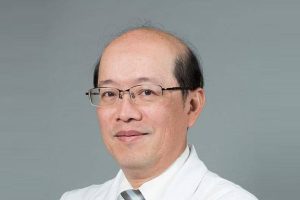
Dr John Chang, Chief Executive Officer of the Formosa Cancer Foundation and a distinguished medical oncologist at Chang Gung Memorial Hospital, provides a comprehensive strategic analysis of Taiwan’s oncology landscape. He delineates the evolution of precision medicine, the economic intricacies of national health reimbursement, and the critical role of patient advocacy in shaping public policy. Dr Chang argues for a synergistic approach involving government, industry, and civil society to achieve ambitious mortality reduction targets while addressing systemic inequities.
Could you please provide our international readership with an introduction to your professional background?
I am Dr John Chang, serving as a medical oncologist and currently holding the position of Chief Executive Officer at the Formosa Cancer Foundation. Concurrently, I maintain my clinical and administrative practice at Chang Gung Memorial Hospital, which stands as the largest private medical centre in Taiwan. Within that institution, I serve as the chief of the molecular tumour board. From March 1, 2026, I will serve as the deputy superintendent of Jen-Ai Hospital to improve the quality of cancer care in the hospital.
From your perspective, how has cancer care evolved in Taiwan, particularly regarding precision medicine and access to advanced therapies?
Cancer care in Taiwan has advanced rapidly, particularly in precision medicine, targeted therapies, and immunotherapy, and is now aligned with global standards. Lung cancer illustrates this well. Taiwan played a leading role in the development of EGFR targeted therapies and was one of the key contributors to landmark international trials such as IPASS, which demonstrated the superiority of targeted therapy over chemotherapy and enabled the development of third-generation agents. Similar contributions have been made in hepatocellular carcinoma through major trials of tyrosine kinase inhibitors and immunotherapies.
In December 2004, we identified EGFR mutations as a significant feature of lung cancer in Asian never-smokers, establishing genetic testing as essential for treatment selection. Initially supported by industry, single-gene EGFR testing was later reimbursed by National Health Insurance in September 2019. From 1 May 2024, National Health Insurance began reimbursing NGS testing across 14 solid tumour categories and five haematological malignancies. This strategic investment is expected to benefit around 20,000 patients annually, with funding of approximately 300 million Taiwan dollars.
To safeguard quality, reimbursement is limited to approved laboratories under the Ministry of Health and Welfare framework, and hospitals must operate molecular tumour boards. In October 2024, reimbursement was also extended to third-generation targeted therapies for lung cancer, reducing costs by around NTD 1.15 million per patient per year and benefiting approximately 4,000 patients, with total annual drug expenditure reaching NTD 9.1 billion.
The impact on outcomes has been profound. Before 2000, stage IV lung cancer patients treated with chemotherapy survived six to eight months on average, often with significant toxicity and poor quality of life. Today, targeted therapies enable survival of three years or longer, with manageable side effects and minimal disruption to daily and professional life.
You were an early proponent of immunotherapy. How has the perception and reality of this treatment class shifted over the last decade?
I was among the few physicians in Taiwan focusing on immunotherapy for Asian melanoma as early as 2000, well before it entered mainstream oncology. When the first immune checkpoint inhibitor data emerged in 2011 – and later gained wider attention in 2014 – I argued that these therapies could dramatically extend survival, offering patients who might otherwise live less than a year the possibility of surviving three years or more. At the time, many colleagues felt this was overly optimistic. Clinical outcomes have since proven otherwise: immunotherapy has fundamentally reshaped cancer treatment.
These drugs were approved in Taiwan in 2015, but access was initially limited to those who could afford them, with annual costs reaching several million Taiwan dollars per patient. After sustained advocacy, discussions on reimbursement began in 2018. In April 2019, the government introduced reimbursement for three PD-1/PD-L1 therapies across multiple cancers, including melanoma, non-small cell lung cancer, urothelial carcinoma, Hodgkin’s lymphoma, head and neck squamous cell carcinoma, gastric cancer, renal cell carcinoma, and hepatocellular carcinoma. However, the programme was constrained by an annual budget of NTD 800 million, covering fewer than 800 patients.
As a result, many patients between 2018 and 2020 were left without access. This led the Formosa Cancer Foundation to launch a structured response – assessing needs in 2019, developing research and operational frameworks in 2020–2021, and publishing a policy white paper in 2022. These efforts culminated in a five-billion-dollar allocation approved in 2024, with 2025 marking the launch of the Taiwan Multi-Source Cancer Drug Fund (TMCDF).
Most recently, in June 2025, reimbursement was further expanded to include metastatic lung cancer regardless of PD-L1 status, high-risk early-stage triple-negative breast cancer, and MSI-high metastatic colorectal cancer. This represents a major step in aligning Taiwan’s oncology care with international standards.
When you survey the current state of precision oncology – from the laboratory to the clinic – where do you identify the most significant gaps? Is the friction primarily in reimbursement, clinical adoption, or patient literacy?
The primary bottleneck is unequivocally reimbursement and financial assistance. While we have made strides, the secondary gap lies in comprehensive access to genetic testing. Currently, Next-Generation Sequencing (NGS) is only partially reimbursed. The coverage is not uniform across all tumour types; some receive full reimbursement, while others are limited to specific gene panels.
To illustrate, for melanoma, the current policy covers only BRAF gene testing rather than a complete NGS panel. This represents a significant disconnect in our precision medicine strategy. The imperative is clear: we require whole-panel NGS testing and distinct reimbursement channels for the corresponding targeted therapies once actionable mutations are identified. Without the financial mechanism to access the drug, the diagnostic insight remains academically interesting but clinically impotent for the patient.
How would you characterise the current epidemiological burden of cancer in Taiwan?
The epidemiological picture is sobering. In 2023, Taiwan’s cancer incidence reached 331.3 per 100,000 people, corresponding to approximately 138,000 new diagnoses. Overall incidence continues to rise, with particularly notable increases among women, driven mainly by breast and lung cancers. The growth in breast cancer is likely linked to Westernised dietary patterns and increased life expectancy.
At the same time, we are seeing encouraging declines in liver, colorectal, and cervical cancers, reflecting the impact of vaccination programmes, widespread screening, and preventive interventions such as polypectomy. Oral cancer rates have remained stable, while stomach cancer has shown a modest decrease, which we expect to accelerate as screening coverage expands.
Screening capacity has increased substantially. Around 4.8 million people were screened annually in 2023 and 2024. Following service expansion in 2025, cumulative screening numbers had surpassed 5.87 million by mid-December – an increase of more than 25 percent year on year. This enabled the detection of approximately 60,000 precancerous lesions and 12,000 cancer cases, benefiting more than 70,000 individuals through early identification.
Currently, Taiwan’s national screening programmes cover six cancers: cervical, breast, colorectal, oral, lung, and gastric cancer, the latter still in a pilot phase. The Health Promotion Administration places strong emphasis on an end-to-end approach, ensuring that screening leads to diagnosis, staging, treatment, and preventive interventions for precancerous disease.
Despite these advances, cancer remains Taiwan’s leading cause of death, with a standardised mortality rate of 113.3 per 100,000 people. Lung, liver, and colorectal cancers remain the top causes. Encouragingly, mortality from all three has been declining for nearly 20 years, driven by smoking reduction, earlier detection, and therapeutic innovation.
Could you elaborate on the financial architecture of cancer care and the systemic burdens involved?
The economic data reveals a structural tension. In 2023, with 138,000 diagnoses and 54,000 deaths, cancer consumed a significant portion of healthcare resources. Of the National Health Insurance budget, which totals NTD 900 billion, 150 billion was allocated to cancer-related expenses, with 60 billion specifically for cancer drugs.
The critical issue is the growth disparity. While the National Health Insurance budget expands at an annual rate of 4.5 percent, the cost of cancer drugs grew by 8.23 percent between 2017 and 2024. This creates a perpetual financial shortage. Furthermore, Taiwan lacks a comprehensive national care plan analogous to Australia’s Survivorship Care Plan or patient-based NCCN guidelines.
There is also a democratic deficit in our healthcare governance. We currently lack legislation that mandates patient participation in public policy or provides statutory seats on the Pharmaceutical Benefits and Reimbursement Scheme Joint Committee. Consequently, patient advocacy groups are not fully integrated into key decision-making processes regarding drug development and reimbursement. Additionally, we face systemic unmet needs regarding healthcare professionals, including shortages, compensation structures, and the capacity to rapidly implement new technologies.
What is the strategic role of the Formosa Cancer Foundation in partnerships, particularly with the pharmaceutical industry?
Now in its 29th year, the Formosa Cancer Foundation has consistently upheld the core tenet that prevention supersedes treatment and that care must extend beyond the clinical setting. We transform professional expertise into a social force capable of influencing policy.
Regarding public health policy on nutrition, we launched the “five fruits and vegetables a day” campaign in 1999, which successfully evolved into a national-level healthy nutrition policy. In 2004, we advanced this with the “Rainbow 579 fruits and vegetables” concept, which has been incorporated into national dietary guidelines. These initiatives have fundamentally altered dietary habits and established a prevention-based public health mind-set.
In the realm of vaccination, we have advocated for a dual protection strategy against cervical cancer – combining HPV vaccination with pap smears – since 2007. Our efforts culminated in 2018 with government-funded HPV vaccination for junior high school girls, upgraded to the
nine-valent vaccine in 2022. By 2025, this programme was expanded nationwide to cover all male and female junior high school students. Similarly, our advocacy for low-dose CT screening for lung cancer began in 2011 and secured public funding in 2022.
Furthermore, we are deeply committed to fostering psychological resilience. In January 2026, we relaunched the nation’s first psychological counselling centre for cancer patients, introducing a “5+5” care model. This model provides five free psychological counselling sessions and simultaneously assesses five practical needs: nutrition, finances, family care, physical and mental recovery, and extended psychological support, truly realizing a patient-centred, holistic cancer support system.
How does the Foundation structure its collaboration with pharmaceutical companies?
Our collaboration with the pharmaceutical industry is multifaceted. Companies often support the Foundation’s “Survivor Comprehensive Service Program “which delivers professional and tailored guidance to facilitate optimal recovery. Some companies particularly focused on supporting educational brochures or websites, disease awareness campaigns or sponsoring annual forums/ international conferences.
In recent years, while the government reimburses EGFR gene testing for late-stage lung cancer, it does not yet cover early-stage patients. Since knowing the mutation status is critical for these patients to access targeted therapies, we launched a subsidy program for lung cancer gene testing to ease the financial burden on underprivileged patients. Pharmaceutical companies joined in supporting this project to alleviate the financial stress on patients. This model extends to BRCA and mismatch repair gene testing. bringing life-changing benefits to a wider range of patients.
In the current collaboration, we aspire to a higher level of strategic partnership. We wish to engage in dialogue regarding drug development itself – encouraging companies to prioritize the development of agents that are not only effective but possess lower toxicity profiles. This shift towards “patient-centric design” is a key goal for our future engagement.
Do you see these opportunities primarily with international conglomerates, or is there a role for domestic entities?
Historically, our primary partners have been global pharmaceutical companies. However, we are increasingly seeing engagement from local enterprises, particularly in the biotech sector focused on genetic testing. Developing novel therapeutics requires massive capital expenditure, which is often prohibitive for local firms. However, diagnostic development is more accessible. We welcome collaboration with local biotech companies to enhance our diagnostic capabilities, as they can work with us to improve access even if they cannot shoulder the burden of drug discovery.
President Lai’s cancer plan sets an ambitious target to reduce cancer mortality by one-third by 2030. Is this achievable, and what are the prerequisites for success?
The Ministry of Health and Welfare is actively driving three pillars: improving early screening, focusing on precision medicine, and establishing the NTD 10-billion cancer drug fund. The objective is a 30 percent reduction in mortality by 2030.
Early detection and treatment remain the most cost-effective strategies. However, to guarantee success, we require legislative amendments to ensure sustainable funding. The Cancer Prevention and Control Act must be enforced to ensure sufficient manpower and funds. Crucially, the TMCDF must be codified into law by the Legislative Yuan to transform it from a provisional fund into a permanent institution.
We also need to integrate the National Health Insurance database to leverage its value while protecting privacy and establish incentives to foster retention among healthcare professionals. The most significant recent progress has been the acceleration of reimbursement; from January to October 2025, the scope expanded to 36 drugs totalling NTD 12.2 billion. Yet, the 5 percent budget growth still trails the 8.23 percent growth in drug costs.
I am optimistic. If we can reimburse drugs that demonstrate a hazard ratio of less than 0.7 in clinical trials, we can mathematically achieve a 30 percent improvement. As a colleague at Chang Gung Memorial Hospital famously remarked to the NHI head: “Just give me the money, and I will replicate what clinical trials achieve.” Furthermore, by increasing the screening budget from two billion to six billion Taiwan dollars – a 200 percent increase – we are facilitating a “stage-shift,” catching cancers earlier when they are curable. It is achievable, but it requires sustained investment and the mobilisation of the population.
What persistent inequalities exist in access to cancer care?
While treatment options have proliferated, the complexity of choice has created a new barrier. From a patient’s perspective, navigating these options is daunting, affecting equitable access. Furthermore, “financial toxicity” remains a hidden disparity. Even with insurance, costs associated with companion diagnostics, transportation, and caregiver time place a heavy burden on families, particularly those in rural areas. Access becomes a function of individual financial capability, exacerbating inequality.
To mitigate this, the Formosa Cancer Foundation sponsors transportation and lodging for patients in remote mountain areas. Secondly, reimbursement policies often restrict innovative therapies to late-stage disease, denying early-stage patients access when the therapeutic potential is highest. This creates an ethical dilemma for physicians.
Thirdly, the institutional exclusion of patient groups from policy formulation results in guidelines that prioritise financial metrics over patient needs. Multidisciplinary services like psychological support are rarely designed with patient input. We must move towards a system of information transparency and genuine interprofessional integration to provide real value.
Looking to the horizon, what innovations excite you, and what are the future goals for the Formosa Cancer Foundation?
Prevention and early detection remain the ultimate innovations. We need to deploy mobile CT scan units into rural communities to achieve genuine early detection, rather than waiting for patients to present at medical centres with advanced disease.
I am particularly focused on Minimal Residual Disease (MRD) detection. Haematology has established protocols for this, and I propose we invest heavily in MRD detection via ctDNA for solid tumours. This would allow us to tailor treatment duration and intensity scientifically. However, this requires careful monitoring to avoid over-treatment and anxiety in the absence of clear clinical pathways.
I also hold a personal interest in the gut microbiota and faecal microbiota transplantation (FMT). Emerging data suggests FMT can positively influence immunotherapy responses. However, standardisation and safety protocols must be rigorous to prevent premature commercialisation.
Regarding Artificial Intelligence, its value lies in improving outcomes, not merely demonstrating capability. AI is worthy of large-scale implementation in imaging and pathology only if it demonstrably reduces misdiagnosis and improves survival. We must be cautious; there is a risk of patients using AI for self-diagnosis without medical context. Similarly, while immune profiling and biomarkers are promising for stratifying patients, any innovation that adds economic pressure without improving clinical outcomes will ultimately harm the system.
We must advocate for a measured adoption of technology. Medical research demands long-term verification. The rush to adopt new tools must never outpace the evidence base. Our goal is to balance innovation with safety, ensuring that every advancement translates into a meaningful benefit for the patient.