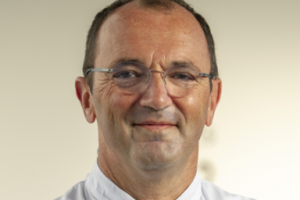
Professor Jean-Yves Blay stands as a distinguished figure in contemporary oncology, serving simultaneously as a practising medical oncologist, cancer researcher, and institutional leader. Currently director general of a comprehensive cancer centre and president of the French Federation of Comprehensive Cancer Centres, he has also held pivotal roles, including Director of Public Policy for the European Society of Medical Oncology and network director of EURACAN, the European reference network for rare adult solid cancers. His multifaceted career exemplifies the modern oncologist's imperative to bridge clinical excellence, scientific innovation, and strategic healthcare policy.
Your professional portfolio encompasses diverse leadership roles across clinical care, research, and policy development. For our international readership, could you articulate your primary focus as an oncologist and the strategic rationale behind this multidisciplinary approach?
I am fundamentally a medical oncologist and researcher engaged in patient treatment and research within a comprehensive cancer research institute. Beyond my clinical responsibilities, I serve as general director of our cancer centre and hold the presidency of the French Federation of Comprehensive Cancer Centres. Additionally, I have served as Director of Public Policy for the European Society of Medical Oncology and continue as network director of EURACAN, the European reference network addressing rare adult solid cancers.
These roles represent a synergistic ecosystem rather than disparate functions. My work encompasses direct patient care, drug development research, and the management of institutional networks—all unified by the objective of enhancing care quality and treatment accessibility for patients with cancer, particularly rare malignancies. The integration of these responsibilities creates operational efficiencies where each hour of work contributes simultaneously to multiple strategic objectives.
Your specialisation focuses on rare solid cancers, particularly sarcomas. What strategic considerations led to this specialisation, and what fundamental challenges do sarcoma patients face today?
The selection of rare cancers as my primary focus emerged from a long-term strategic assessment of oncological evolution. I recognised early that cancer types with well-understood molecular biology would become the foundation for transformative therapeutic advances. Sarcomas represented one of the first disease categories where a comprehensive biological understanding enabled the identification of driving forces and the development of targeted treatments.
This strategic focus has proven prescient. Sarcomas now serve as an exemplary model for oncology in 2025, embodying the fundamental challenges of precision medicine. While we historically conceptualised diseases as monolithic entities—”lung cancer,” for instance—we now understand these represent multiple distinct malignancies requiring individualised therapeutic approaches.
The broader implications are significant: rare cancers collectively represent approximately 23% of all malignancies, yet account for more than 30% of cancer-related mortality. This disparity stems from systemic challenges, including imprecise diagnosis, complex patient pathways, limited treatment options, and restricted research investment.
Paediatric oncology presents particularly complex challenges within this framework. While paediatric oncologists achieve the highest cure rates across all oncological disciplines—approximately 85% of young cancer patients are now cured—significant complications remain. Paediatric cancers are inherently rare, creating a paradigmatic model of rarity that compounds research limitations. Treatment protocols often rely on off-label applications of adult therapies, and patient relapses present particularly devastating outcomes, given the vulnerable population.
The strategic imperative is clear: connecting clinical practice, molecular medicine, and pharmaceutical innovation while establishing reference centres that deliver cost-effective, life-saving care.
What therapeutic approaches demonstrate the greatest promise in rare cancer management?
The transformative development in contemporary oncology has been the strategic deployment of precision medicine, particularly immunotherapy’s migration from end-stage treatment to early intervention. We have witnessed a systematic progression from terminal patient treatment to first-line advanced therapy, then to adjuvant treatment, and now to neo-adjuvant applications across multiple cancer types.
Melanoma and non-small cell lung cancer exemplify how early immunotherapy application demonstrates substantially superior efficacy compared to delayed intervention. This paradigm shift represents the most significant recent advance: the systematic extension of immunotherapy across diverse disease types, though universal application remains elusive.
The immunotherapy landscape encompasses multiple modalities beyond anti-immune checkpoints, including bispecific antibodies and cellular therapies. However, antibody-drug conjugates represent an unexpected breakthrough that has emerged as a genuine game-changer. These sophisticated constructs deliver cytotoxic agents directly to tumour cells through targeted recognition, eliminating the need for complex molecular biology characterisation. This approach requires only expression analysis rather than comprehensive genomic sequencing, representing a more accessible pathway to personalised treatment across broader disease categories.
For our international audience unfamiliar with the French healthcare landscape, could you characterise the patient journey for cancer diagnosis, prevention, and treatment, particularly the role of reference centres?
The French healthcare system operates on several distinctive principles that merit international attention. Universal social security coverage ensures that all patients receive comprehensive cancer treatment within the healthcare framework upon diagnosis. However, like many Western nations, we face significant workforce challenges—the WHO estimates a global shortage of approximately 10 million physicians, and France is not exempt from this crisis.
Healthcare accessibility has become increasingly challenging over the past decade, compounded by generational shifts in medical practice expectations. Contemporary physicians prioritise work-life balance differently than previous generations, seeking sustainable career models rather than the traditional 80-hour work weeks that characterised earlier medical practice.
The patient care pathway typically begins with local treatment provision, with complex cases referred to reference hospitals or tertiary care centres such as our comprehensive cancer centre. The French National Cancer Institute, established two decades ago, strategically identified specialisation opportunities to enhance overall care quality through centralised management of complex diseases—rare cancers, rectal cancer, ovarian cancer, and others requiring concentrated expertise.
International benchmarks suggest breast cancer facilities should treat a minimum of 150 patients annually to maintain optimal outcomes. While France continues progressing toward this standard, the principle of volume-outcome relationships drives our strategic development.
Regarding innovation access, France employs health technology assessment processes that create temporal delays compared to the immediate post-FDA approval availability in the United States. However, our early access programmes enable qualified patients to receive promising treatments before full market authorisation, often providing earlier access than neighbouring countries. This creates a balanced approach between rigorous evaluation and compassionate access.
As we approach the midpoint of France’s ten‑year cancer strategy (2021–2030), how do you assess progress, and what policy mechanisms require attention over the next five years?
The decade strategy, notably termed a “strategy” rather than a “plan” to emphasise long-term commitment, has focused systematically on primary, secondary, and tertiary prevention. Our investment in these areas has generated substantial progress in historically challenging domains for France.
Primary prevention initiatives addressing tobacco use and vaccination programmes are improving, though we maintain among the lowest HPV vaccination rates in Western countries. Secondary prevention faces implementation challenges despite cost-free access to colorectal, breast, and cervical screening programmes. Tertiary prevention—managing cured patients to prevent subsequent complications—represents our least developed area, though progress continues.
The temporal dynamics of healthcare policy impact assessment are crucial: the tangible benefits we observe in 2025 reflect decisions implemented in 2010. Similarly, current initiatives will demonstrate measurable impact over the next decade. This extended timeline creates inherent tension with political cycles, requiring sustained commitment across multiple administrations.
How does European Union membership and the Beating Cancer Plan influence French cancer care, particularly regarding potential cross-border clinical trials and expertise sharing?
Both the Mission Cancer and Beating Cancer Plan have generated substantial positive impact through well-defined, relevant objectives that transcend national decision-making limitations while providing research funding beyond national capacity. Most significantly, these initiatives facilitate collaborative working relationships across the European Union.
France’s 67 million population becomes substantially more powerful within the EU’s 450 million population framework. The Beating Cancer Plan provides essential resources for continued progress, though subtle adaptations are required—rare cancers, for instance, received limited explicit attention except for paediatric malignancies.
The European Reference Networks for rare diseases, launched seven to eight years ago, exemplify successful cross-border collaboration. Among 24 networks, four focus on cancer: paediatric, haematological, solid tumours, and cancer predisposition. Our rare adult solid cancer network encompasses 102 centres across 26 countries, enabling collaborative guidance development, joint research initiatives, coordinated patient pathways, and cross-border healthcare delivery.
Practical implementation includes treating international patients when specialised treatments are unavailable in their home countries. We regularly accommodate patients from other EU nations and, notably, from the UK, demonstrating the feasibility and increasing frequency of international cancer care collaboration.
Regarding precision oncology and France’s genomic medicine plan, how does whole genome sequencing integration compare internationally, and what represents realistic expectations for routine clinical implementation?
France’s genomic medicine programme parallels the UK’s approach, focusing on rare diseases and cancer with similar patient distribution patterns: approximately 80% rare disease patients and 20% cancer patients. Our progress in understanding genomic utility has been substantial.
Whole genome sequencing, whole exome sequencing, and RNA sequencing are undoubtedly essential for research purposes and large dataset accumulation. These databases, comparable to Genomics England and similar to our CAD initiative in France, will prove invaluable for advancing disease understanding.
However, current clinical utility remains limited to selected patient populations rather than universal application. The aspiration for comprehensive genome sequencing to solve individual patient problems represents premature expectations. While this vision will likely materialise, practical implementation requires years, possibly a decade, for routine care integration.
What we have successfully demonstrated is a feasible national-level organisation of genomic sequencing programmes that are producing valuable research data, though these serve selected patient populations rather than universal diagnostic tools.
How can clinical researchers and the pharmaceutical industry collaborate effectively while maintaining independence?
This represents a complex challenge requiring a systematic address of multiple relationship layers. Initially, we must strengthen connections between basic and clinical research within academic settings. This requires explicit policy enabling physicians to engage in laboratory research and, equally important, allowing researchers to understand clinical trial presentation to patients.
In our cancer centres and federation, we invest significantly in this integration, enabling interested oncologists to dedicate 50% of their time to research rather than exclusive patient care responsibilities. This represents crucial infrastructure investment.
Regarding pharmaceutical collaboration, the reality is unambiguous: except for academic research initiatives, new drug development originates within the pharmaceutical industry. Innovation and novel therapeutic delivery to patients necessitates pharmaceutical partnerships—this is simply a practical reality.
The challenge lies in maintaining appropriate collaborative boundaries. Anglo-Saxon countries often demonstrate more pragmatic approaches than French or southern European nations, which tend toward more rigid separation models. However, this creates paradoxical situations where healthcare systems require pharmaceutical partnerships while simultaneously excluding industry-collaborative experts from evaluation processes.
The French system exemplifies this contradiction with regulations preventing pharmaceutical industry-funded transportation exceeding 150 euros—insufficient for Paris accommodation, certainly inadequate for international conference attendance in Chicago during ASCO meetings. Meanwhile, public healthcare systems do not necessarily fund such travel expenses.
Effective solutions require distinguishing between conflicts of interest and links of interest—concepts often inappropriately conflated in French regulations. Expert physicians who cannot provide governmental consultation due to industry relationships raise questions about governmental decision-making processes when such expertise is systematically excluded.
For our international readership, what distinctive contributions can French scientists, researchers, physicians, and the French healthcare system make to global oncology advancement over the coming years?
France’s strategic advantage lies in the sophisticated integration between basic research and clinical application, combined with our network capacity for rapid patient recruitment into clinical studies. While we face regulatory delays in study activation, once operational, our recruitment velocity and data quality are exceptional.
We are systematically addressing bottleneck issues while maintaining our strength in connecting fundamental research with clinical application. The enthusiasm and passion of French researchers and physicians represent a crucial asset—across comprehensive cancer centres and university hospitals, professionals demonstrate remarkable dedication to oncological transformation.
Despite generational changes in work-life balance expectations, the fundamental enthusiasm for advancing oncological care remains robust. This passion, combined with our research integration capabilities and network efficiency, positions France strategically for continued leadership in international oncological advancement over the next five to ten years.
The convergence of basic research excellence, clinical trial efficiency, and systematic network collaboration creates a distinctive competitive advantage in the evolving global oncology landscape.