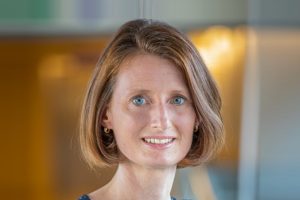
As metabolic liver disease rises rapidly up the global health agenda, Professor Cyrielle Caussy stands at the intersection of clinical care, translational research, and therapeutic innovation. A Professor of Nutrition at Lyon 1 University and endocrinologist-diabetologist at Hospices Civils de Lyon, Caussy is a leading voice in metabolic dysfunction-associated steatotic liver disease (MASLD) and MASH. From biomarker discovery and gut–liver axis research to multidisciplinary patient pathways and early access to breakthrough therapies, her work reflects Lyon’s ambition to position itself as a European reference centre for metabolic and liver diseases.
Could you introduce yourself and describe your current research focus?
I am a Professor of Nutrition at Lyon University Hospital, where I also hold an affiliation with Inserm, the National Research Institute, specifically within the CarMeN laboratory – which stands for Cardiovascular Metabolism and Nutrition. Additionally, I am part of the Lyon Hepatology Institute, a hospital-university institute designated by the French government and dedicated to the study of liver diseases.
My work centres on metabolic dysfunction-associated steatotic liver disease, or MASLD, which is highly prevalent globally. The scope of my research is quite broad. Clinically, we have established multidisciplinary care pathways in my department to manage all aspects of metabolic diseases, including type two diabetes, obesity, and dyslipidaemia. We screen patients at risk for severe cases of metabolic-associated steatotic liver disease and refer them to our hepatology colleagues when necessary.
On the research side, we focus on several key areas. First, we are discovering and validating biomarkers to better risk-stratify patients, particularly through non-invasive tests, as we ultimately aim at replacing liver biopsies routinely. Second, we collaborate extensively with the pharmaceutical industry on phase II and phase III randomised controlled trials for treatment development. We also conduct academic studies – for instance, examining the impact of bariatric surgery on our patients and investigating different dietary interventions, including time-restricted diets.
Our translational research, conducted in collaboration with Inserm and the CarMeN laboratory, focuses primarily on two aspects: the gut-liver axis and its relationship with the gut microbiome in developing steatosis and progression to liver inflammation and fibrosis; and at the molecular level, understanding the connections within liver cells between mitochondria and other organelles. This detailed work explores liver cell metabolism, calcium exchange, and cellular dynamics.
I collaborate particularly closely with Dr Jennifer Rieusset, who leads one of the teams at the CarMeN laboratory. We also work with colleagues dedicated to nutritional interventions, examining how dietary modifications or probiotics can alter the gut microbiome to improve overall health, particularly regarding insulin resistance, type two diabetes, dyslipidaemia, and obesity. These metabolic diseases are highly prevalent and contribute significantly to health burdens, primarily through cardiovascular disease, which remains one of the leading causes of mortality.
The past few years have seen considerable attention on metabolic health, particularly with GLP-1 drug approvals and greater awareness of gut health. How has this broader focus affected your work?
These are very exciting times for us because we are witnessing significant paradigm shifts. We now have effective treatments for obesity with GLP-1 receptor agonists. My department is one of the leading centres for obesity management in France. My head of department, Professor Disse, leads the national recommendations for anti-obesity medication use. We are also part of Force (French Obesity Research Centre of Excellence), the national network for obesity that oversees all research initiatives in this area nationally, and we are building national patient cohorts to better understand therapeutic responses to GLP-1 receptor agonists, explore personalised therapies, analyse patient trajectories, and monitor side effects.
What makes this particularly exciting is that the benefits extend far beyond obesity. We are seeing multiple clinical outcome improvements in cardiovascular disease, kidney disease, sleep apnoea, and other conditions such as MASH. This allows us to take a truly holistic approach to patient care. It is genuinely a great time to be able to deliver this innovation to our patients daily.
In 2023, the Lyon Institute of Hepatology was established, one of ten university hospital institutes nationally, with EUR 20 million in funding and the aim to become a global centre of excellence in liver diseases. Why was Lyon chosen for this initiative?
Lyon was chosen because we offer the ideal setting for a comprehensive liver centre that addresses all aspects of liver disease. Professor Fabien Zoulim, the head of the institute, is very active in viral hepatitis research. We have a major liver transplant centre, paediatric liver disease expertise, and strong capabilities in management of liver cancer and alcohol-related disorders – all pillars of our comprehensive approach.
We can also leverage large patient cohorts that we have built over the past 10 to 15 years, supported by technical platforms for metabolic assessment and transcriptomics that are being developed within the institute. We cover a broad range of techniques that enable translational research, and we are all well-connected with clinical departments. This integration allows us to rapidly envision and implement research findings into clinical care.
I believe we were selected because we have a very dynamic environment with excellent researchers covering all these aspects in a coordinated fashion. Lyon is also a very dynamic environment for biotechnology, and there are many opportunities for interaction and collaboration to develop new projects.
New treatments for liver disease, including a first approved treatment for MASH, are coming online. How are these influencing your work and ability to treat patients?
It is an amazing time. We are still awaiting access to the newly approved MASH treatments, particularly resmetirom, which will be the first available. There is an early access initiative in partnership with the pharmaceutical company that we are preparing for. This will be managed closely with our hepatologists.
We have built a multidisciplinary board that meets monthly to review all patient cases seen in the hospital, whether from the nutrition and endocrinology department or the hepatology department. We have already identified patients who would be eligible for early access, so we are eagerly awaiting these drugs. Semaglutide, which was approved for MASH by the FDA this summer, represents another significant development we are anticipating.
These treatments will fundamentally change how we care for our patients. However, we need to learn how to monitor therapeutic responses, manage potential side effects, and assess the long-term sustainability of these drug therapies. It is important to note that these drugs have only conditional approval and are still under development for this indication, with patients currently enrolled in ongoing trials. This presents an opportunity for us as academic researchers and scientists to provide data and better understand the mechanisms of action. For example, with resmetirom, we are building laboratory programmes to better understand the molecular mechanisms of action, particularly regarding mitochondria regulation. We are very much interested in leveraging these new developments to deepen our understanding and advance the field.
What role do you see for your centre in raising awareness, both with the public and with primary care physicians?
Prevention is absolutely key, and it is one of the strategic pillars of our university hospital. Regarding liver disease, there is much to do. Prevention involves modifying lifestyles – promoting healthy diets and physical activity – but also raising awareness about the disease itself, which remains asymptomatic for a long time and is largely unknown to the public. You are right to mention the stigmatisation of populations affected by metabolic disease, which has been a huge undertaking for us to address.
We are dedicated to providing educational content locally and nationally. I am also involved with the European Association for the Study of Liver Disease, advocating for public health interventions at the national level and within the EU and WHO. We work closely to develop prevention strategies focused on screening at-risk patients.
In our department, we have built bridges to provide assessment access to collaborators in the private sector who might not easily access transient elastography assessments, for example. This is embedded within educational programmes: patients come in for liver assessment and detailed metabolic evaluation and participate in group educational sessions where we explain the disease, how to monitor potential progression, and receive dietary counselling for healthy lifestyle modification. We are trying to make small, meaningful changes locally whilst reaching out to our community, and then working through national societies to continue raising awareness.
Many diabetologists are still not very comfortable dealing with MASH or steatosis, so education is critical. We currently have a programme funded by a national research grant where we are building a screening initiative within diabetes practices in the private sector around Lyon. We are helping them implement systematic assessment and screening for severe cases of MASH in patients with type two diabetes. We will equip them with the appropriate materials, including transient elastography devices for their private practices, and monitor how they implement this screening. Change in practice is challenging, and clinicians need support.
The goal within this research programme is to demonstrate that we are able to improve patient screening and identifying more cases that need treatment, particularly now that medications are becoming available. This is the overall objective: conduct pilot studies and then provide a practical toolkit that can be implemented nationally. This has been designed with 10 diabetologists in private practice, creating a model for how our toolkit could be implemented across the entire national territory.
Is Lyon serving as a test bed for concepts that will be expanded nationally, or are you adapting best practices from elsewhere?
We are using European guidelines as our foundation. Guidelines exist, but they are often not fully implemented. Our goal is to take these European-level guidelines and push them into real-world, daily practice to ensure they are properly implemented. We are also working with health economists on cost-effectiveness assessments of all these interventions, which is particularly important given that we operate within a public system where budget and willingness to pay are significant considerations. This is part of our responsibility, and it is also why we work in the academic system. I am a strong believer in public service, and we have a duty to deliver this to the population.
You mentioned diagnostic tools, biomarkers, imaging, and AI-based approaches. Where are you in terms of adoption, and are there budgetary constraints affecting what you can implement?
There is always a gap between what you would dream to have and practical reality. The major issue in this field is that many biomarkers that have been developed are not yet fully reimbursed or covered, so accessibility remains a significant challenge. To improve accessibility and reimbursement, we need to provide efficacy data and cost-effectiveness evidence.
We are working closely with many partners, including Echosens, and also with another imaging company E-Scopics, a start-up developing new imaging technologies to screen for liver elastography. These are imaging biomarkers, but there are also blood-based biomarkers. We are working with Roche Diagnostics to build a partnership focused on implementing new platforms with automatic score calculation – systems that would directly provide results without requiring a medical doctor to manually interpret and communicate back to the patient. The goal is to automate the pathway and process. This is a project that has been submitted for grant funding, and I hope it will be successful.
AI is something we are definitely exploring. It is still under development, but I believe it is the right direction. However, we need to trust these tools, and there are regulatory aspects to consider when dealing with medical data. Many things still need to be carefully considered before we can fully embrace AI, but it is certainly the future.
Looking ahead over the next few years, what gives you most cause for excitement in your work?
The new therapies are genuinely exciting. Sitting in front of a patient and delivering truly transformative change is remarkable. I really hope we will achieve reimbursement and accessibility for our patients.
From a research standpoint, there are so many opportunities, but translational research is at the heart of my motivation. Taking observations from our patients, translating them into laboratory work to better understand underlying mechanisms, and then bringing discoveries back from bench to bedside – this is truly fascinating. I really hope we will continue to drive this cutting-edge research and ultimately deliver it back to patients in the form of new biomarkers and therapeutics. That would be excellent.
Finally, for an international audience that may not be fully aware of Lyon’s capabilities, what would you say about Lyon as a centre for medical research and innovation?
I often find that people do not know much about Lyon, which is surprising given that it is a major city. In terms of quality of life, we have an excellent environment, which is very important for work-life balance. We live in a truly wonderful setting.
Lyon is also a very dynamic environment economically and in research. I always feel fortunate to be here because we have considerable innovation in medical sciences, particularly. There is strong support from our institutions – the University of Lyon and the university hospital – to continue being leaders in our field.
I would say to anyone wondering whether Lyon is the place to be: just come and visit us. We would be very happy to develop collaborations and arrange visits to the institute to show what we are doing. It is an exciting time for us with the launch of the Lyon Hepatology Institute, and I believe there are tremendous opportunities for partnership and innovation here.