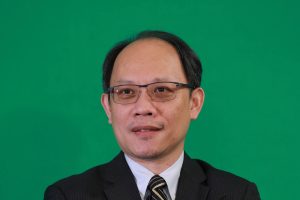
How leadership choices translate into lasting impact is the central theme of this conversation with Grant Hu. From reshaping Eisai Taiwan’s organisation to navigating access, innovation, and policy engagement, the interview examines how a focused affiliate can exert influence beyond its size. It also highlights Taiwan’s role in turning long-term scientific commitment into tangible outcomes for patients and the healthcare system.
How did your career evolve toward a general management role, and what experiences proved most formative along the way?
I built the majority of my career in Taiwan, complemented by targeted regional and global exposure rather than constant international rotation. I started in 1996 as a sales representative at Janssen and later joined AstraZeneca, where I spent more than a decade across sales, marketing, and business leadership roles. From early on, I made a conscious effort to rotate between marketing and field management. Strategic and brand responsibilities are important, but without deep people leadership in the field, it is difficult to develop into a broader leadership role. That is why I deliberately returned to sales management after marketing roles, leading teams across oncology and gastrointestinal diseases and gaining a complete view of the Taiwan market.
A particularly formative phase came when I led AstraZeneca Taiwan’s Speciality Care business, covering Oncology and CNS disorders. These hospital-focused portfolios required close, sophisticated engagement with specialists and carried significant strategic and financial responsibility. During that period, I was directly involved in the launch of EGFR-targeted therapies in NSCLC, including gefitinib (Iressa). This marked a fundamental shift toward precision medicine, where molecular profiling and genetic testing began to guide treatment decisions, including in the first-line setting. Supporting physicians through that transition, and helping embed genetic testing into routine clinical practice, was a defining experience that shaped both my leadership approach and my understanding of how innovation reaches patients.
Following further leadership roles in Primary Care and leading the integration of the diabetes portfolio after AstraZeneca acquired Bristol-Myers Squibb’s stake, I reached a natural point of reassessment. In Taiwan, general manager roles in MNCs are limited and often expatriate-led, so the next step was more likely regional or global. In 2014, amid strategic uncertainty following Pfizer’s attempted takeover of AstraZeneca, I moved to Merck KGaA. There, I focused first on rebuilding the oncology organisation in Merck Taiwan before taking on a regional Asia-Pacific leadership role and later working closely with global oncology franchise teams. That experience strengthened my ability to operate across very different healthcare systems, cultures, and levels of market maturity. When I returned to Taiwan toward the end of 2022, I was not actively pursuing a general manager role due to my mid-fifties years old age. Eisai offered a distinctive challenge, with a clear mandate for change, and at that stage of my career, the opportunity felt both meaningful and timely.
When you took over Eisai Taiwan, what priorities guided your approach to leadership and organisational change?
When I joined Eisai Taiwan in March 2023, the expectation from leadership was clear. Eisai has a long history and a strong, values-driven culture, but the organisation needed to evolve. One of the first visible steps was the new office project. Eisai Taiwan had operated from the same location for more than three decades, so modernising the working environment was important both symbolically and practically. The new office opened in 2024, but from the outset, it was clear that transformation could not stop at infrastructure.
Structurally, we moved from a compact organisation with overlapping responsibilities to a clearer functional model. Sales, marketing, and strategy are now aligned through defined business units supported by a Commercial Excellence function. We also established a dedicated compliance function and clearly separated Medical Affairs from Regulatory Affairs, recognising the distinct expertise required for scientific engagement and regulatory execution. Headcount has increased from just under one hundred to around one hundred and thirteen, driven by targeted investment in priority areas rather than growth for its own sake.
Culturally, the challenge has been to balance Eisai’s strong Japanese emphasis on respect, stability, and long-term commitment with the demands of a science-driven and performance-oriented business. Local teams often move faster than regional or global structures, which can create tension. My role has been to keep the organisation constructive and forward-looking, and to use local progress to positively influence the wider region. This year, regional leadership described Eisai Taiwan as a change engine, which reinforced that approach.
Externally, I have focused on increasing Eisai’s visibility and engagement within Taiwan’s healthcare ecosystem. Through my role as President of the International Research-Based Pharmaceutical Manufacturers Association (IRPMA), I work closely with government and industry stakeholders on access, regulation, pricing, and innovation. The objective is straightforward. To ensure Eisai contributes not only through its medicines, but also through leadership and dialogue that strengthen the system as a whole. Ultimately, my aim is to leave Eisai Taiwan stronger, more capable, and more respected than when I joined, with a foundation that supports sustainable success well beyond my own tenure.
How does Eisai Taiwan contribute to the group’s performance and strategic priorities across the EAGS (East Asia Global South) Region?
Taiwan continues to be a very strong and attractive market within EAGS and, in several respects, compares favourably even on a global scale. It is stable, well developed, and operationally efficient. From a pharmaceutical standpoint, the level of investment required to operate in Taiwan is relatively modest compared with the value the market can generate, which results in solid profitability against the cost base. For this reason, Eisai Taiwan has long been regarded internally as a high-performing affiliate, particularly in terms of execution discipline and operational efficiency.
Our strategic focus in Taiwan closely reflects Eisai’s global priorities. Neurology sits at the core of what we do and has been a long-term commitment for us, encompassing Alzheimer’s disease, Parkinson’s disease, Epilepsy, and selected products in Multiple Sclerosis. Alongside Neurology, Oncology has become an increasingly important pillar over the past decade. In Taiwan, our Oncology performance is currently driven primarily by hepatocellular carcinoma and breast cancer. While treatment paradigms continue to evolve rapidly, chemotherapy still plays a meaningful role in breast cancer care, and we remain focused on supporting clinicians across established standards of practice. Over time, we also intend to strengthen our presence in women-related cancers, recognising that portfolio development requires patience and sustained investment.
Across both therapeutic areas, our strategy is centred on addressing high unmet medical needs rather than pursuing scale for its own sake. This is particularly evident in Neurology, where Eisai has invested more than a few decades in Alzheimer’s disease research. The recent introduction of a disease-modifying therapy, ATT (Amyloid Target Therapy) for early Alzheimer’s, represents a meaningful step forward, as it targets the underlying biology of the disease rather than focusing solely on symptoms. In this context, Taiwan plays an important role in translating long-term scientific commitment into real-world impact through consistent execution and close engagement with the local healthcare community.
How did Eisai prepare the Taiwanese healthcare ecosystem for the introduction of lecanemab and the move toward disease-modifying treatment in Alzheimer’s disease?
Alzheimer’s disease has been a long-term focus for Eisai, so lecanemab (LEQEMBI) did not represent an entry into a new area, but rather the next step in a journey that began decades ago with donepezil (Aricept), which has been used for more than twenty-five years to manage cognitive symptoms. Lecanemab marks a clear shift in approach. As a disease-modifying therapy for early Alzheimer’s disease, it targets amyloid protein aggregation in the brain rather than symptoms alone. In Taiwan, it received approval from the TFDA earlier in 2025, with treatment starting in clinical practice around June, following launches in other major markets.
Because this therapy is intended for early disease, the launch was never simply about access to a new medicine. It required the establishment of a new clinical pathway. Before treatment can begin, physicians must confirm amyloid pathology, often through PET scans or cerebrospinal fluid biomarkers, and ongoing monitoring with MRI is recommended to manage rare but potentially serious safety risks such as amyloid-related imaging abnormalities (ARIA). Preparing the market, therefore, meant working closely with neurologists, radiology centres, and hospital teams to ensure that diagnostic, monitoring, and follow-up processes were clearly understood and consistently applied.
We approached this in a deliberate and measured way. We worked initially with a limited number of early adopter centres to pilot the pathway and allow experience to build before broader implementation. Education focused not only on the underlying science but also on practical execution, including patient selection, safety management, and coordination across departments. This level of preparation requires close cooperation across the healthcare ecosystem, from clinicians to imaging partners and hospital administration. It is complex, but essential to ensure responsible use. Early feedback from physicians has been encouraging, with clinicians reporting meaningful observations in selected patients, which reinforces our conviction that this careful, stepwise approach was the right one.
How do you approach oncology in a landscape where treatment paradigms continue to evolve rapidly?
Our approach to oncology in Taiwan is shaped by the realities of clinical practice and by a long-standing partnership mindset with physicians. In hepatocellular carcinoma (HCC), where Eisai has an established presence, targeted therapy with lenvatinib (LENVIMA) continues to play an important role. The treatment landscape has undoubtedly evolved, and immunotherapy-based combinations are now widely recognised as first-line options for many suitable patients. However, everyday practice is more nuanced than guidelines alone might suggest. A proportion of patients are not appropriate candidates for immunotherapy in the first line because of clinical profile, liver function, or safety considerations, and for those patients, tyrosine kinase inhibitors such as lenvatinib remain relevant options, both in selected first-line settings and in later lines of therapy.
Our focus is therefore not on advancing a single treatment modality, but on supporting clinicians across the entire treatment journey. Even when immunotherapy is used upfront, many patients subsequently transition to targeted therapies depending on response, tolerability, and disease progression. In HCC in particular, systemic therapy is rarely used in isolation. Treatment decisions often involve careful integration with locoregional approaches such as transarterial chemoembolisation, guided by tumour stage and underlying liver reserve. This has led to growing real-world experience with combination strategies, including the use of lenvatinib alongside locoregional interventions and, in selected contexts, in combination with immunotherapy.
The same pragmatic principle applies in breast cancer. While the field has advanced rapidly with new targeted agents and combinations, chemotherapy remains a core component of care across multiple subtypes and disease stages. In Eisai’s portfolio, this includes eribulin (Halaven), which has an established role in advanced and metastatic breast cancer and continues to deliver meaningful benefit in appropriate patient populations. The choice of regimen is always guided by disease biology, prior treatment, and patient condition, but mature therapies remain highly relevant when used in line with current clinical practice and real-world evidence. Our role is therefore not to compete with innovation, but to ensure that existing options are positioned thoughtfully and integrated where they add the most value. By staying closely aligned with clinical reality and supporting evidence-based decision-making, we aim to be a constructive partner within Taiwan’s oncology ecosystem and to contribute, practically and sustainably, to improving long-term outcomes for patients with breast cancer.
What are the main challenges around access in Taiwan today, and how are you working within the system to address them?
Access remains one of the most structural challenges in Taiwan. On average, the period between regulatory approval and National Health Insurance (NHI) reimbursement is close to two years, often cited at around 700 days, which places Taiwan among the slower markets in Asia. That said, the environment is gradually evolving. In recent years, the authorities have introduced accelerated pathways for selected innovative therapies, particularly in areas of high unmet medical need. In specific cases, these mechanisms have already shortened timelines to closer to one year, which is a meaningful improvement compared with historical experience.
Taiwan’s reimbursement framework has been in place for decades, and there is clear recognition that it must continue to adapt to the pace and complexity of modern innovation. From my experience across different markets, even well-established systems often require a year or more to reach reimbursement decisions, especially when budget impact and patient population size are significant. What matters most is sustained progress in streamlining evaluation processes and improving decision-making efficiency, so patients can benefit from new therapies earlier.
Pricing remains a central and sensitive part of this discussion. Taiwan applies international reference pricing, benchmarking reimbursed prices against other advanced markets. While this supports affordability, it also means that prices set locally are highly visible internationally, which can slow internal alignment and extend negotiations. More recently, the introduction of mechanisms such as managed entry agreements has helped balance earlier access with pricing sustainability. This direction is encouraging, and through IRPMA we continue to engage constructively with policymakers to support better access to innovation while safeguarding the long-term resilience of the healthcare system.
How can international pharmaceutical companies support Taiwan’s ambition to develop biotechnology as a sustainable economic driver?
I tend to look at this through two lenses. The first is Taiwan’s structural stability. The political environment is predictable and the NHI system is well established, which gives MNCs confidence to take a long-term view and continue introducing innovation, provided access pathways are workable. At the same time, challenges remain, particularly around reimbursement speed and pricing. What is encouraging is that the authorities recognise this and are actively working to improve the framework. The NHIA has introduced more structured consultation processes and is exploring policy tools that aim to accelerate access while maintaining sustainability, including pricing approaches and incentives linked to local investment and production.
From the IRPMA perspective, our role is to engage constructively and on the basis of evidence. We focus on identifying practical bottlenecks and offering solutions rather than simply advocating for change. For example, IRPMA commissioned PwC Taiwan to assess healthcare investment and outcomes, intending to identify where improvements are needed, including in clinical trials, and translate those insights into actionable policy recommendations. The direction is positive. There is still work to do, but the intent to strengthen Taiwan’s attractiveness for innovation and research investment is clear.
The second lens is capability building across the ecosystem. Taiwan has a strong scientific base, particularly within universities and national research institutes, and performs well in early-stage research and Phase I clinical trials. The more difficult step is moving beyond that stage. Late-phase development requires much greater capital, infrastructure, and global reach, which is why many local innovations are licensed out once early proof of concept is achieved. This reflects scaling constraints rather than a lack of scientific quality. Some local companies are now investing to take assets further through development, which is an important evolution.
Manufacturing is another clear strength. Taiwan has several high-quality CDMO players. Bora Pharmaceuticals is a good example. Its Tainan facility, originally part of Eisai’s manufacturing network and transferred in 2014, has since developed into a regional supply platform. With PIC/S GMP certification and EU GMP inspection, it meets the standards multinational companies expect. Closer collaboration between international companies and local CDMOs can support both domestic supply and regional production. Taken together, Taiwan’s stability, improving policy environment, solid R&D base, and credible manufacturing capabilities form a strong foundation. With continued reform and incentives that support local development and production, Taiwan can strengthen its position not only as a market, but as a regional hub for biotechnology innovation and supply.
Looking ahead, what would define success for Eisai Taiwan over the next five years?
Looking five years ahead, my aspiration is for Eisai Taiwan to be widely regarded as a highly respected and attractive specialist affiliate. Given our scale, the objective is not to become one of the largest players in the market, but to be recognised for consistent performance, sustainable profitability, and a clear sense of purpose. I would like Eisai Taiwan to be an organisation people actively want to join, because they see a place where professional standards are high and individuals are genuinely valued.
Reaching that point depends on building the right foundations. Infrastructure matters, but capability development matters just as much. We need to continue strengthening leadership, expertise, and the softer skills that allow an organisation to grow and adapt. One of the defining strengths of a Japanese company like Eisai is its people-centred culture. Performance expectations are clear, but the emphasis is on leadership responsibility and on supporting individuals to improve, rather than defaulting to purely punitive approaches when results fall short. That balance between accountability and care is something I value deeply.
At this stage of my career, I feel fortunate to contribute within this environment. Eisai still has room to evolve, and my role is to help guide that evolution in a positive and sustainable direction. If, in five years’ time, Eisai Taiwan is seen as a respected leader within the local pharmaceutical industry, combining strong culture, credible expertise, and lasting impact, I would consider that a meaningful achievement.