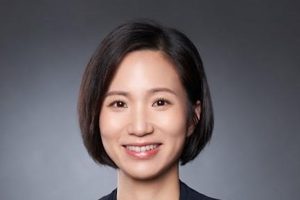
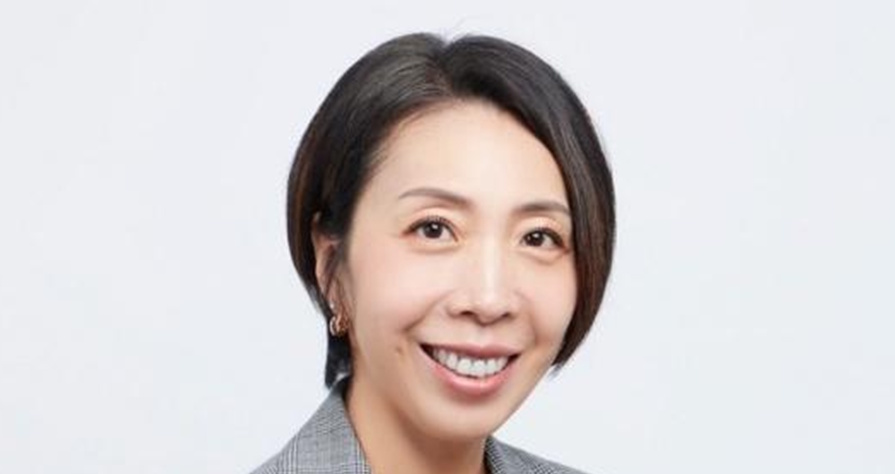
Taiwan is entering a pivotal phase in its healthcare evolution, and Roche’s leaders in Taiwan outline how the convergence of global expertise, advanced diagnostics and innovative therapeutics can accelerate that shift. Diana Liu and Sophia Chao describe an ecosystem that is eager to adopt prevention, early detection and personalised care, backed by policy momentum and strong clinical capabilities. Their perspective reveals how Taiwan can position itself as a regional centre of excellence while strengthening access, sustainability and talent for the long term.
What perspective did your international experience give you as you stepped into your leadership roles in Taiwan?
Diana Liu: Returning to Taiwan has been both a professional and a personal milestone, as much of my career was shaped here before I moved into global roles and GM for Hong Kong. That journey clarified two priorities for me. The first is advancing Taiwan as a genuine talent hub. I want us to attract diverse and capable colleagues, create an environment that is inclusive by design, and support local talent in gaining global exposure so they can return with broader perspectives and contribute more meaningfully to Taiwan’s healthcare landscape. The second is positioning Taiwan as a strategic centre within Asia and, increasingly, within the global healthcare ecosystem. Achieving this requires close partnership with government to define where Taiwan can lead, especially across priority disease areas where we, as Roche Pharma and Roche Diagnostics together, can offer integrated, end-to-end solutions. This combined strength gives us a platform to support Taiwan’s ambition to evolve into a regional medical hub with international relevance.
Sophia Chao: The motivation to return carries both professional depth and personal resonance. I was born in Taiwan and later immigrated to the US, so coming back feels like returning to my first home. Professionally, my entire career has been in diagnostics. Since joining Roche in 2010, I have worked across the US, Switzerland, Europe, Middle East, Africa and Latin America region and China in diverse roles in commercial and global businesses. Bringing that blend of global experience and in-market understanding back to Taiwan felt like a natural progression.
What energises me most is Taiwan’s clear commitment to improving public health, backed by real investment and strong policy engagement. Policymakers here actively seek innovation, whether in cancer care, digital transformation, personalised medicine or advanced diagnostics. The collaborative spirit across government, clinicians, industry and patient groups creates an ecosystem where integrated solutions can take shape and scale. That combination of shared purpose and willingness to partner makes Taiwan a compelling place to contribute, and it aligns well with the experience both Diana and I bring to support the next phase of Taiwan’s healthcare development.
How do you translate Roche’s global emphasis on prevention, early detection and personalised care into a strategy that reflects the specific needs of patients in Taiwan?
Diana Liu: This question goes to the core of our purpose, which is understanding what patients will need next. Two decades ago oncology felt overwhelming in many areas, and breast cancer in particular had limited therapeutic options until Roche discovered HER2 treatment as a key oncogenic driver . That breakthrough marked the start of modern targeted therapy and reshaped how clinicians understood and treated the disease.
We are now moving into a new chapter, one where innovation has made many cancers more manageable and where our focus increasingly includes conditions that shape quality of life. Our work in obesity and metabolic disease, neuroscience with an emphasis on early detection of Alzheimer’s disease, and ophthalmology reflects a shift toward helping people live better, not simply longer. This direction aligns closely with Taiwan’s policy ambitions under the Healthy Taiwan initiative, which places greater weight on prevention, chronic-disease management and smart healthcare.
Roche’s investment in clinical research in Taiwan is precisely what creates the most robust link between our global strategy and the goals of the “Healthy Taiwan” initiative. Over the past three years, Roche has conducted around 60 clinical trials in Taiwan. As many of these are Phase I clinical trials, they inherently foster close collaboration between local researchers and top-tier international investigators. Participation in early-phase clinical trials provides local investigators invaluable exposure to cutting-edge scientific developments. It enables doctors in Taiwan to make a meaningful contribution to the evolution of clinical medicine. Crucially, by integrating new drug development with local clinical practice and patient data, we are substantially driving the implementation of precision medicine, which is the core vision of “Healthy Taiwan” for chronic disease management and early prevention.
In addition, Roche’s distinct advantage in “One Roche” – the seamless integration of our pharmaceutical and diagnostics businesses – allows us to deliver end-to-end solutions to the healthcare system. Through this powerful integration, we can not only significantly enhance early detection and optimize overall patient care pathways but also substantially contribute to the long-term sustainability of the National Health Insurance (NHI) system.
Sophia Chao: Localising this global strategy begins with recognising the implications of Taiwan’s ageing population. People are living longer, but with that comes a greater burden of chronic and non-communicable diseases across cardiovascular, metabolic, neurological and oncological areas. With both Roche Pharma and Roche Diagnostics operating here, we are able to support the full continuum of care, from early screening and diagnosis through treatment and ongoing monitoring.
Women’s health is a clear example of where prevention can make a decisive difference. Taiwan is seeing more gynaecological conditions emerge earlier in life, often when women are managing significant work and family responsibilities. The Health Promotion Administration (HPA) provides free Pap tests and HPV testing at defined ages, yet screening rates remain below target. The barrier is awareness rather than access. This is why we work with hospitals, clinics and community health centres to deliver education and on-site testing, and why each year we support national women’s check-up initiatives, including outreach around the one-time HPV test offered at ages 35, 45 and 65.
A similar pattern appears in neurology. In Alzheimer’s disease we are advancing diagnostics and therapeutics together, offering cerebrospinal-fluid biomarker tests and will be introducing blood-based biomarkers test., These tools make earlier and less invasive assessment possible, giving clinicians and families clearer insight into disease progression and options for intervention. Realising the value of these innovations depends on accurate and timely diagnostics to identify the right patients. It is precisely this interdependence between pharma and diagnostics that strengthens the One Roche model and positions us to support Taiwan’s broader shift toward prevention, personalisation and more resilient healthcare delivery.
How do you see recent policy developments, including the Cancer Drug Fund, influencing access to oncology innovation in Taiwan?
Diana Liu: The Cancer Drug Fund is an important step for a system that already delivers near-universal coverage but must now balance timely access with long-term sustainability. Its provisional and conditional pathways allow breakthrough therapies to reach patients earlier, and we are already seeing tangible impact from a growing number of oncology products that have already entered through this mechanism, including several from Roche. It also reflects a broader policy ambition to bring clinical practice closer to international standards, with expert panels increasingly referencing NCCN and ESMO guidance. Alignment will take time, but the direction is positive.
For the fund to remain sustainable, the underlying structure of reimbursement must evolve. A significant proportion of NHI spending still goes to mature and off-patent medicines. We have long advocated increased investment supported by a rebalancing that rewards genuine innovation while allowing deeper price erosion for older therapies. This would enable the system to channel resources towards bringing rapid patient access to new treatments that transform outcomes. This is not solely a government responsibility; it requires continued collaboration across industry, policymakers and hospitals.
Furthermore, we strongly believe that personalized medicine is essential for providing advanced therapies and improving patients’ quality of life, particularly in cancer care. Roche has consistently been the leader and an active Public-Private Partnership (PPP) collaborator in driving this breakthrough.
We spearheaded the demonstration project for comprehensive cancer genomic testing services in Taiwan. By offering precise therapeutic options, we accumulated rich practical experience and invaluable real-world data. This successful PPP demonstrates the power of collaboration and propelled Taiwan toward more precise and effective cancer treatments.
Sophia Chao: Oncology is steadily moving toward precision and personalised care, and diagnostics sit at the centre of that shift. NHI is a powerful platform, but the system must ensure that investment reaches the patients most likely to benefit. Comprehensive genomic profiling enables that, guiding the choice of therapy and opening doors to clinical trials when no approved options exist. The reimbursement of NGS in May 2024 was a pivotal moment. It is still limited in scope, yet it signals a clear policy move toward earlier molecular insights for cancer patients.
What differentiates Taiwan is its openness to learn and adapt. Policymakers actively seek global experience, and at a recent forum where we shared examples from the United States and Korea, the new NHIA Director-General participated directly in discussions on how Taiwan can continue elevating its standard of care. This willingness to interrogate evidence and pilot new approaches accelerates progress. Taiwan’s appetite for piloting innovation is one of its greatest strengths. The readiness to test ideas, share accountability and scale what works creates an environment where diagnostics and pharma can partner effectively. It is this collaborative mindset that will allow precision oncology to become part of routine care rather than an exception.
How are you approaching the challenge of accelerating access timelines in Taiwan to ensure patients receive innovation without delay?
Diana Liu:
We highly commend the government’s sustained efforts to accelerate drug accessibility. On the regulatory review side, the TFDA, through measures like the Orphan Drug Designation and Expedited Registration Pilot Program, demonstrates a commitment to process optimization, ensuring innovative medicines reach the Taiwan market sooner.
Regarding reimbursement, the establishment of the Cancer Drug Fund is a highly forward-looking signal. It reflects the government’s strong desire to enable patients to access innovative drugs earlier, which aligns perfectly with global trends toward accelerating access to breakthrough therapies.
To further strengthen and optimise this system, we look forward to the continuous adoption of more transparent and forward-looking mechanisms for valuing innovation.
In terms of optimising value assessment, we believe that integrating transparent principles, such as Health Technology Assessment (HTA), will ensure new therapies receive an objective and effective value assessment, consistent with the goal of fostering innovation.
Furthermore, we believe there is value in assessing current policies that encourage local clinical trials. We need to ensure these investments are maximally translated into patient benefit, and look forward to exploring new, impactful collaboration models with the government to direct resources toward areas that most improve patient outcomes.
These constructive steps will collectively advance Taiwan’s healthcare system in alignment with global standards and ensure our patients have seamless access to the latest life-saving therapies.
How would you characterise Taiwan’s broader stance toward healthcare innovation, and what does this mean for both multinational and local players?
Diana Liu: The structural challenge in Taiwan’s spending mix on innovative therapies is a reality we must address. The majority of the National Health Insurance (NHI) drug budget still flows toward mature, off-patent treatments, which contrasts sharply with the trend in advanced international markets where expenditure is concentrated on high-value innovation. This current resource allocation, to a certain degree, restricts the development space for emerging therapies and new modalities in Taiwan.
We affirm the government’s awareness of this structural issue and its commitment to improving access to innovation through policies like the Cancer Drug Fund. However, to translate this ambition into a sustainable and efficient allocation framework, the most critical step now is to establish a clear and robust methodology for recognising innovation. This is a prerequisite for attracting international investment and driving scientific activity. We support the government’s intention to strengthen local R&D. Innovation is not a binary choice between domestic and international players.
Our aspiration at Roche is to contribute alongside local innovators, helping build an ecosystem where every stakeholder benefits, ultimately ensuring patients have access to the full range of therapies, regardless of origin.
Sophia Chao: The dynamics in diagnostics follow a similar pattern, though the challenges manifest differently. For traditional biomarker tests, regulatory pathways are well established. The complexity arises with digital diagnostics, algorithms and clinical decision-support tools that evolve continuously and do not fit comfortably within frameworks designed for fixed devices. If every version update requires a full review, the pace of innovation suffers. This is why we work so closely with the TFDA to explore more adaptive registration approaches that reflect how these technologies function in real-world care.
There has already been meaningful progress. Roche successfully introduced a clinical decision-support algorithm for liver cancer, which demonstrates the agency’s willingness to engage with new modalities. The next challenge is reimbursement. Even when innovation is recognised clinically, the payment structure often lags. Automated mass spectrometry (MS) is a case in point. It is faster than traditional MS and offers more precise results than immunoassay workflows, yet it is reimbursed under the same category as older biomarker tests, which undervalues its contribution to clinical decision making. Our focus now is twofold: supporting regulatory evolution so that novel diagnostics can be assessed more efficiently and working with the NHI to ensure reimbursement mechanisms reflect actual clinical value. Taiwan has a strong orientation toward innovation. The opportunity is to align regulatory agility and reimbursement reform so that new technologies reach patients at the speed the science now allows.
What steps are you taking to help Taiwan’s healthcare system adopt advanced diagnostic technologies, given that diagnostics account for a small share of spending yet influence most clinical decisions?
Sophia Chao: After more than twenty-five years in diagnostics, I have seen the field move from the basement of hospitals to a central seat at the healthcare table. COVID-19 played a major role in elevating diagnostics, not just by highlighting the need for rapid testing, but by showing the public and policymakers how essential diagnostics are even when treatment options are limited. This has created a moment where we can help shape the future of care much more directly. In Taiwan, our focus is on building local consensus and strengthening clinical confidence. International guidelines are important, but they come from data generated outside Taiwan. We work closely with clinicians, laboratory experts and academic partners to generate local evidence and align on how new diagnostic tools should be used in practice. This ensures that adoption is driven not only by global recommendations but by what makes sense for patients here, and it supports broader education among clinicians, patients and families.
The ageing population adds further pressure on Taiwan’s system. Large medical centres are overcrowded, and the government wants more patients to rely on community hospitals and clinics. Diagnostics can play a meaningful role in easing that burden, but only if workflows are efficient. This is why our role goes beyond supplying tests. We partner with hospitals to optimise operations, streamline clinical pathways and integrate diagnostics into decision making in a way that improves both accuracy and speed. A clear example is the emergency department. When a patient arrives with chest pain, high-sensitivity cardiac troponin testing, combined with international 0/1-hour algorithms, can help clinicians rule out myocardial infarction rapidly in low-risk patients. Yet implementation is rarely straightforward. It requires aligning biomarkers, algorithms, sample workflows and digital systems so clinicians can make confident decisions in real time. We work alongside hospitals to build these systems, supporting triage that identifies patients who need urgent care while allowing others to return home safely.
This is how we see the future of diagnostics. We are not only providers of testing platforms. We are partners helping hospitals manage rising demand, improve efficiency and deliver earlier, more accurate diagnoses that shape better outcomes for patients.
Which therapeutic and technological areas do you consider most strategic for Roche in Taiwan, and what future launches are you preparing for?
Diana Liu: We are entering a pivotal period with a series of launches that will extend our footprint beyond oncology into ophthalmology, rare diseases, neuroscience, and obesity. Gene and cell therapies will underpin much of this work, and we anticipate notable progress soon in areas such as Alzheimer’s disease and obesity. Our organization is carefully preparing for these transitions, as they signal a broader shift in how we support patients across the continuum of care.
Taiwan itself provides an environment where this momentum can translate into meaningful impact. The government’s Southbound Policy strengthens the possibility of Taiwan serving as a regional hub for markets like Indonesia and Vietnam, and the strong clinical reputation of physicians here reinforces that potential. This creates excellent opportunities for cross-border medical Public-Private Partnerships (PPP), aligning Roche’s strategy perfectly with Taiwan’s long-term healthcare vision.
In rare diseases, we have already begun adapting how we operate. For instance, for young patients who require intensive family care, our teams designed home-based delivery services. This innovative model significantly reduces the burden of frequent hospital visits, helping children maintain their normal daily routines.
While our portfolio continues to diversify, oncology remains our central pillar. We are at a pivotal moment, focused on developing breakthrough therapies that are set to redefine the standard of care. Specifically, within breast cancer, we are extremely encouraged by a pipeline of potential innovations that promise to deliver significant treatment advancements for patients with hormone receptor-positive disease. These developments underscore our dedication to actively “rewriting the textbook.” Our goal is to introduce these latest oncology innovations in Taiwan within the next few years, ensuring local patients gain timely access to world-class treatment options.
Sophia Chao: From a diagnostics perspective, one of the most transformative additions will be Roche’s fully automated mass spectrometry (MS) platform. Traditional MS is accurate but relies on multiple manual steps that limit scalability. Our new system streamlines preparation, measurement and analysis into a single workflow, making high complexity diagnostics more suitable for routine clinical practice. Our regulatory and medical teams are already preparing for its entry into Taiwan. We are also deepening our efforts in Alzheimer’s diagnostics. Alongside cerebrospinal fluid biomarker testing, we are working with institutions such as National Taiwan University Hospital and Taipei Veterans General Hospital to embed these tools within local dementia pathways. As blood-based biomarkers become available, they will enable earlier identification and more precise patient stratification across a wider range of clinical presentations.
Cardiometabolic disease represents another strategic priority. We are preparing to introduce a next generation continuous glucose monitoring system supported by AI enabled algorithms that can predict hypoglycaemia risk, including during sleep. This continuous glucose monitoring system, which received CE marking in 2024, is designed to guide day-to-day decision making and help patients avoid dangerous glucose fluctuations. We expect to bring it to Taiwan within the next year to year and a half.
Looking further ahead, we are evaluating the suitability of Roche’s SBX (Sequencing by Expansion) technology for Taiwan. Its Xpandomer chemistry and CMOS sensor architecture enable ultra rapid sequencing at scale, and we anticipate assessing its potential role as Taiwan continues to integrate advanced diagnostic technologies into its healthcare system.
What kind of organisational culture are you aiming to build to strengthen talent and support Taiwan’s long-term healthcare ambitions?
Diana Liu: This is a question we have been working through as a leadership team since I returned. We are shaping a clear multi-year vision, but the foundation is already evident. We want a culture that is both diverse and inclusive, because bringing in different perspectives allows us to think more broadly and prepares us for the demands ahead. Our focus on talent exchange is part of that ambition; it enriches how we approach problems and strengthens our capability for the future.
Agility is equally important. The healthcare environment in Taiwan and globally shifts quickly, often influenced by policy changes in major markets, and we need teams that can respond with speed and intention. For me, learning agility, strategic agility and strong collaboration form the core of what will define future-ready talent. These elements help us move with purpose rather than react to change, and they create a culture that supports long-term growth rather than short-term adaptation.
At the same time, inclusion requires confidence in our existing strengths. Taiwan has a long record of reliability, commitment and strategic thinking, and we should be proud of that foundation. What we need to build is greater comfort with calculated risk, encouraging people to act even when they feel only partially ready, and giving space for different personalities and nationalities to challenge and learn from one another. That balance is what will allow the culture to evolve while staying true to who we are.
Sophia Chao: I share that view entirely. Agility matters, but so does letting go of the instinct to perfect everything before taking a step forward. Perfection often slows progress, and we want people to try, learn and improve without fearing failure. An environment where lessons and experiences are shared openly enables faster growth across the organisation.
Inclusion is another essential part of the culture we want to strengthen. Recent reflections, including those linked to the International Day of Persons with Disabilities, reminded us how important it is for colleagues to feel they can bring their authentic selves, express ideas freely and challenge one another constructively. Diverse perspectives broaden our thinking, and part of our responsibility as leaders is to empower these voices rather than rely on traditional command-and-control approaches. What encourages me most is seeing colleagues willing to step up, take on new challenges and share accountability. That mindset naturally leads to deeper collaboration and a stronger sense of purpose, and it creates an environment where people genuinely enjoy contributing to the organisation’s goals.
Do you have any final reflections you would like to share?
Sophia Chao: A final point I would emphasise is the importance of recognising diagnostics as a core pillar of healthcare. Alongside pharmaceuticals, diagnostics shapes clinical decisions, guides treatment pathways and determines how effectively a system can respond to both chronic disease and emerging threats. When diagnostic expertise is fully integrated into national conversations about healthcare development, countries are better positioned to design strategies that reflect the entire patient journey.
I would also underline our enduring commitment to public health preparedness. Although much of the focus today centres on chronic diseases and oncology, the pandemic demonstrated how essential rapid diagnostic solutions are when systems face sudden pressure. We have shown that we can mobilise quickly, work closely with government partners and deliver the tools needed to manage urgent situations. While we all hope such crises remain rare, we are committed to supporting Taiwan with the same level of readiness and collaboration whenever the need arises.