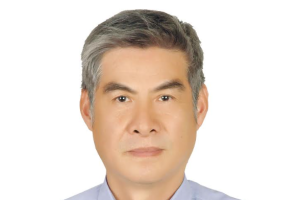
Taiwan’s healthcare system stands among the most advanced and accessible in Asia, yet, as the IRPMA’s CW Chen points out, sustainability is now the central concern. Drawing on a career that has spanned leadership roles at Chugai Pharma Taiwan, GSK, and Abbott Taiwan, Chen brings a uniquely comprehensive view of how policy, regulation, and innovation intersect. In this conversation, he reflects on IRPMA’s work to align Taiwan’s regulatory framework with global standards, the country’s persistent funding and access challenges, and the reforms needed to ensure that Taiwan’s universal healthcare model can continue to deliver both quality and innovation in the years ahead.
Can you provide our readers with insight into your professional background and your path to becoming Chief Operating Officer of IRPMA Taiwan?
My career trajectory within the pharmaceutical industry has been entirely Taiwan-based, commencing at Ciba-Geigy, which subsequently merged with Sandoz to form Novartis, where I entered as a sales representative. Throughout my career, I have held positions across US, European, Japanese, and Taiwanese pharmaceutical manufacturers, progressing through various roles before ultimately serving as General Manager of Abbott Taiwan. This comprehensive experience across both commercial operations and strategic leadership has provided me with an intimate understanding of Taiwan’s pharmaceutical ecosystem, which now informs my work at IRPMA.
As the Chief Operating Officer of IRPMA, what constitute your primary strategic priorities?
IRPMA serves as the paramount platform for multinational pharmaceutical corporations operating in Taiwan. Established in 1992, we have maintained a presence for more than thirty years. The Association is dedicated to advancing research-based pharmaceuticals, upholding the highest ethical standards in the industry, and reinforcing the sector’s contribution to public health. IRPMA’s member companies have consistently played a vital role in introducing innovative medicines to Taiwan, demonstrating a long-standing commitment to improving healthcare quality and enhancing the well-being of the Taiwanese people.
At the heart of our mission lies proactive policy communication and advocacy—efforts aimed at facilitating timely access to breakthrough therapies. Through ongoing clinical development and professional engagement, we continue to support Taiwan’s healthcare system and contribute meaningfully to its progress. We deeply value the collaborative efforts of all stakeholders, especially the dedication of our members in driving innovation and raising the standard of care. Given our members’ multinational heritage, we typically operate at the forefront of regulatory advancement and technological innovation. Our principal objective involves harmonising Taiwan’s regulatory framework with international standards through sustained engagement with health authorities, including the Ministry of Health and Welfare (MOHW), the Taiwan Food and Drug Administration (TFDA), and the National Health Insurance Administration (NHIA).
The progress achieved through collaborative efforts—particularly those led by TFDA—is clearly evident. Taiwan’s Good Manufacturing Practice (GMP) standards have steadily advanced to align with international benchmarks, reflecting a strong commitment to regulatory excellence. Taiwan is now proudly a member of both the Pharmaceutical Inspection Co-operation Scheme (PIC/S) and the International Council for Harmonisation (ICH), marking a significant milestone in global integration.
This transformation has been extraordinary. When I first joined the industry, Taiwan was home to approximately 700–800 pharmaceutical manufacturers. Today, that number stands at around 140—a shift that underscores the successful elevation of regulatory standards and the substantial investment required to meet them. This consolidation reflects not decline, but progress: a testament to Taiwan’s dedication to quality, safety, and global competitiveness.
How would you characterise market access within Taiwan itself for your member companies? Are there identifiable bottlenecks, or does the process function efficiently?
Taiwan’s universal health coverage is a remarkable achievement and a cornerstone of its commitment to public welfare. Since the launch of the National Health Insurance (NHI) system in 1995, the government has successfully provided comprehensive coverage to the population. However, the system’s reliance on premium-based funding presents unique challenges. Over the past three decades, premiums have been adjusted only three times—an approach that differs significantly from regional peers such as South Korea, which conducts near-annual adjustments to maintain system responsiveness.
A major challenge arising from the current funding model is the rigidity of the National Health Insurance (NHI) global budgeting system. The cap on expenditure restricts the system’s capacity to invest in infrastructure upgrades and medical innovation, leading to persistent issues such as shortages of healthcare professionals—especially nurses and specialists—limited access to cutting-edge therapies, and higher out-of-pocket expenses for critically ill patients. These constraints have contributed to Taiwan falling behind neighbouring countries like Japan and South Korea in key health indicators, including life expectancy and cancer survival rates.
To address these concerns, a multi-pronged strategy is needed: increasing overall health investment, modernising the NHI framework, and exploring diverse funding sources to support quality improvements and better health outcomes.
In 2023, IRPMA published the Investing in Health report, which offered a comprehensive analysis of Taiwan’s healthcare system and identified key areas for reform. While universal coverage remains a strength, the global budgeting mechanism, implemented in 2002, has effectively capped expenditure growth relative to clinical demand. Hospitals continue to face financial pressures, as the medical service point value often falls short of actual service costs.
Our comparative analysis with countries such as Canada, the UK, Germany, Japan, and South Korea revealed important insights. Taiwan’s current healthcare expenditure (CHE) is at 6.1% of GDP, well below the OECD average of 9.6%, South Korea’s 8.8%, and Japan’s 11.1%. Unlike peer nations that show consistent year-over-year growth in healthcare spending against GDP, Taiwan’s figure has remained largely unchanged.
The Investing in Health report has been strongly endorsed by medical societies, academic institutions, patient organisations, and industry leaders—demonstrating a united commitment to strengthening Taiwan’s healthcare system. We’re encouraged by the growing momentum behind its Top 5 recommendations, which are gaining traction and beginning to drive impactful reform.
- Treat healthcare spending as a strategic investment: Taiwan’s lagging health indicators—such as life expectancy and cancer survival—reflect chronic underinvestment compared to OECD peers.
- Define achievable investment goals: Japan’s 11% of GDP offers a long-term benchmark, while a more practical target of 8% by 2028 is within closer reach.
- Maximise health and economic returns: Increased funding can improve outcomes, boost productivity, and enhance fiscal performance. Better access to reimbursed innovative medicines and alignment with global treatment standards will also strengthen Taiwan’s biomedical competitiveness.
- Expand funding channels: Options include raising NHI premiums, leveraging general tax revenues, creating dedicated budgets for priority areas, increasing co-payments, promoting private insurance, and encouraging self-care through OTC medications.
- Enhance governance and coordination: A whole-of-government approach is needed—through a taskforce reporting to the Executive Yuan, greater authority and resources for the MOHW, and national goals to improve key health indicators.
During the 2024 presidential campaign, the report’s core message, “investing in health is an investment, not a cost”, received endorsement from all three candidates. It was heartening to see each of them recognise the pressing challenges and pledge meaningful action. Since assuming office, President Lai has demonstrated decisive leadership through the launch of the Healthy Taiwan initiative, which outlines ambitious goals to reduce cancer mortality, extend life expectancy, and address chronic conditions such as hyperlipidaemia, hyperglycaemia, and hypertension.
This initiative marks a significant step toward strengthening Taiwan’s healthcare infrastructure. Notably, current health expenditure (CHE) has increased to 7.3% of GDP over the past two years—a clear signal of the government’s commitment to long-term sustainability and improved public health outcomes. We commend these efforts and look forward to continued collaboration to ensure that Taiwan’s healthcare system remains resilient, innovative, and responsive to the needs of its people.
The Healthy Taiwan plan allocates around 1.5 billion USD. Do you believe this is enough to improve patient access to innovative treatments while also fairly compensating healthcare workers?
Recent developments reflect meaningful progress, though further efforts are needed to achieve a truly sustainable and equitable healthcare system. The government’s increased investment in healthcare worker compensation is a welcome step forward. However, remuneration levels still fall within the lower-to-middle range compared to other sectors—particularly high-tech industries like semiconductors—highlighting the need for continued attention to workforce support.
Encouragingly, we’ve seen significant improvements in patient access to innovative cancer treatments. In the past, reimbursement approval often required waiting periods exceeding 400 days, with some cases extending beyond 700 days. Over the past three years, this situation has markedly improved, especially under the leadership of then-NHIA Director General Shih Chung-liang. His proactive engagement with industry stakeholders and implementation of comprehensive drug policy reforms—backed by senior leadership support—helped streamline access and navigate complex policy challenges more effectively. We are optimistic that his recent appointment as Minister of Health and Welfare will further accelerate progress, given his proven commitment to reform and collaborative approach to healthcare system improvement.
While adjusting health insurance premiums remains a theoretically sound strategy for long-term system sustainability, Taiwan’s biennial election cycle presents practical constraints. Premium increases are often viewed as politically sensitive, and past experiences have shown strong resistance to such measures. Given the upcoming 2026 election year, premium adjustments are unlikely to be pursued in the near term. Nonetheless, the importance of financial sustainability is widely recognised, and building public understanding through ongoing dialogue will be essential to advancing future reforms.
In the current landscape, increased government budget allocation has emerged as the most practical and effective approach. Under President Tsai’s administration, a baseline of NT$20 billion per year was established for healthcare funding, and President Lai’s Healthy Taiwan initiative has since expanded this commitment. The Cancer Drug Fund (CDF), with NT$5 billion allocated in the current year and an additional NT$5 billion planned for 2026, has already delivered measurable benefits to patients. While President Lai has pledged an annual NT$10 billion contribution to the CDF, the fund currently lacks a clear legal foundation, and the existing public budget contribution model remains insufficient to ensure long-term financial sustainability—underscoring the need for broader social consensus and structural reform.
To help address budgetary constraints and ensure timely access to innovative therapies, IRPMA members have proposed a range of forward-looking strategies. These include sustained advocacy for increased public investment in healthcare—particularly for breakthrough medicines—as well as exploring risk-sharing agreements and new partnership models with the government. Strengthening drug resilience requires not only robust funding mechanisms but also transparent and predictable drug policies that support long-term planning, secure supply chains, and equitable access. Such collaborative approaches can help balance cost containment with the imperative to deliver high-quality, patient-centred care.
In characterising Taiwan’s pharmaceutical market today, would you describe it as innovation-focused or generics-dominated?
Taiwan’s commitment to universal healthcare is commendable, and continued efforts to improve access and equity are vital. However, when examining the top twenty pharmaceuticals by expenditure, only around half are innovative products—significantly lower than the 70–90% range observed in comparable international markets. This suggests that Taiwan’s pharmaceutical spending continues to reflect a strong presence of off-patent products, with room to expand access to newer therapies.
One key challenge lies in the reimbursement process. Approval timelines for innovative medicines are often lengthy, and even after reimbursement is granted, access may be limited by highly restrictive treatment guidelines. Surveys indicate that a significant portion of eligible patients are unable to benefit from reimbursed therapies due to these criteria, highlighting a gap between policy and clinical need.
In some cases, reimbursement policies require treatment suspension upon signs of disease stability, with resumption only permitted after relapse. This approach contrasts with international practices, where stability is viewed as a positive therapeutic outcome and continuation is encouraged. Such discrepancies can inadvertently compromise patient outcomes and place individuals in difficult positions—either self-funding ongoing treatment or waiting until symptoms worsen.
We recognise the National Health Insurance Administration’s efforts to balance financial sustainability with access to care. At the same time, these challenges underscore the importance of expanding funding sources to reduce the burden on patients. Enhanced public investment—such as continued support for dedicated funds targeting high-cost therapies—can help ensure that those in need are not left behind.
In addition, we encourage a review of the current co-payment structure. Taiwan’s fixed-amount model, combined with exemptions for certain conditions, differs from the ratio-based systems used in many other countries, where patients contribute a percentage of treatment costs. Transitioning to a more flexible, ratio-based co-payment framework—paired with safeguards such as income-based ceilings—could promote fairness and sustainability. This would allow more patients to access necessary treatments while contributing proportionately, without risking financial hardship.
Ultimately, a more inclusive and adaptive reimbursement system—supported by diversified funding and equitable cost-sharing—can help Taiwan continue its journey toward a resilient, patient-centred healthcare model. We remain committed to working collaboratively with all stakeholders to support these goals.
Given Taiwan’s tech strengths and decades of National Health Insurance data, how can digital health support healthcare sustainability, especially with an ageing population? How well is it currently being integrated?
The NHIA has commenced promoting digital care initiatives. For most Taiwanese residents, accessing outpatient services or healthcare facilities is remarkably convenient. However, remote areas face significant accessibility challenges, requiring hours of travel to consult physicians. For these populations, telemedicine offers substantial utility.
Similarly, for elderly populations, particularly those with mobility limitations or disabilities, accessing hospital services presents considerable logistical challenges. Family members may require leave from employment to accompany elderly relatives to appointments, or must engage caregivers for accompaniment. For patients managing chronic conditions who do not require in-person consultations during stable periods, digital health offers meaningful benefits.
However, adoption remains limited. The ease of accessing physicians directly, combined with physicians’ preference for in-person consultations and patients’ preference for face-to-face interactions, impedes digital health adoption. Transforming these established behaviours requires considerable time and sustained promotional efforts.
Taiwan previously ranked third globally as a clinical trials hub. What advantages does Taiwan offer for clinical research, and which therapeutic areas demonstrate the most robust activity among your members?
Taiwan offers a strong foundation for clinical research, with a highly advanced healthcare infrastructure and a workforce of skilled, knowledgeable, and dedicated professionals. These strengths position Taiwan as a promising hub for high-quality clinical studies.
To fully realise this potential, streamlining administrative processes remains a key area for improvement. Currently, clinical trial applications require sequential steps—Institutional Review Board (IRB) approval followed by individual contract negotiations with each participating hospital. This approach, while thorough, can be time-consuming. In contrast, countries such as Singapore, Australia, and South Korea have adopted coordinated, one-stop administrative models through government-industry collaboration, significantly reducing the burden on sponsors and investigators. Establishing a similar centralised mechanism in Taiwan—whether through TFDA or a dedicated entity—could greatly enhance efficiency and competitiveness.
Patient recruitment is another area with room for innovation. Traditionally reliant on investigator networks, recruitment could be transformed by leveraging Taiwan’s comprehensive healthcare database. TRPMA’s ongoing collaboration with TFDA to develop a subject identification platform is a promising step, and we look forward to its continued progress.
With robust privacy safeguards in place, responsibly expanding access to anonymised healthcare data holds significant potential to accelerate recruitment timelines and enhance precision. We acknowledge the importance of addressing public concerns regarding data protection and the monetisation of government-owned health data repositories. To that end, we encourage thoughtful, multi-stakeholder dialogue aimed at balancing innovation with ethical stewardship and public trust.
The government’s efforts to unify disparate hospital systems into a standardised, interoperable infrastructure are particularly commendable. The adoption of HL7 FHIR (Fast Healthcare Interoperability Resources) standards marks a significant milestone in enabling seamless data exchange across institutions. This initiative—covering FHIR conversion, storage, verification, and visualisation—lays the groundwork for a robust smart healthcare ecosystem.
We applaud these forward-looking policies and believe they will play a pivotal role in shaping Taiwan’s clinical research landscape over the next decade. By continuing to invest in infrastructure, streamline processes, and foster cross-sector collaboration, Taiwan can strengthen its position as a regional leader in clinical innovation.
Taiwan has strong biotech ambitions; what role can multinational pharmaceutical companies play in supporting local innovation through partnerships or investment? Are there any notable success stories among your members?
Taiwan’s biotech sector is poised for remarkable growth, supported by a sophisticated healthcare infrastructure, exceptional scientific talent, and a clear national vision to become a leading regional innovation hub. Multinational pharmaceutical companies are uniquely positioned to help accelerate this trajectory—not only through investment, but by cultivating strategic partnerships that enhance local capabilities and drive innovation forward.
Several member companies have already initiated collaborative projects with the domestic industry, contributing to a growing foundation of joint efforts. However, the scale and frequency of these partnerships remain below the level envisioned by government leaders. Authorities continue to encourage expanded engagement, including commissioning local manufacturers as contract development and manufacturing organisations (CDMOs) or contract manufacturing organisations (CMOs) during various stages of development. While uptake has been modest, the growth potential is substantial.
Taiwan’s biotech ambitions are well-articulated, and its core strengths—advanced infrastructure, skilled professionals, and a culture of innovation—are undeniable. Although the market’s size, with a population of 23 million and a pharmaceutical value of approximately US$9 billion, may present limitations, scale alone does not define opportunity. We believe Taiwan’s value lies in its agility, quality, and strategic positioning.
To attract sustained multinational investment, a holistic strategy is essential—one that includes streamlined innovation access, predictable regulatory pathways, and pricing mechanisms that reflect therapeutic value. These elements are key to positioning Taiwan as a compelling destination for global pharmaceutical collaboration.
Managed entry agreements have provided a useful framework for enhancing drug resilience. However, there is room to improve fairness in risk-sharing, increase predictability, and ensure proportionality between public health benefits and policy impact. A persistent challenge is the price gap between National Health Insurance (NHI) reimbursement rates and actual transaction prices, which can significantly erode product value and deter investment in innovative therapies.
To attract sustained investment, we recommend:
- Exploring pricing models that reflect therapeutic value and reduce price gap distortions.
- Aligning reimbursement policies with international guidelines.
- Promoting transparent, predictable mechanisms to support long-term planning.
Taiwan’s commitment to biotech development is clear, and momentum is building. With thoughtful policy refinement and deeper collaboration between government and industry, multinational pharmaceutical companies can become enduring partners in shaping a vibrant, innovation-driven ecosystem—one that delivers meaningful benefits to patients, strengthens the healthcare system, and enhances Taiwan’s global competitiveness.
Looking forward: if we were to return to Taiwan in five years, what would you hope to have accomplished in your role?
Taiwan’s healthcare system is built on a solid foundation, and while comprehensive reform presents inherent complexities, there is a clear opportunity for targeted, incremental improvements that can enhance both sustainability and patient outcomes.
A top priority is ensuring that reimbursement criteria are aligned with internationally recognised treatment guidelines. This alignment is essential to prevent the unintended exclusion of patient groups who would otherwise benefit from appropriate therapies. By adopting evidence-based standards used in peer healthcare systems, Taiwan can promote equitable access and uphold clinical best practices.
In parallel, we advocate for reforming the co-payment structure—transitioning from fixed amounts to ratio-based contributions. This approach would more accurately reflect treatment costs and foster a fairer distribution of financial responsibility across the system.
We also see value in deepening collaboration with the government to build public understanding around healthcare financing. Sustainability is a shared responsibility. Premium increases, when warranted, should be viewed not as punitive but as a collective investment in public health. Healthy individuals contribute to protecting those in need, and in turn, benefit from the system when facing illness or ageing. Taiwan’s NHIA has consistently demonstrated transparency and integrity in its administration, and this trust is a vital foundation for public support.
These reforms, anchored in evidence, equity, and engagement, can help Taiwan build a resilient, patient-centred healthcare system. IRPMA remains committed to working alongside all stakeholders to support this vision.