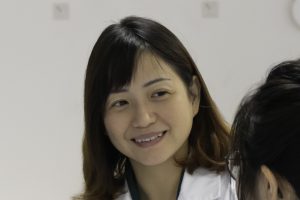
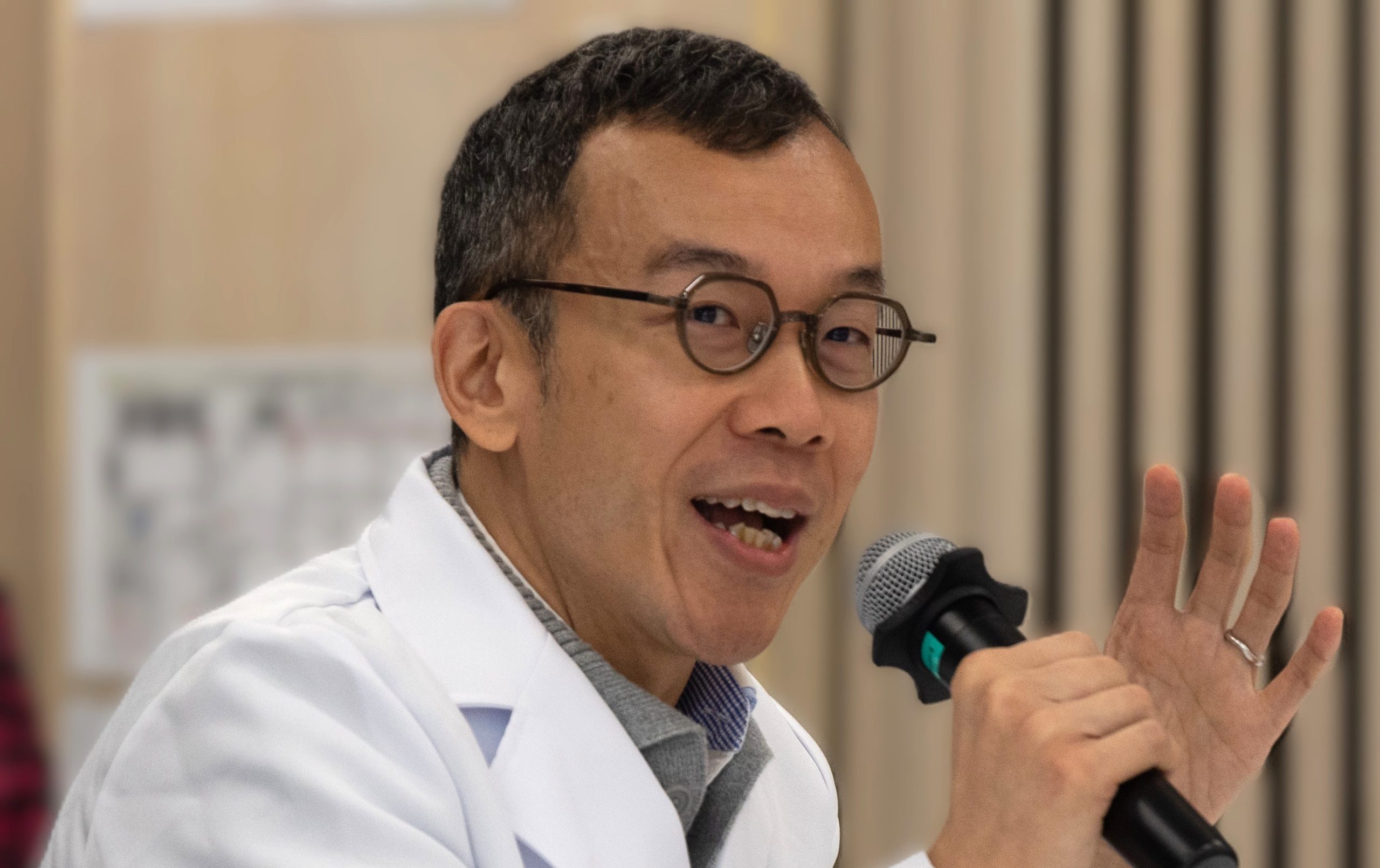
Established in 2018 under the Hospital Authority, the Hong Kong Children’s Hospital (HKCH) has rapidly emerged as the city’s leading centre for complex paediatric and rare-disease care. Bringing together advanced diagnostics, pioneering research, and multidisciplinary expertise under one roof, HKCH represents a new model of integrated medicine in Asia, one that bridges clinical excellence with scientific innovation and collaboration across borders. In this interview, Dr Chloe Mak and Dr Fung Cheuk-wing share how Hong Kong is advancing newborn screening, precision medicine, and gene therapy while positioning itself as a regional and international hub for rare-disease management and research.
What is the role and significance of the HKCH within Hong Kong’s healthcare landscape?
The Hong Kong Children’s Hospital, a public hospital under the Hospital Authority, commenced service in late 2018 as the city’s central hub for complex paediatric and rare-disease care. Its founding mission is to consolidate tertiary paediatric services that were previously dispersed across multiple hospitals, bringing together various paediatric sub-specialities and other specialities under one roof. This centralisation enables the efficient use of resources, the accumulation of expertise, and the deployment of advanced equipment while fostering clinical and translational research in paediatric and genetic medicine.
Purpose-built with this dual mandate in mind, HKCH integrates clinical excellence with research, education and training capability. The facility houses dedicated laboratories, a data centre and a clinical trial centre, positioning it as both a treatment centre and a catalyst for innovation. It also occupies a unique place in Hong Kong’s medical ecosystem as the first hospital jointly affiliated with the Li Ka Shing Faculty of Medicine at the University of Hong Kong (HKU) and the Faculty of Medicine at the Chinese University of Hong Kong (CUHK). Professors, researchers, and Hospital Authority clinicians work side by side within the same institution, creating a dynamic environment for knowledge exchange and academic collaboration.
Beyond serving as a referral centre for complex paediatric cases, HKCH also operates the city’s newborn screening programme, centrally coordinated under the Hospital Authority. Covering babies born in all public birthing hospitals and participating private hospitals, the programme screens for an expanding range of conditions – including inborn errors of metabolism (IEM), severe combined immunodeficiency (SCID), spinal muscular atrophy (SMA), congenital hypothyroidism, and G6PD deficiency – strengthening HKCH’s role as a centre of excellence for precision diagnostics and early intervention in Hong Kong and the wider region.
How is newborn screening structured in Hong Kong, and what guiding principles determine the inclusion of new conditions?
Dr Chloe Mak: In Hong Kong, newborn screening is regarded as a gift of lifelong health for every child. With birth rates steadily declining, each new life represents an even greater societal investment, and early detection becomes essential rather than optional. Two decades ago, gene therapy was still the realm of scientific imagination; today, it is reshaping the management of diseases once thought incurable. Looking ahead, it is envisioned that within the coming decades, more gene therapy and a unified therapeutic approach may emerge, unlocking effective treatments for these rare conditions.
The same transformation is evident in newborn screening. Where one test once targeted a single disorder such as congenital hypothyroidism (CHT) or phenylketonuria (PKU), technological advances now allow a single dried-blood-spot sample to detect about thirty metabolic conditions using biochemical methods, and potentially hundreds more through next-generation sequencing (NGS). Hong Kong’s commitment to this field stretches back to the 1980s, when visionary policymakers first sought to establish a territory-wide programme inspired by successful international models. Despite various constraints, that ambition has endured and evolved. Today, the Hospital Authority’s screening panel encompasses thirty IEM (expanded from twenty-six in July 2025), alongside SCID and SMA. They all began as pilot initiatives and are now part of regular service, with the framework continuously reviewed as new knowledge and technology emerge. The laboratory team, composed of pathologists specialising in chemical pathology and genetics, alongside skilled scientists and technicians, has consistently achieved internationally recognised standards with high positive and negative predictive rates.
Dr Fung Cheuk-wing: Each proposal to expand the screening panel is guided by internationally recognised public-health principles that weigh medical value, feasibility, and ethical responsibility. We evaluate candidate conditions based on their prevalence, treatability, typical age of onset, and the practicality of confirmatory testing and intervention. The US Recommended Uniform Screening Panel (RUSP) serves as an important reference, yet local epidemiology remains decisive. Some disorders that appear frequently in Western or Middle-Eastern populations are rarely observed in Hong Kong, while others are being actively considered here, even though they are not yet listed on RUSP.
Ethical and psychosocial factors are equally integral to our deliberations. Certain IEMs are treatable yet may not manifest until adulthood; identifying them at birth could impose decades of unnecessary anxiety and follow-up for families. To ensure balance and accountability, every proposal is reviewed by an independent advisory panel convened by the Hospital Authority. This structure ensures that decisions reflect not only scientific evidence but also cultural context and patient well-being. All testing is performed at HKCH, integrating laboratory science and clinical management within a single institution, a model that reinforces both the quality and the ethical integrity of Hong Kong’s newborn screening programme.
Once a newborn is diagnosed through screening, how is the clinical pathway organised to ensure accurate confirmation and timely follow-up?
Dr Chloe Mak: After nearly a decade of phased implementation, the incidence of the 30 IEMs included in Hong Kong’s newborn screening panel stands at about one in 2,000 births, a figure higher than initially anticipated yet closely aligned with global experience. Historical data based solely on clinical presentation suggested an incidence closer to one in 5,000 to 7,000, underscoring the transformative value of early detection. While a few mild phenotypes are occasionally identified, most confirmed cases are clinically significant and benefit directly from timely intervention.
Because newborns are typically asymptomatic, accurate diagnosis depends entirely on laboratory precision. At HKCH, we integrate biochemical testing and next-generation sequencing within a single facility, enabling efficient and comprehensive analysis. We were the first in Hong Kong to introduce second-tier NGS testing, which has significantly reduced false-positive results. Our programme currently covers about 25,000 newborns annually, with a recent extension to cover babies born in the private sector, reflecting strong public-private participation.
Our recall rate averages 0.13% for IEM, one-third the international benchmark, while our positive predictive value (PPV) – one true case for every two recalls – matches the world’s most advanced programmes. These outcomes reflect both technical excellence and the trust that Hong Kong families place in our system. Close and real-time coordination between pathology and clinical teams in neurology, immunology, endocrinology and metabolic medicine ensures that urgent cases are prioritised immediately. Data and statistics from the Collaborative Laboratory Integrated reports by Mayo Clinic are also leveraged in current practice, allowing benchmarking and validation with peers worldwide and reinforcing our commitment to global collaboration in rare-disease detection.
Dr Fung Cheuk-wing: Once a potential case is identified, we tailor the response according to its urgency. Babies with life-threatening findings are admitted immediately to our neonatal unit, while others undergo confirmatory evaluation in outpatient settings. Treatment would be initiated by the respective subspecialty team as clinically indicated.
Therapies range from targeted medication(s) to dietary interventions in IEM, always accompanied by close follow-up to monitor development and response. This integrated structure, bringing diagnostics, clinical care, and specialist expertise under one roof, prevents the fragmentation that often characterises rare-disease management. By uniting laboratory science and multidisciplinary care within HKCH, we ensure that every child’s journey from screening to treatment is guided by precision, continuity, and compassion.
How is Hong Kong Children’s Hospital engaging with the rapid evolution of gene and cell therapies, particularly given the growing scientific activity across the Chinese Mainland?
Dr Fung Cheuk-wing: HKCH was the first under the Hospital Authority to deliver gene therapy for SMA, a milestone that reflects how rapidly science is reshaping paediatric rare-disease care. Before such treatments can be introduced, they must first obtain registration in Hong Kong, after which they may be incorporated into the public healthcare system. While gene therapies represent extraordinary progress, they also present major challenges in cost, logistics, and regulation.
The government’s ‘1+ mechanism’ has helped accelerate the registration of novel therapies, yet some pharmaceutical companies still refrain from filing in Hong Kong due to commercial considerations and the market’s limited scale. In those cases, we would try our best to pursue compassionate-use or early access arrangements to ensure drug availability for eligible patients. For example, in metabolic medicine, we directly coordinate with overseas manufacturers, without intermediaries, to obtain triheptanoin, a US-developed therapy for certain IEMs which could be detected through newborn screening. Several patients are now receiving this treatment on an early access basis. These efforts demand extensive coordination and documentation, but they are vital to ensuring that no child is left untreated.
Looking ahead, we hope the emerging “Hong Kong and Macao Medicine and Equipment Connect” policy framework will further encourage companies to register innovative rare-disease drugs in Hong Kong. Once approved here, such therapies might also reach patients across the Greater Bay Area (GBA) at designated medical institutions, expanding access and making the city a more attractive entry point for biopharma innovators.
Beyond approved therapies, we are also building capacity in clinical research. Our hospital is equipped with a dedicated clinical trial centre with a research pharmacy and supported by multidisciplinary teams, as well as strong collaborations with the University of Hong Kong and the Chinese University of Hong Kong. This combination of infrastructure, expertise, and academic partnership positions HKCH as a trusted bridge between scientific innovation and real-world patient care in the region.
What makes Hong Kong an attractive base for rare-disease clinical research, and how ready are patients and families to participate in such trials?
Dr Fung Cheuk-wing: The main challenge for Hong Kong lies in scale. By nature, rare diseases affect only small patient populations, which can make it difficult for companies to justify establishing new trial sites here. Many investigational therapies are already being developed in Europe or the United States, where larger patient cohorts and well-established frameworks make clinical research more efficient. Yet Hong Kong offers advantages that extend beyond numbers. Our highly developed healthcare system, English-speaking professional community, and robust ethical and regulatory standards provide a trusted foundation for international research. Just as importantly, our proximity to the Chinese Mainland, where the biopharma sector and patient pool are expanding rapidly, positions Hong Kong as a natural gateway between global and Chinese Mainland innovators. The GBA initiative could further reinforce this role by enabling cross-boundary access to therapies and expanding the catchment area for studies. In fact, families from the Chinese Mainland already travel to HKCH to try to access treatments unavailable at home – demonstrating the trust placed in our clinical expertise.
When it comes to participation, Hong Kong families show attitudes similar to those elsewhere: some are highly proactive and willing to explore any opportunity for their child, while others take a more cautious approach, preferring to wait for mature data. I recall one child with mucopolysaccharidosis (MPS) who joined a gene-therapy trial in the United Kingdom, one of fewer than ten patients worldwide. The sponsoring clinical trial site arranged every detail, from travel to logistics, reflecting both the rarity of such opportunities and the immense hope they inspire.
Our hospital is fully equipped to conduct these studies. With a dedicated clinical trial centre, research pharmacy, and multidisciplinary teams, as well as close partnerships with the University of Hong Kong and the Chinese University of Hong Kong, we have the infrastructure and expertise required to deliver complex trials to global standards. What we now need is a broader patient base and deeper collaboration with renowned academic centres and industry to establish Hong Kong as a regional and international hub for rare-disease research, including trials and clinical innovation.
Dr Chloe Mak: While our population is relatively small, Hong Kong’s scientific rigour, transparent regulatory framework, and bilingual environment make it an ideal entry point for life science companies seeking to expand into Asia. Our healthcare and academic systems operate to internationally recognised standards, underpinned by a strong culture of ethical governance and multidisciplinary collaboration. In this way, Hong Kong stands not merely as a research site, but as a trusted and globally aligned bridge, linking international science with the broader Chinese and Asian markets.
How central are international collaborations in advancing rare-disease diagnosis, treatment, and research at Hong Kong Children’s Hospital?
Dr Fung Cheuk-wing: Accurate diagnosis remains the foundation of rare-disease management, and collaboration is central to achieving it. As Hong Kong’s designated paediatric referral centre, we concentrate expertise and advanced technologies to ensure every complex case receives a thorough diagnostic workup. Among the indicated patients, access to NGS, including whole-exome sequencing (WES) is available. We also work closely with the Hong Kong Genome Institute (HKGI) to conduct whole-genome sequencing (WGS) for inconclusive or unresolved cases. For cases requiring even deeper investigation through comprehensive multi-omics approaches, we collaborate with academic partners on a research basis. These joint efforts have already resulted in novel gene discoveries and the resolution of previously unsolved cases.
Beyond Hong Kong, we engage extensively with international and national experts and institutions. Our clinicians frequently exchange knowledge and insights through global conferences and direct collaborations. For instance, in complex IEM with diagnostic challenges, our specialists liaise directly with colleagues in various expert centres in Europe and the United States to extend analyses and confirm diagnoses. Such collaborations are invaluable in deepening clinical understanding. All patient data are securely maintained under the Hospital Authority’s centralised electronic system, enabling clinical integration while safeguarding confidentiality. Any research use must pass ethics approval and undergo full anonymisation, ensuring compliance with stringent ethical and privacy standards.
Dr Chloe Mak: From the laboratory perspective, international collaboration is equally critical to maintaining excellence. All our pathologists receive rigorous local training complemented by fellowship accreditation from the Royal College of Australasia in chemical pathology, medical genomics and biochemical genetics, fostering both clinical-scientific precision and a global outlook. Many also contribute to international scientific bodies; I have, for example, served with the International Federation of Clinical Chemistry and Laboratory Medicine (IFCC) in paediatric laboratory medicine.
We maintain an active network of academic and clinical partnerships across Asia and globally. Regular exchange programmes with the Chinese Mainland and monthly teleconferences with Beijing Children’s Hospital allow for real-time case discussions and knowledge sharing. These collaborations reflect Hong Kong’s distinct position as a bridge between East and West, linking China’s fast-growing medical research ecosystem with established international standards. This synergy not only strengthens our diagnostic capabilities but also accelerates the translation of research discoveries into tangible improvements in patient care.
Looking ahead, what developments do you foresee for your team and for the field more broadly?
Dr Chloe Mak: Over the past decade, Hong Kong has made transformative progress in genomic medicine. Ten years ago, diagnosing a rare disease through genetic testing could take months or even years; today, it can be done in a fraction of the time. This evolution stems from a clear strategic vision and sustained investment in innovation. The establishment of the Hong Kong Genome Institute and the adoption of NGS across all Hospital Authority clusters have brought genomic diagnosis into mainstream clinical practice. Within this network, HKCH acts as a one-stop genetics and genomics service centre, providing specialised clinical testing that supports all seven clusters within the Hospital Authority system.
At HKCH, our current capabilities include whole genome sequencing, whole-exome sequencing and RNA sequencing, complemented by phenotypic testing such as enzyme assays for lysosomal storage diseases in both paediatric and adult patients. By re-examining historical hospital data, we uncovered numerous previously undiagnosed cases, underscoring how many patients had slipped through the cracks before special phenotypic tests and genomic testing became widely available.
Building in-house diagnostic capacity has been a critical milestone. Previously, tests had to be sent abroad, a costly, time-consuming process that created logistical barriers and anxiety for families. Now, with local infrastructure, we can provide faster, more equitable access to diagnosis and treatment. Unlike general hospitals where adult services dominate, Hong Kong Children’s Hospital can dedicate resources exclusively to paediatric and rare-disease patients, ensuring that these smaller but equally important populations receive focused care.
Looking forward, I believe awareness will be just as important as technology. Many conditions once believed to be exceptionally rare are now recognised to affect one in a few hundred individuals. As science advances and diagnostic precision grows, so too must our collective understanding, replacing stigma and misconception with early recognition, compassion, and proactive support for those living with rare diseases.
What developments most excite you about the future of rare-disease care, and how do they align with Hong Kong Children’s Hospital’s long-term vision?
Dr Fung Cheuk-wing: At HKCH, we have developed a deeply integrated model of care that brings together multiple specialities under one roof to support children with complex and rare conditions. Our multidisciplinary one-stop clinics combine the expertise of various specialists, enabling families to meet all relevant experts in a single visit. This approach not only reduces hospital visits and waiting time but also helps families feel more confident and supported throughout their care journey. Currently, HKCH has more than 20 multidisciplinary clinics dedicated to various complex and rare conditions.
Equally important is ensuring a smooth transition for adolescents moving from paediatric to adult services. Taking the example in IEM, through our Transition Care Clinic, we work closely with Princess Margaret Hospital, Hong Kong’s designated adult centre, to coordinate handovers for patients. This service model allows for continuity of care and consistent monitoring as patients grow older. Because most of our specialists are full-time within the hospital, interdisciplinary collaboration happens daily, strengthening communication, research, and training. This team-based culture is deeply rooted in our ethos of “Learning, Caring, and Smiling.”
Looking ahead, we see immense promise in the growing field of novel disease discoveries, gene and rare-disease therapies. Several new treatments are now being registered in Hong Kong, and we are also actively engaging with partners in the Chinese Mainland to participate in upcoming gene therapy clinical trials. Beyond individual initiatives, our ambition is broader and more fundamental: to create a fully integrated continuum of care – from newborn screening to transition care when reaching adulthood – where science, collaboration, and compassion meet. By building this bridge between clinical excellence and scientific innovation, we aim to position HKCH as a regional and international hub for rare-disease diagnosis and management, research and clinical trials, connecting expertise across Hong Kong, Chinese Mainland, Southeast Asia and around the globe.
Dr Chloe Mak: Although newborn screening has been practised globally for over fifty years, many regions still lack comprehensive programmes, even for conditions such as CHT and PKU. My aspiration is for Hong Kong, and particularly our hospital, to help extend these simple yet lifesaving programmes to other parts of the world. From the laboratory perspective, the next decade will mark a new era of precision medicine and functional genomics, where we move beyond diagnosis toward truly personalised treatment, monitoring, and prognostication. A key emerging discipline is functionomics, which uses high-throughput functional screening to integrate genomic, proteomic, metabolomic, and other omics data, enabling us to interpret the clinical impact of previously unknown genetic variants.
Many research laboratories are already advancing this work, and I believe these technologies will soon become standard in clinical diagnostics. The convergence of genomics and functionomics will allow us to bridge the gap between genetic discovery and therapeutic application, transforming how rare diseases are understood and managed, and ultimately improving outcomes for patients who have long awaited answers.