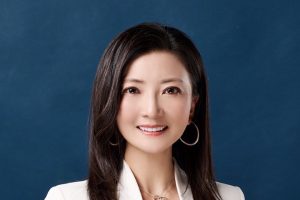
Cathy Su, General Manager for Taiwan, Hong Kong/Macau & Singapore at Gilead Sciences, reflects on her nineteen-year tenure with the biopharmaceutical company, progressing from market analytics to multi-market leadership. She discusses Gilead's strategic evolution from virology specialist to diversified oncology player, the complexities of navigating diverse Asian healthcare systems, and her commitment to fostering innovation access, policy transformation, and generational workforce development across the region.
Perhaps we could begin with your career journey and the experiences that brought you to your current leadership position…
I joined Gilead Sciences in 2007 after five years in the pharmaceutical industry, seeking an organisation with sustained growth potential and meaningful career progression. What drew me was Gilead’s pioneering single-tablet HIV regimen, consolidating multiple therapies into a single tablet regimen– transformative for patient compliance and outcomes, reflecting the company’s science-driven, patient-focused ethos. Since then, Gilead has grown from 3,000 to over 15,000 employees globally.
I began in market analytics, then moved into marketing and global roles, contributing to hepatitis C and HIV launches, before relocating to London to support the European HCV launch – a revealing experience highlighting US-European market differences. Later, I led the global launch of tenofovir alafenamide for hepatitis B, exemplifying Gilead’s commitment to continuous innovation.
In 2017, I helped establish Gilead’s China affiliate, deepening my understanding of reimbursement landscapes and regional talent development. During COVID-19, I reflected on my career trajectory and realised my aspiration was general management. When the Taiwan business unit head role became available, I embraced it, experiencing direct patient impact through healthcare professional engagement.
After two years, I became General Manager for Taiwan, later expanding responsibilities to Hong Kong, Macau, and Singapore. Navigating these diverse markets – from Taiwan’s single-payer system to Hong Kong’s dual public-private structure and Singapore’s price-sensitive, limited reimbursement environment – has been intellectually stimulating and operationally demanding.
I take pride in our patient impact, multi-stakeholder collaborations with governments, NGOs, patient groups, and physicians, and policy advocacy aimed at supporting healthcare environments. Beyond treatments, I value community engagement, including participation in Taiwan’s Pride Parade and partnerships with organisations advancing equity for LGBTQ+ and marginalised communities, reflecting Gilead’s mission at its fullest
Of the four markets you oversee – Taiwan, Hong Kong, Macau, and Singapore – which contributes the most to revenue, and how do they compare in bringing innovations to patients?
Revenue generally aligns with population size and reimbursement systems. Taiwan remains our largest market due to its population and comprehensive coverage, with Macau operating similarly under a quasi-single-payer structure. Taiwan has seen rapid improvements in reimbursement and funding, particularly in oncology, where treatments like our triple-negative breast cancer therapy received reimbursement in just eight months – driven by government ambitions to reduce cancer mortality by a third by 2030.
Since 2022, Taiwan has increasingly embraced innovation and expedited access for unmet medical needs. Beyond oncology, we collaborate extensively with the Taiwan CDC on HIV prevention and treatment, including pioneering pre-exposure prophylaxis programmes and rapid adoption of new HIV therapies. We also lead in hepatitis, driving HCV elimination ahead of the WHO target and advancing HBV treatment through public-private partnerships, guideline relaxation, and expanded access programmes.
Hong Kong is our second-largest market, where we maintain HIV leadership but face barriers to same-day treatment initiation – a key factor for optimal outcomes. Virology remains strong in the public sector. Singapore, with a smaller population, contributes less revenue and faces historical reimbursement challenges. Nevertheless, we support patients via donation and assistance programmes, ensuring access to critical therapies.
Regarding oncology, what potential exists within your managed markets?
Historically, Gilead functioned as a virology company. Approximately ten years ago, we commenced diversification into oncology. Treatment for triple-negative breast cancer and hormone receptor-positive breast cancer demonstrates remarkable efficacy, securing expeditious reimbursement in Taiwan due to demonstrated effectiveness.
This represents our initial step – capturing TNBC and HR-positive market segments. We possess compelling Phase III data for first-line TNBC treatment, and we are committed to introducing this indication across Taiwan, Hong Kong, and Singapore as expeditiously as possible. Additionally, Phase II data in non-small cell lung cancer have demonstrated positive outcomes. For any future oncology indications, we remain committed to securing regulatory approval and reimbursement rapidly to facilitate early patient access.
Are governments across your markets receptive to reviewing novel payment models and co-payment structures? What has been your experience with these dialogues?
Receptivity to private sector solutions in Taiwan is growing. Historically, patients have relied on the single-payer system with free medications, but oncology has sparked discussions on leveraging private insurance to improve access to innovative treatments. The Cancer Drug Fund is an extraordinary initiative accelerating availability, yet eligibility criteria mean some patients still face delays, often starting treatment too late for optimal outcomes.
Government openness and patient receptivity are increasing, particularly among younger generations. As breast cancer prevalence rises, especially in younger women, combining public funding with private support mechanisms is crucial. Early access improves outcomes, and integrating private insurance – common internationally – offers a necessary safety net. Taiwan now requires greater public education on the value of such approaches, given expectations of universal coverage.
You operate in smaller markets with strong biotech ambitions, each aiming to become an innovation hub. How can major biopharma companies like Gilead support their innovation goals?
We drive innovation primarily through clinical trial engagement, advocating for our markets within global organisations to ensure trials take place locally. This approach has increased trial activity in oncology and HIV, providing early exposure for investigators, who gain experience with cutting-edge therapies and contribute to local innovation.
Local talent development is equally central. Despite relatively small teams – around 80 employees in Taiwan and 50 across Hong Kong and Singapore – we have consolidated Singapore into a regional hub, offering growth opportunities and fostering talent pools that benefit both Gilead and the broader industry. Our strategic pillars are patient-centricity, people development, and sustained growth: prioritising people drives growth and innovation.
Fostering markets into innovation hubs also requires robust partnerships. Innovation is not just about introducing medicines but leveraging it to drive policy change, as seen with Taiwan’s Cancer Drug Fund. We collaborate with governments to expand access, revise restrictive treatment criteria, and use global data to inform local policy.
Our goal is broader than product introduction. We aim to create measurable patient and community impact by cultivating ecosystems that ensure innovation evaluation, access to therapies, and sustainable policy improvements. Success depends on collaboration with governments, healthcare professionals, and the wider community – making innovation meaningful and accessible locally
Could you elaborate on the community engagement programs and initiatives currently underway in Taiwan and Hong Kong?
We maintain several programmes. One HIV-focused initiative is the Asia Pacific Rainbow Grant Programme, now in its fifth year. We support community projects for HIV care, education, and awareness across the Asia Pacific. To date, Gilead has awarded 5.8 million USD in grants across 103 organisations supporting 144 projects. Additionally, we operate the All4Liver Grant programme, having funded over 80 community-led initiatives globally to enhance hepatitis education all over the world.
Digitalisation constitutes a contemporary priority. Regarding digital initiatives, how are you implementing these within your managed affiliates and teams?
Digital approaches have expanded across our affiliates, particularly in sales and marketing. COVID-19 accelerated adoption, initially for remote healthcare professional engagement, and these tools have since become integral to our promotion mix. Face-to-face interaction remains culturally vital in Asia, but digital channels complement it, especially for remote areas or younger, digitally trained physicians. Webinars have become a mainstay for medical education, rapidly disseminating new data and post-conference insights.
Artificial intelligence is now a major focus. Adoption has accelerated, with tools like AI Copilot deployed widely under compliance frameworks. AI enables rapid internal content creation, from videos to even original music, eliminating vendor dependency, cutting costs, and speeding turnaround. I encourage colleagues to master AI rather than be led by it – providing clear instructions and experimenting safely to enhance performance. Those who adopt early gain a competitive advantage, while delayed adoption risks being left behind. AI is now a core enabler of efficiency, creativity, and market responsiveness across our operations.
If you could share one leadership lesson or advice, particularly for younger generation leaders who might read this interview, what would you offer?
One leadership lesson I would share is to lead with purpose and empathy. Early in my career, I learned that leadership isn’t about having all the answers; it’s about creating an environment where people feel empowered to bring their best ideas forward. For younger leaders, I’d say: stay curious, listen deeply, and never underestimate the power of authenticity. When your team knows you genuinely care about them and the impact you’re making together, trust grows, and trust is the foundation for everything.
One moment that shaped this belief was when I led a major organisational change. Instead of focusing solely on the strategy, I spent time listening to the team’s concerns and aspirations. That dialogue not only strengthened trust but also sparked innovative solutions we wouldn’t have achieved otherwise. It reminded me that transformation isn’t just about processes, it’s about people.
Leadership is a journey, not a destination, and every challenge is an opportunity to learn and evolve. So embrace change, stay grounded in your values, and always keep the bigger purpose, making a difference for the people you serve, at the heart of what you do.
Is there anything we have not addressed that you wish to discuss?
I should mention cell therapy. We have cell therapy entering Asia. We are progressing substantially in several markets. Singapore secured reimbursement, and we are making tremendous progress in both Korea and Taiwan. Korea recently received regulatory approval. In Taiwan, we anticipate receiving regulatory approval imminently, with reimbursement progress also advancing expeditiously. We believe Taiwan’s government demonstrates keen interest in introducing additional therapy options, including cell therapy. This represents an area where we are driving intensively to broaden cell therapy access.