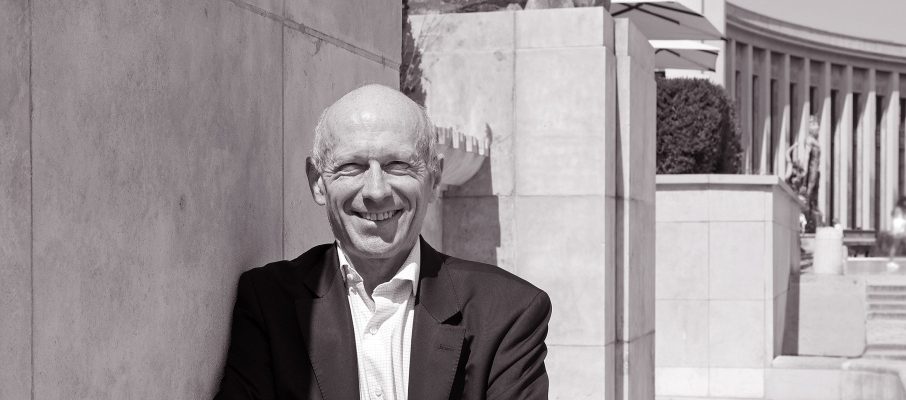

When Marc de Garidel joined AbiVax as CEO in 2023, the firm had very recently teetered on the brink of bankruptcy. Now, less than three short years later, he leads the hottest prospect in European biotech, with a potentially market-leading drug for inflammatory bowel disease nearing regulatory approval. de Garidel – already with two big biotech exits to his name – looks set for his biggest success yet.
In 2023, AbiVax, which originally focused on infectious diseases such as HIV but pivoted to gastroenterology in the mid-2010s, was facing an existential crisis. The firm had started the year positively with strong Phase IIb trial results for its lead candidate in ulcerative colitis (UC) and robust investor interest. However, the company delayed a further capital raise to fund a Phase III program in the hopes of being acquired; an acquisition never came. Instead, AbiVax ultimately had to be bailed out via a EUR 180 million refinancing led by Sofinnova Partners.
Upon making this investment in AbiVax, Sofinnova appointed de Garidel as both chairman and CEO. A doyenne of the French life sciences industry, de Garidel was CEO of domestic champion Ipsen between 2010 and 2016 and still serves as the company’s chairman. Even more significantly, after leaving Ipsen he achieved stratospheric exits for two US biotechs from Soffinova’s portfolio. As CEO of Corvidia Therapeutics, he oversaw a sale to Novo Nordisk for USD 2.1 billion in 2020 and three years later sold CinCor Pharma to AstraZeneca for up to USD 1.8 billion.
Fresh from the CinCor deal, de Garidel could have been forgiven for taking a well-earned break. Instead, intrigued by Sofinnova’s offer and despite having never previously worked within inflammatory bowel disease (IBD), he took the position, tasked with steering the company’s lead candidate through the pivotal, complex, and expensive Phase III trial process.
“I was drawn to the clarity of the science and the conviction of the team,” says de Garidel. “After immersing myself in the IBD field, I became convinced that obefazimod’s profile was truly unique.” While existing UC treatments tend to act as immuno blockers and either lose efficacy or come with strong side effects over time, de Garidel posits that AbiVax’s candidate instead “helps the immune system restore balance rather than shutting it down…harnessing the body’s natural regulatory mechanisms to treat chronic inflammation.”
Given that a Phase III trial in UC can run up to USD 350 million, de Garidel’s first item of business was further fundraising. To that end, later in 2023, AbiVax completed the largest-ever US IPO for a French biotech, raising USD 240 million on the NASDAQ. This was followed in 2025 by a USD 750 million follow-on offering, one of the biggest financings in European biotech history, following a stellar readout from its Phase III trial.
“On that day, our share price surged by almost 600 percent on NASDAQ, a milestone that underscored the extraordinary confidence investors have placed in our science, strategy, execution, and leadership team,” reminisces de Garidel.
With a spectacular turnaround almost complete and the company now valued at up to USD 23 billion, where does Garidel see AbiVax’s future? Most importantly, he is keen to avoid repeating the mistakes of the past. “Outside of the US we plan to commercialise obefazimod through partnerships, but in the US [which represents a full 70 percent of the global IBD market – ed.], our objective is to launch independently,” he says.
“As a CEO, I cannot rely on the prospect of an acquisition; that assumption during Phase II proved costly when no deal materialised. This time, our focus is firmly on building a sustainable business capable of standing on its own, while remaining open to collaboration if the opportunity arises.”
In terms of pipeline, beyond bringing obefazimod through Phase III trials in UC (further results are expected in Q2 2026), in the medium-term, de Garidel is also hoping to pilot the same compound through Phase II trials for the less common but more severe Crohn’s disease. Looking even further ahead, AbiVax’s R&D team in Montpellier is investigating combination therapies and even looking at developing obefazimod’s successor.
As one of the few pioneers in European biotech to rise above the continent’s negative industry sentiment and achieve cut-through in the US, what advice would de Garidel share for other executives in similar positions? “Leadership in biotech is ultimately about de-risking execution, ensuring that rigorous science is translated into real therapeutic value through disciplined implementation,” he muses.
“Drug development remains an empirical craft: science sets the direction, but success depends on focus, precision, and the ability to adapt and learn from experience. Too often, teams stumble by trying to do too much or by not understanding their drug deeply enough. In the end, it is clarity of purpose and scientific integrity that drive progress.”