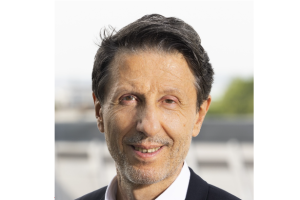
As CEO of Transgene, Alessandro Riva is steering the French biotech into a new era of cancer immunotherapy. Building on more than four decades of scientific excellence, Transgene is advancing a pioneering platform of individualised neoantigen therapeutic vaccines (INTVs) designed to re-educate the immune system to target solid tumours. With its lead programme, TG4050, the company is redefining the boundaries of precision oncology by merging artificial intelligence, viral-vector engineering, and translational expertise into a single, patient-specific approach.
What inspired your transition from Ichnos Sciences to Transgene, and what drew you to lead this next chapter?
While still at Ichnos Sciences, I was approached by Institut Mérieux, through its subsidiary TSGH SAS, the majority shareholder of Transgene, to consider taking on the chairmanship of the board. The scientific depth and promise of Transgene’s work, particularly its focus on Individualised Neoantigen Therapeutic Vaccines (INTVs), immediately captured my interest. I viewed it as an opportunity to contribute to a company at the forefront of innovation in oncology, with a clear potential to redefine how we treat solid tumours.
I formally became Chairman of the Board in May 2022, marking my first experience in such a capacity and offering a valuable shift in perspective after many years on the executive side of large pharmaceutical organisations. It was both a learning experience and a chance to engage with the board and management in a new dynamic. In May 2023, I was also invited to assume the role of Chief Executive Officer, combining strategic oversight with day-to-day leadership.
Having led global oncology teams across major pharma companies, moving into biotech has been a demanding yet deeply fulfilling transition. At Transgene, leadership is far more integrated: we are involved in every aspect of discovery, development, and delivery. That closeness, to both science and people, is what continues to make this journey so rewarding.
How would you describe Transgene today, and what distinguishes it within France’s vibrant biotech ecosystem?
Transgene is a clinical-stage biotechnology company based in Strasbourg, France, bringing together around 160 specialists across research, development, and manufacturing. This fully integrated model allows us to advance innovation in immuno-oncology, a field that has transformed cancer care over the past two decades following the advent of checkpoint inhibitors. We are guided by the conviction that stimulating the body’s own immune defences to recognise and eliminate malignant cells can offer patients more durable and precise therapeutic outcomes.
Our main focus is the development of an Individualised Neoantigen Therapeutic Vaccine, a therapeutic rather than preventive vaccine designed uniquely for each patient, according to the specific mutations found in their tumour. The concept mirrors the individualised nature of CAR-T cell therapy in haematological malignancies but is applied here to solid tumours.
We begin with patients in the early, operable stage of disease, initially targeting HPV-negative squamous cell carcinoma of the head and neck (SCCHN). After surgery, we conduct Next-Generation Sequencing (NGS) to map the tumour’s genome and identify mutations that differ from the patient’s healthy tissue. These data are then processed using an artificial intelligence and machine-learning algorithm developed by NEC Corporation, which ranks the mutations most likely to elicit an immune response. Our proprietary technology further refines this selection, integrating the most promising neoantigens into a viral vector to produce a fully individualised vaccine.
Administered subcutaneously over roughly one year – weekly for the first six weeks, then every three weeks thereafter – the vaccine activates CD4+ and CD8+ T cells against the identified neoantigens, enabling the immune system to target and destroy residual tumour cells. In essence, we start with the patient’s own tumour, apply advanced sequencing and AI-driven analysis to pinpoint the most immunogenic targets, and return a personalised viral-vector-based vaccine capable of re-educating the immune system to fight cancer. This approach embodies the scientific and clinical vision that defines Transgene today.
Your lead programme, TG4050, targets head and neck cancer. Why did you choose this indication, and what have you learned so far from early clinical results?
When we began developing TG4050, we deliberately chose head and neck cancer – specifically, HPV-negative, locally advanced, resected squamous cell carcinoma of the head and neck – as our first indication. At that time, immunotherapy had shown little efficacy in either operable or inoperable forms of the disease, leaving patients with a significant unmet medical need. We saw an opportunity to challenge that limitation and demonstrate the potential of an individualised vaccine approach in one of oncology’s most difficult settings.
In our randomised Phase I trial, patients received TG4050 following surgery and standard chemoradiotherapy, compared with an observation arm. With a median follow-up of 30 months, no relapses occurred among the 16 patients treated with TG4050, while three relapses were observed in the control group. These data, presented at the American Society of Clinical Oncology (ASCO) Annual Meeting in June 2025, represent the first proof of principle for an individualised neoantigen therapeutic vaccine in head and neck cancer. Although the study is small, the results were viewed by the ASCO community as highly encouraging, positioning Transgene as the first and only actor to deliver such data in this indication.
Following these encouraging findings, what milestones are you prioritising to advance TG4050 toward potential approval?
Alongside efficacy, we presented immunogenicity findings confirming that patients mounted strong immune responses against their predefined neoantigens. Updated data will be shared at the Society for Immunotherapy of Cancer (SITC) Annual Meeting in the United States this November, further supporting the vaccine’s mechanism of action.
Our Phase II trial is already underway, with randomisation expected to close by the end of this year. The first immunogenicity readouts are planned for late 2026, and efficacy data for 2027. Following the ASCO presentation, the enthusiasm from clinical investigators in Europe and North America has been remarkable, prompting discussions on accelerating the programme toward a potential pivotal study. We are now working internally, with clinicians and soon with regulators, to align on its design and objectives, with the ambition of ultimately making TG4050 and the broader INTV approach available to patients globally.
How do you see individualised neoantigen vaccines transforming the treatment paradigm in oncology over the coming years?
Our vision is rooted in the belief that the early stages of solid tumours offer the most receptive environment for immune intervention. At this point in the disease, patients have typically undergone surgery, chemotherapy, radiotherapy, or checkpoint inhibition, yet a substantial proportion – between 35 and 50%, depending on the tumour type – still relapse within a few years. By stimulating the immune system at this critical moment, we aim to prevent recurrence and extend remission for patients who remain at risk despite existing treatments.
This concept can be applied broadly across solid tumour indications, including head and neck, non-small cell lung, gastric, and bladder cancers. The goal is not simply to introduce another therapy, but to change the treatment paradigm, to intervene earlier, when the immune system can mount a durable, targeted response. In doing so, we see the field of individualised vaccines as inherently collaborative rather than competitive. What matters most is advancing the science collectively, so that patients benefit from multiple complementary innovations rather than isolated breakthroughs.
Transgene brings a distinct scientific signature to this evolving space through three defining differentiators. First, we are the only actor employing a viral vector, while others rely on mRNA or DNA-based technologies. Because the immune system is naturally primed to respond to viruses, this design allows for stronger and more sustained immune activation against the selected neoantigens. Second, we are pioneering the early-stage head and neck cancer setting, a particularly challenging and underserved area. And third, our algorithms for neoantigen selection, developed to identify the most immunogenic mutations, add a unique level of precision to our platform.
In a field with such vast therapeutic potential, there is space for many innovators. Our objective is not to dominate the landscape but to contribute meaningfully to it, to help shape the next generation of individualised immunotherapies and, ultimately, improve outcomes for patients with operable solid tumours at risk of relapse.
How are you ensuring that Transgene remains financially strong and well-positioned to sustain its innovation pipeline?
Transgene currently maintains financial visibility through December 2026, a position confirmed publicly following the renewed support from Institut Mérieux’s holding company, which remains our major shareholder with approximately 70% ownership. The remainder of the capital is held by a mix of institutional and individual investors who continue to support our strategic direction and scientific vision.
Looking ahead, our priority is twofold: to preserve the long-standing partnership with Institut Mérieux, which provides both stability and strategic alignment, while also broadening our investor base to include partners experienced in individualised oncology therapies. Developing patient-specific treatments, such as our individualised neoantigen vaccines, requires a deep understanding of the balance between scientific opportunity, financial risk, and long-term value creation. This is not a conventional, off-the-shelf model; it demands investors who appreciate the complexity and transformative potential of personalised medicine.
Much like CAR-T therapies have redefined the treatment of haematological malignancies, we are pioneering a similar, individualised approach in solid tumours through therapeutic vaccination. Our goal over the coming months is to engage investors who share our conviction in this field and who can contribute both the capital and strategic insight necessary to propel Transgene into its next phase of growth, one that combines scientific innovation with tangible patient impact.
What long-term vision guides your roadmap for Transgene, from clinical development to potential commercialisation in Europe and beyond?
Our long-term vision is guided by a single principle: to create lasting value for the community, for patients, partners, and the broader oncology ecosystem. Since taking on this role, my conviction has been that every decision should move us closer to that goal. Whether through partnerships, collaborations, or other strategic avenues, our mission is to bring our INTV platform to a point where it is scientifically validated, operationally reliable, and clinically meaningful for patients.
In the long run, our ambition is to see TG4050 become the first individualised vaccine approved for head and neck cancer, ideally launched in Europe, beginning with France, where we are headquartered. Achieving that vision requires both a clear scientific roadmap and strong industrial foundations. Today, all our clinical production is carried out in Strasbourg, but to prepare for launch, we must expand our capabilities and scale manufacturing to meet future demand.
We are therefore preparing plans for a Centre of Excellence, the first facility dedicated to the production of individualised neoantigen vaccines, on land adjacent to our current campus in Strasbourg. This site would serve the anticipated European launch of TG4050, with an initial focus on France and Germany, where regulatory frameworks enable faster patient access to innovation. We have already identified the clinical milestones that would trigger the project and intend to raise targeted funding specifically for its construction.
Once established, the Centre will act as a model for replication, allowing for efficient technology transfer and scale-up across regions as our programmes evolve. This approach mirrors what I witnessed during the development of cell therapy manufacturing at Novartis and Gilead, where modular expansion and standardised validation allowed rapid deployment across multiple sites.
Transgene already possesses a robust scientific and operational foundation. The next step is to translate that strength into sustainable industrial capability. Ultimately, we aspire to become the first French company, and potentially the first globally, to bring an individualised neoantigen vaccine to patients, starting with head and neck cancer and progressively extending access across Europe and beyond.
How do you approach building and nurturing the right team to drive Transgene forward?
Building the right organisation begins with a clear understanding of the vision, the scientific ambition, and the complexity of the challenges ahead. When I joined Transgene, the company already had a strong foundation, but its efforts were distributed across several directions. Refocusing the organisation around the INTV platform required a period of reflection, understanding the people already in place, the culture they had built, and how their expertise could align with our new strategic priorities. I spent considerable time listening, discussing science and strategy, and ensuring that everyone understood not only what we were aiming to achieve, but also why.
From there, we assessed the organisation’s strengths and gaps, identifying where new expertise would be essential. When recruitment was necessary, the emphasis was as much on integration and cultural fit as on technical capability. It was important to ensure that new colleagues joined an environment that valued collaboration and mutual respect, where the whole team moved forward together.
Our culture is grounded in transparency, openness, and shared purpose. Every month, nearly half of our organisation participates in open strategic meetings where management presents progress, addresses questions, and listens to feedback. These discussions are participative by design, they help to dissolve barriers between leadership and teams and reinforce a collective understanding of why our work matters.
Ultimately, we are united by a mission that extends beyond our individual roles: serving patients. Working in biotech means operating with both urgency and humility, knowing that innovation has a direct impact on people’s lives. I am convinced that those who choose this field do so out of a deep sense of commitment, one that goes beyond science to purpose. That shared conviction, that sense of responsibility toward patients who cannot wait, is what defines us at Transgene and drives everything we do.