Brazil Brazil’s pharmaceutical sector is undergoing a quiet but significant transformation. Once dominated by multinationals and focused largely on generics, a group of leading domestic players is now charting a different course, towards innovation, manufacturing sovereignty, and strategic influence. Speaking on behalf of Grupo FarmaBrasil, a coalition of the country’s top…
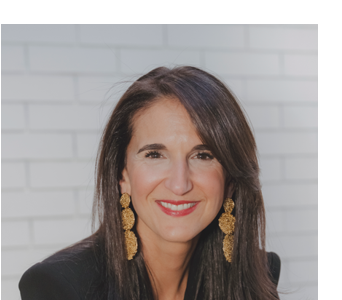
LatAm Yaneth Giha, Executive Director of FIFARMA, has transformed the organisation from a traditional trade association into a strategic platform for advancing healthcare access in Latin America. The first woman to lead FIFARMA, she drives evidence-based solutions, multi-stakeholder collaboration, and regulatory reform, positioning the region as a rising force in global…
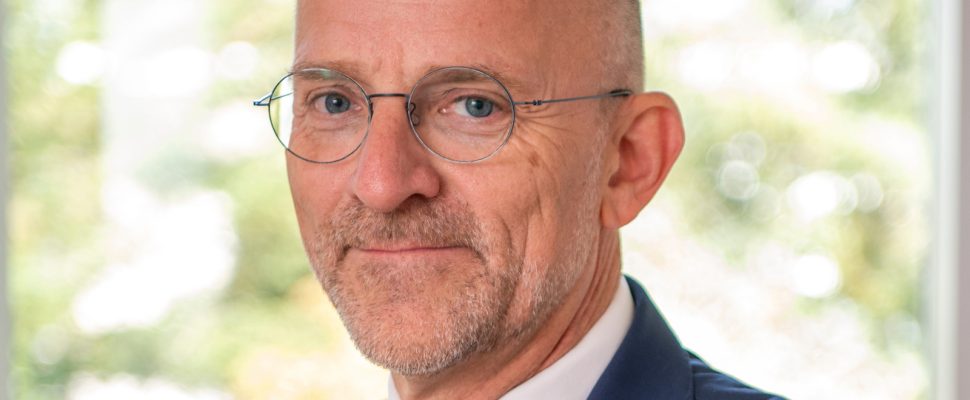
France As global powers race to secure health sovereignty and industrial resilience, France stands at a crossroads. With rising regulatory asymmetries, fierce international competition, and mounting fiscal pressure on its pharmaceutical sector, the stakes have never been higher. Didier Véron, President of G5 Santé – the collective voice of France’s leading…
Denmark From operating theatres to national policy forums, Mads Koch Hansen has spent his career at the intersection of clinical care and healthcare innovation. Now leading Denmark’s medtech industry association, Medicoindustrien, he draws on this diverse experience to champion a more integrated, forward-looking approach to health technology. In this wide-ranging conversation,…
Global Lenny Shallcross, Executive Director of the World Dementia Council, reflects on the evolving global response to Alzheimer’s disease and dementia; from the slow but significant rollout of disease-modifying treatments to the critical importance of knowledge-sharing between health systems. Shallcross discusses why this moment, though complex and incremental, represents a turning…
Denmark Peter Jorgensen, Director of the Danish Generic and Biosimilar Medicines Industry Association, discusses Denmark’s robust framework for generics and biosimilars, offering insight into a system that has delivered high penetration, cost savings, and broad public trust. From legal structures and patient attitudes to incentives and hospital adoption, Jorgensen outlines why…
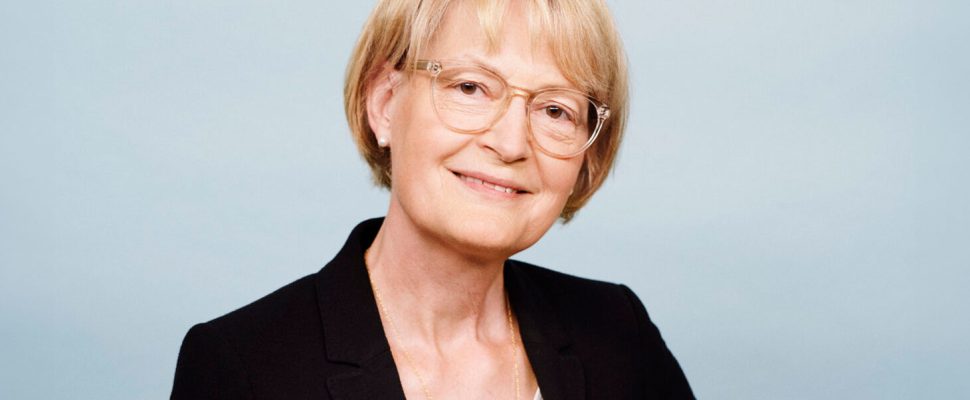
Denmark Ida Sofie Jensen, CEO of Lif, Denmark’s pharmaceutical industry association, discusses the country’s bold Life Science Strategy and the ongoing healthcare reform shaping its future. She explores how Denmark is aligning innovation, access, and health system sustainability through coordinated policymaking, a new Healthcare Innovation Index, and strengthened partnerships between industry…
Puerto Rico We’re not just reconnecting with our roots—we’re planting new ones. The PDA Puerto Rico chapter is a bridge between our island’s rich pharmaceutical legacy and a future powered by innovation, collaboration, and purpose. The Parenteral Drug Association (PDA) is a non-profit global organisation established in 1946, providing support to the…
Europe European pharma is at a turning point, with rising cost pressures, regulatory shifts, and supply chain vulnerabilities reshaping the industry. As the new president of Medicines for Europe, STADA’s Stephan Eder is now at the forefront of driving the change that Europe needs. In this new role as head of…
Switzerland Switzerland is a highly decentralised nation where much of the decision-making power lies within individual Cantons and where the Federal presidency is rotated annually. To consistently keep industry interests on the national agenda against this backdrop, a dense network of well-resourced and highly sophisticated professional associations has evolved in Switzerland.…
Switzerland Although the global biotech sector is currently struggling with equity and debt financing, Swiss biotech is on the up. 2023 saw the Swiss biotech sector hit record revenues of CHF 7.3 billion (EUR 7.8 billion) with capital investments surpassing CHF 2 billion. While funding inflows still did not reach the…
Mexico Some 16 percent of Mexico’s population is battling diabetes—a number that represents one in five of the nation’s populace without including the vast numbers of undiagnosed Mexicans living with the disease. The new Mexican government has committed to reducing the burden of diabetes by stepping up primary care and preventive…
See our Cookie Privacy Policy Here