Pharma Legal Handbook Are there any Managed entry agreements in place in your country? (If so, please list them) Yes, Saudi Arabia has implemented two types of Managed Entry Agreements (MEAs) under the Ministry of Health’s “Managed-Entry Agreement Policy” issued in January 2021. These include: A. Finance-based Price/Volume Agreement 1. Fundamentals & rationale…
Pharma Legal Handbook Which are the main actors involved in public procurement and tendering? In Saudi Arabia, the main actors in the public procurement and tendering process for pharmaceuticals include: NUPCO (National Unified Procurement Company): Acts as the central purchasing agent for the Ministry of Health (MOH), Ministry of Defense, National Guard, and…
Pharma Legal Handbook Please describe the main cost containment policies in place in your country and their fundamental principles a. Pricing and impact of generic/biosimilar approval The SFDA applies automatic price reductions for generics and biosimilars: The 1st generic is priced ≥35% lower than the originator. The 2nd generic is ≥55% lower.…
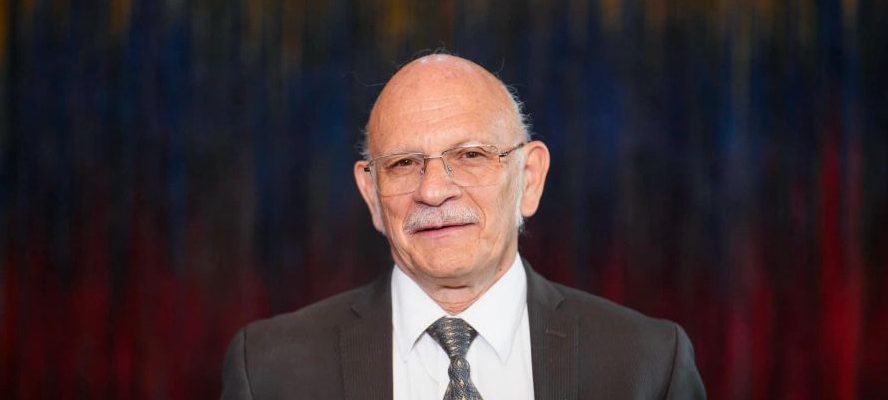
Colombia Francisco Rossi, Director of Colombia’s National Food and Drug Surveillance Institute (INVIMA), discusses the agency’s ongoing transformation to become a faster, more transparent, and globally recognised regulator. Since his return in 2024, Rossi has prioritised reducing backlogs, launching the digital platform InvimÁgil, and refocusing INVIMA on public health surveillance. He…
Pharma Legal Handbook Which are the health technology assessment (HTA) evaluation bodies and their responsibilities in your country? The primary HTA authority is the Saudi Food and Drug Authority (SFDA), which hosts a dedicated HTA/Economic Evaluation Unit established in 2023. Its main responsibility is to evaluate clinical and economic evidence (EES) for: New…
Pharma Legal Handbook 1.Price Control How does price control at ex-factory prices work in your country? Ex-factory prices are strictly regulated by the Saudi Food and Drug Authority (SFDA) using External Reference Pricing (ERP). SFDA sets a Ceiling CIP price based on the lowest value from a basket of 34 reference countries. Manufacturers…
MEA The Middle East and Africa (MEA) pharmaceutical market is booming. According to IQVIA, the market reached USD 32.6 billion in value last year with value sales growth at 10.5 percent versus the previous year. Saudi Arabia, the largest market in MEA at USD 11.6 billion in value, expanded at 9.1…
ALIFAR At its recent assembly in Bogotá, ALIFAR – the Latin American Association of National Pharmaceutical Industries – brought together chambers from 14 countries to set a shared agenda for 2025. Representing hundreds of laboratories and thousands of workers, ALIFAR is working to strengthen the region’s pharmaceutical base through sovereignty, innovation,…
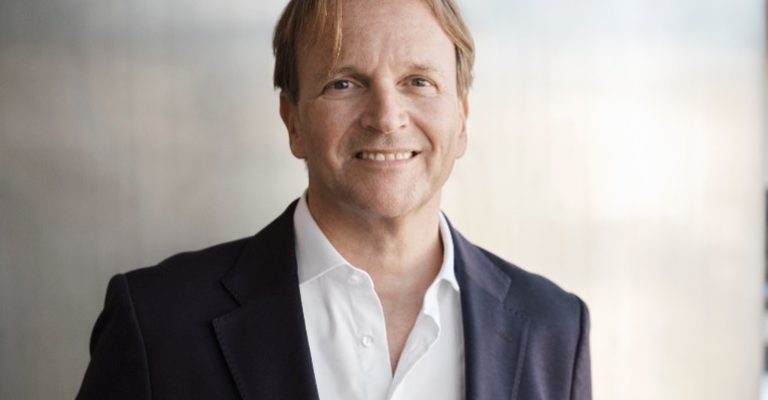
Denmark Michael Kocher, Chief Executive Officer of Xellia, brings over 15 years of pharmaceutical industry experience to his leadership role at the Danish API manufacturer. Under his leadership since October 2023, the company has undertaken a comprehensive strategic realignment, divesting its US operations while refocusing on its core competencies in fermentation-based…
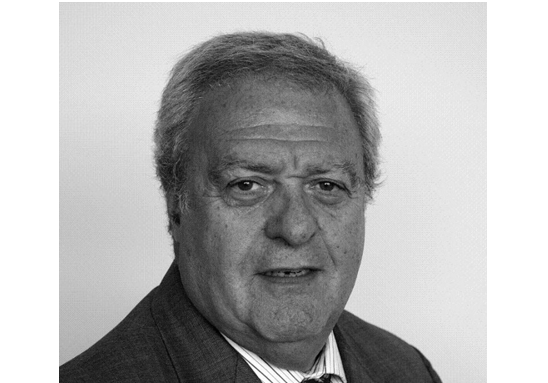
Colombia Clara Isabel Rodríguez, Executive Director of the Colombian Association of the Pharmaceutical Industry (ASCIF), shares her journey from public sector leadership to industry advocacy. With deep experience in health regulation and public administration, Rodríguez reflects on Colombia’s pharma landscape, the challenges of ongoing health reform, and why local manufacturing is…
MEA A selection of top stories coming out of the Middle East and Africa’s pharma sector: Egypt’s Gypto Pharma partners with US drugmaker Dawa to expand the local production of medicines; Jordan’s Hikma makes a USD 1 billion investment pledge for US manufacturing and R&D, and Riyadh-headquartered private equity firm Jadwa…
Saudi Arabia Localising the production of medicines has become a core priority for the Saudi government over the past decade as it attempts to increase national health security, create highly skilled jobs, and grow the non-oil economy. Multinational innovators now have a wide range of incentives (as well as enforcement tactics) to…
See our Cookie Privacy Policy Here