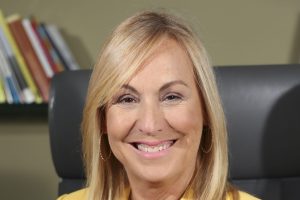
Yandia Perez is the executive vice president of the Puerto Rico Manufacturers Association (PRMA), an organization celebrating its 95th anniversary and dedicated to fostering a strong manufacturing ecosystem on the island. Under her leadership, PRMA has prioritized not only the pharmaceutical sector, which constitutes about 30% of Puerto Rico's GDP, but also the broader manufacturing landscape, which accounts for roughly 50%. Perez emphasizes the importance of collaboration with local stakeholders and the government to enhance research and development capabilities and strengthen infrastructure, particularly energy systems, to attract more investments. With a unique blend of business acumen and strategic vision, she is committed to ensuring that PRMA supports its diverse membership, which spans various sectors including aerospace, electronics, and food production, by promoting education, networking, and advocacy. Through these efforts, she aims to position Puerto Rico as a compelling destination for global investors while highlighting the island's rich cultural and industrial contributions beyond just pharmaceuticals.
To begin, could you introduce our global readers to PRMA and outline the key priorities on your agenda?
PRMA, or the Puerto Rico Manufacturers Association, is celebrating its 95th anniversary this year, having been established in 1928. The organisation was founded with the goal of fostering an ecosystem conducive to the manufacturing sector in Puerto Rico.
In the early days, federal incentives were introduced to attract manufacturing companies from the U.S. to set up operations on the island. This was particularly important as Puerto Rico was transitioning from a struggling economy to a more industrialised one, mirroring trends seen across the U.S.
A group of entrepreneurs and industry leaders came together to develop the necessary regulations and platforms to create an environment that would encourage businesses to invest in Puerto Rico. This led to the formation of the Department of Economic Development, known as DDEC, which has had several of our past presidents involved in its initiatives to leverage these incentives effectively.
Over the years, our focus expanded beyond American companies to attract international firms as well. PRMA has consistently played a vital role in providing legislative feedback and facilitating the exchange of information that is crucial for the government’s efforts to attract and retain the manufacturing sector.
While we initially catered to a variety of industries, we eventually became a significant hub for medical devices. The appeal of being a U.S. territory, combined with our English-speaking, well-educated workforce—thanks to strong local universities in engineering, technical, and business fields—has made Puerto Rico an attractive destination for manufacturers.
Our association has always aimed to collaborate with stakeholders in the ecosystem, helping companies enhance their capabilities to remain competitive. Interestingly, countries like Singapore, Ireland and other latin American countries have looked to Puerto Rico as a benchmark for their own manufacturing models, seeking to understand the factors contributing to our success.
Ultimately, PRMA’s mission is to support the economic development of Puerto Rico by strengthening our members through benchmarking, best practices, attractive incentives, and access to capital, all while ensuring that Puerto Rico remains a prime location for business.
It is clear that the healthcare, life sciences, and pharmaceutical sectors are crucial to your association. Can you elaborate on their significance to Puerto Rico’s economy and whether it is risky to have such a large portion of the economy dependent on these sectors?
In Puerto Rico, around 30% of the GDP comes from the life sciences industry, while the entire manufacturing sector contributes about 50%. This wasn’t a deliberate plan but rather a result of our economic model, which attracted companies to Puerto Rico and fostered a strong local ecosystem of suppliers and services, including tourism, although tourism contributes less to income.
What do you see as future trends for manufacturing here, and how is PRMA positioning itself to take advantage of them?
We are collaborating closely with Invest Puerto Rico, which is focused on attracting investment in key sectors, especially pharmaceuticals. Given our strong foundation with major pharmaceutical companies, it is easier to expand that ecosystem. We also recognize the importance of enhancing research and development, as we can’t rely solely on traditional manufacturing. Expanding R&D capabilities will help us create more sustainable healthcare solutions.
What are the top priorities on PRMA’s agenda for the manufacturing sector, particularly regarding infrastructure and the business environment?
A major priority is strengthening our energy systems. Puerto Rico has faced challenges from hurricanes and economic downturns that have impacted our energy infrastructure. We need a reliable and resilient energy system to attract investments.
Additionally, we focus on improving the ease of doing business, which includes streamlining permit processes, ensuring compliance with tax regulations, and enhancing access to essential resources like energy, water, as well as capital. Given our geographic vulnerabilities, bolstering our infrastructure is vital to making Puerto Rico an attractive investment option.
Have there been recent investments in Puerto Rico, and how do you see that trend evolving?
We have seen some new investments, although we are eager for more. The ongoing economic challenges have made it difficult, but many companies are expanding their existing operations here. It is easier to build on established infrastructure than to start anew in a different country, and Puerto Rico offers a familiar (U.S.) regulatory environment, which is a significant advantage compared to other locations.
Given that foreign companies in Puerto Rico are taxed at around 2.43%, which is notably below the global minimum tax rate of 15%, how is your association working to ensure local legislation keeps companies in Puerto Rico competitive compared to jurisdictions implementing this global minimum tax?”
The OECD has established parameters for companies to adopt the global minimum tax, and jurisdictions have options to remain competitive. However, the U.S. isn’t participating in this global minimum tax, which puts Puerto Rico in a unique situation due to its existing tax incentives.
We are proposing legislation that enables companies to remain here with attractive incentives that aren’t solely tax exemptions but can include credits that align with OECD guidelines. Our goal is to make it more cost-effective for companies to stay in Puerto Rico rather than relocate, which involves significant capital expenditures and various challenges.
We are collaborating with key stakeholders to ensure that any new measures implemented in Puerto Rico are competitive enough to retain existing companies while also attracting new ones. It is a delicate balance, especially with the U.S. not adopting the global minimum tax, but we are hopeful we can achieve a solution by the end of the year.
As the global manufacturing sector embraces digitalization, AI, and Industry 4.0, how are Puerto Rico’s academic and training institutions adapting to these trends and addressing the needs of the local market? Additionally, what key talent gaps or opportunities do you see for the workforce in Puerto Rico?
Puerto Rico is actively working to keep pace with the advancements in digitalization and new technologies in manufacturing. While we have a robust infrastructure and state-of-the-art facilities, there is a growing need for a deeper integration of artificial intelligence and other emerging technologies into our manufacturing processes. Many companies here are already implementing these technologies to enhance productivity and efficiency, showcasing a commitment to modernizing operations.
However, there remains a gap in aligning academic programs with the specific skills needed in the industry. Our universities produce highly qualified graduates, but as technology evolves rapidly, we must ensure that their curricula reflect current market demands. Strengthening this connection between academia and industry is crucial for our workforce to remain competitive.
The opportunities lie in not only enhancing technical skills but also fostering innovation and adaptability among our talent pool. For instance, encouraging partnerships between companies and educational institutions can help bridge this gap, allowing students to gain hands-on experience and learn the latest industry practices.
This is our first interview with you, so can you share what brought you to this role and what excites you about it every day?
I was brought on to manage the association with a fresh, business-oriented approach to the association. When they were searching for someone to lead the organization, they sought a resource with a broader perspective—someone who could navigate the complexities of Puerto Rico’s economy and the rapidly changing global landscape. My background in managing large, global health industry companies allowed me to approach the association with a unique blend of business acumen and strategic vision. This is a shift from the traditional profiles of previous leaders, many of whom came from legal or engineering backgrounds.
What excites me daily is the chance to apply my business experience to help the association thrive. My role is not just about managing day-to-day operations, but about ensuring we remain relevant, competitive, and financially sound in a complex environment. I focus on understanding the needs of our members, who come from various sectors—pharma, medical devices, aerospace, electronics, and more—and how to support their growth. This diverse membership is our strength, and I work to create an interconnected ecosystem through advocacy, education, networking, and events.
For me, it is deeply rewarding to see how our efforts contribute to Puerto Rico’s economy. From the fact that 80% of U.S. military uniforms are made here, to our growing role in pharma and aerospace, our island is a key player in industries that have national and global impact. Additionally, we support not just the core manufacturing sectors, but also the critical infrastructure that enables these industries to thrive. This includes members from sectors like insurance, brokerage services, renewable energy, and logistics, all of which play a vital role in sustaining the manufacturing ecosystem. Our work is to ensure that these diverse industries are interconnected, whether through advocacy, education, networking events, or other platforms, so that the benefits ripple across Puerto Rico’s entire economy. This holistic approach is what makes our association a driving force for economic growth on the island. Being able to facilitate that growth and ensure our members have the resources they need is what drives me each day.
What final message would you like to share with our global readers ?
Puerto Rico offers a unique and compelling opportunity for global investors and businesses. Despite being a small island in the Caribbean, measuring just 100 by 35 miles, we have a wealth of resources and a talented workforce ready to embrace innovation. Our people are friendly, resilient, and have a strong business orientation, making Puerto Rico not just a great place to invest, but also a wonderful place to live.
I encourage everyone to come visit, experience our culture, and learn about what we can offer. From a thriving pharmaceutical sector to diverse industries like aerospace, electronics, and even renowned rum production Puerto Rico is more than just a pharmaceutical hub. We have a rich tapestry of products and services that contribute significantly to both our local and the U.S. economies.
One key point I would like to add is the significant role organizations like ours play in ensuring that the private sector remains an integral part of driving economic growth. In Puerto Rico, we have an abundance of talented leaders managing both local and international operations, and their contributions place us on the global map in a variety of industries. Beyond pharmaceuticals, which is a powerhouse here, we are also known for producing iconic products like some of the finest rums in the world. These products, along with military uniforms and cultural exports, such as influential artists like Bad Bunny, reflect the diversity and impact of our industries. Puerto Rico has a lot to offer.