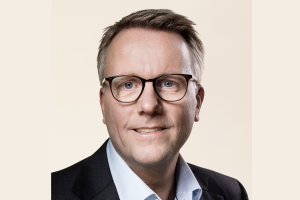
As Denmark sets its sights on becoming a global leader in life sciences by 2030, Morten Bødskov, Minister for Industry, Business, and Financial Affairs, outlines the strategic pillars of the country’s Life Science Strategy Toward 2030. With an unwavering commitment to strengthening Denmark's competitive edge in the face of fierce international competition, Bødskov highlights the government's role in fostering a thriving public-private ecosystem, streamlining production facility establishment, and driving innovation. He also shares his vision for doubling life science exports, enhancing research environments, and creating a future-proof healthcare system, all while making Denmark an increasingly attractive destination for life science investment on the global stage.
Given the existing strong economic output from this sector, why was the development of the Life Science Strategy Toward 2030 necessary?
The international competition is fierce, and the world is changing daily. Therefore, we cannot afford to sit on our hands. It is crucial that we provide the life science industry in Denmark with the best framework conditions to realize its substantial potential. Speed is key, and one of the new focus areas in the strategy is to make it easy, fast, and attractive to establish production facilities in Denmark and invest here.
What key milestones do you expect to be achieved by 2030 in order to label the strategy as a success?
The vision is to be a leading life science nation in Europe by 2030. The strategy will support the sector’s opportunities to double exports by 2030 and aim to ensure that the sector’s solutions contribute even more to creating a coherent, robust and future-proof healthcare system. It is still early days, but I am confident that the strategy – together with the life science industry, healthcare sector, and academia – will deliver on the ambitious goals set in the strategy.
What role will your Ministry play in ensuring the successful execution from the strategy?
The Ministry of Industry, Business, and Financial Affairs will play a central role, but the real strength is that the strategy is much more than just a governmental strategy. A particular strength in Denmark, especially within the life science sector, is the close public-private partnership. A good example of this is Denmark’s national Life Science Council. The strategy was made in close cooperation with the council and they also play a central role in the implementation of the strategy. With both public and private stakeholders, the council’s role is crucial in bringing the strategy’s ambitions to fruition.
Conversely, what are your expectations from industry leaders in terms of commitment to Denmark and the broader growth of the sector locally?
It is my clear impression that the industry views the strategy as a definitive proof that Denmark continues to aspire to be a top-tier life science nation. We – the government and the industry – stand together with the common aim to double the Danish life science exports by 2030 to the benefit of both patients and competitiveness.
In a few words, what makes Denmark an attractive investment destination for life science companies?
The short answer is good, competitive framework conditions, a strong environment for research, and a close public-private collaboration across the entire value chain within life science. And with the new Innovation District Copenhagen, we will strengthen the environment for developing new ideas, and thereby new investments. This makes our overall package for businesses extremely attractive in an international context.
Given the industry’s long term nature and the need for substantial investment in R&D and production, what economic incentives are available for life science companies to support continued in-novation and growth?
Speed and pace have become global competitive parameters. That’s why we have launched the initiative to roll out the red carpet for manufacturing companies. Fundamentally, the initiative aims to make it easier, faster, and more attractive for domestic and foreign companies to establish or expand production facilities here. At the same time, it’s our goal that the new Innovation District Copenhagen will generate more new investments in new life science companies.
What final message would you like to deliver to both the Danish and international life science community regarding Denmark’s commitment to innovation, investment, and collaboration?
Life science is a top priority for the Danish government and for Denmark as a nation. We will continue to improve framework conditions and exploring ways to future-proof the sector. This is also a priority in the upcoming EU presidency, where we will work hard to ensure that the EU will create attractive framework conditions for the sector – for the benefit of all of us. Therefore, my message to both Danish and international life science companies is clear: Keep going. Denmark is ready.