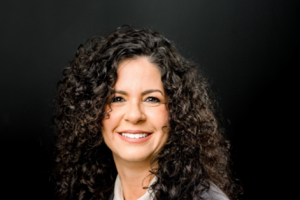
With a uniquely positioned healthcare system and early access to innovation, Puerto Rico has become a proving ground for Organon’s regional ambitions in Latin America and the Caribbean. In a dialogue that spans market dynamics, regulatory complexity, and the evolving landscape of women’s health,
Millie Rivera offers insight into how a small team, guided by purpose and precision, is shaping broader conversations on access, equity, and sustainable growth in women’s health.
It’s a pleasure to meet you, Millie, and above all, it’s refreshing and empowering to see a woman in such an important leadership position in Puerto Rico. Can you tell us a little about how you came to be here?
My path is similar to that of many women: one of great tenacity, preparation, and, without a doubt, growth alongside colleagues who share my values and commitment to health. With over two decades of experience in sales and marketing across Latin America, the Caribbean, and Puerto Rico, I have developed a deep understanding of the market landscape and the cultural nuances that inform effective business strategies. Throughout my career, I have held more than ten positions spanning a range of commercial functions, which has enabled me to lead with both strategic foresight and operational precision. In my current role, I leverage this experience to guide our talented team in Puerto Rico and ensure we are meeting the evolving needs of the local healthcare system.
How has Organon’s footprint in Puerto Rico developed since its launch, and what are the company’s strategic priorities for the market moving forward?
Since Organon’s launch in 2021, Puerto Rico has been a key country for our region, which is known as LAMEX and includes all Latin American countries except Brazil.
However, at first, the local presence was relatively small. At that time, I was leading compliance across the Latin American region while based on the island, and I recognised that Puerto Rico offered a strong platform for expansion. I prepared a business case highlighting the market potential and submitted it to Julio Conejero, Head of the Latin America and Mexico (LAMEX) cluster. He supported the proposal, and what began as a modest commercial structure has since evolved into one of the company’s most dynamic growth stories in the region.
Over the past two years, we have significantly expanded our headcount, contributed meaningfully to local employment, and positioned Puerto Rico as the fastest-growing market within the LAMEX cluster. We delivered high double-digit growth in both 2023 and 2024, and we are fully committed to maintaining that momentum into 2025 and beyond. This will be supported not only by continued portfolio expansion but also by new product launches that are aligned with the evolving needs of the local population.
Our operations in Puerto Rico are exclusively commercial, and Puerto Rico remains a strategic hub for Organon, particularly due to its role in the biosimilars portfolio. It is currently the only market within the LAMEX region where biosimilars are commercialised, which makes it an essential pillar of our regional strategy. Looking ahead, we plan to introduce new therapies in dermatology, osteoporosis and Oncology while expanding our offerings in immunology and gastrointestinal care. Across all these efforts, our aim is to increase access to affordable, high-quality treatments, strengthen our contribution to public health, and reinforce our long-term commitment to the Puerto Rican healthcare ecosystem.
In what ways is Puerto Rico supporting Organon’s regional objectives, and what specific unmet needs in women’s health are being addressed locally?
Puerto Rico plays a pivotal role in driving significant growth not only within the Caribbean but across the broader LAMEX region. This position is set to continue in 2025, particularly as our leadership in biosimilars allows us to share best practices with other markets preparing for launch, ensuring they benefit from the insights and infrastructure established here.
However, our contribution extends well beyond biosimilars. Puerto Rico has evolved into a full-scale commercial operation with active portfolios in fertility and women’s health, delivering consistent performance across all areas. Despite a sharp decline in birth rates over the past decade, from approximately 50,000 to 18,000 births annually, over 60% of pregnancies remain unintended. This highlights the continued need for access to reliable and innovative contraceptive methods and educational resources that support informed reproductive decisions.
Simultaneously, infertility is a growing concern. An estimated 10 to 15% of couples face fertility challenges, yet treatment remains largely inaccessible due to high out-of-pocket costs. In response, we are focused on expanding patient access through a combination of discount schemes, patient support programmes, and affordability initiatives aimed at enabling women to complete their treatment cycles and pursue the possibility of motherhood with dignity and choice.
What our team has achieved in Puerto Rico is a standout example within the region. The market has advanced well beyond expectations, becoming one of the highest-performing within our network. We have built a balanced and robust portfolio and executed it with exceptional precision. As a result, Puerto Rico has become both a reference point and a source of inspiration for our teams across Latin America.
What role do biosimilars play in your growth priorities for the island?
One of our most important growth areas in Puerto Rico is the biosimilar portfolio, which has become a central pillar of our business here. The market has shown a strong receptiveness to these high-quality, cost-effective therapies, and we are committed to continuing their expansion. By combining access to innovative biologic alternatives with a strong focus on women’s health, we aim to support better clinical outcomes while also contributing to a more sustainable healthcare environment.
What are the most critical challenges facing Puerto Rico’s healthcare system today, and how is the pharmaceutical industry helping to address them?
While Puerto Rico has enormous opportunities, like any other region, we face significant challenges, the solutions to which involve working together with authorities, medical and social organisations, and the population.
In this sense, one of these challenges is a growing shortage of physicians, a situation that, if left unaddressed, could evolve into a critical access crisis over the next ten years. The healthcare workforce deficit has been substantiated through multiple industry-wide studies, and its implications are already being felt across the system. In response, the pharmaceutical industry has taken an active role in shaping the conversation around long-term solutions. As a PIA board member, I am engaged in collaborative efforts with the government and the fiscal oversight board to ensure that the private sector contributes meaningfully to shaping healthcare access strategies, particularly for women, who are often disproportionately affected.
This is not a challenge with a quick remedy; rather, it requires a coordinated and multi-layered approach that addresses immediate system gaps while planning for sustainable, long-term transformation. From improving patient access and supporting specialist availability to advocating for more equitable funding models, the industry stands committed to helping build a healthcare framework that is both resilient and responsive to the needs of Puerto Rico’s population.
What is Puerto Rico’s relevance in global clinical research, and how is Organon advancing gender representation in the development of new medicines?
Puerto Rico has long been recognised as a strategic site for clinical research, owing to its regulatory alignment with the US FDA, its high operational standards, and the demographic diversity of its population. These characteristics have made the island an attractive location for multinational trials across the pharmaceutical industry. Organon currently conducts one clinical trial in Puerto Rico, reinforcing our commitment to contributing meaningfully to global research from this part of the world.
Equally important is the imperative to strengthen gender representation in clinical development. Women comprise more than half of the population in Puerto Rico, and yet, for decades, their distinct physiological responses to treatment were underrepresented in research data. Today, as women’s health advocates take a more prominent role in shaping scientific agendas, we are ensuring that clinical trials no longer treat the population as a homogenous group. Women experience different symptoms, metabolise drugs differently, and require tailored consideration in clinical protocols. By insisting on sex-disaggregated data and inclusive trial designs, we are helping ensure that future innovations reflect the biological and experiential realities of the women they are meant to serve.
What has been your approach to fostering culture and engagement at Organon, and how does Puerto Rico compare in scale and performance within the region?
In Puerto Rico, those same values have taken root in a way that is both personal and collective. We are a small team with ambitious goals, and our approach has been defined by unity, ownership, and pride in what we are building together. “Rising together” has become more than a guiding value; it is a lived experience that shapes how we support one another and deliver on our commitments. Establishing Organon’s presence on the island from the ground up has been a source of genuine pride for us, and that sense of purpose continues to inspire our work. It is this combination of cultural cohesion and shared ambition that enables us to contribute meaningfully, not just to the company’s success, but to the health and well-being of the communities we serve.
What are your strategic ambitions for the next five years, and how does Puerto Rico support Organon’s broader regional development and knowledge-sharing goals?
Our focus for the coming years is on deepening our presence through both product expansion and team growth. As new products receive US approval, they become available on the island, and we are preparing to launch these therapies while continuing to grow our presence. However, scaling must not come at the expense of culture. From the beginning, we have built a team defined by authenticity, collaborative spirit, ownership, and shared ambition, and preserving that culture is essential to everything we do. Puerto Rico is often the first market in the region to launch new products, and this leadership role enables us to share our learnings with neighbouring affiliates, helping them implement smoother and more informed launches. Our market is evenly balanced, with approximately 55% of our activity in the public segment and 45% in the private sector, both of which are equally critical to our strategy. Fertility remains an exception, as it is fully out-of-pocket, but in all other therapeutic areas, our focus is to grow responsibly while enhancing access and ensuring that every patient segment is served with integrity and purpose.
As a final thought, what message would you each like to leave with our global readers?
Organon was created with a clear and compelling purpose: to improve the health of women every day. Now that we are firmly established in the market, we are not only delivering treatments that address critical unmet needs but also assuming a broader role as advocates for gender equity in healthcare, an issue that lies at the heart of achieving true health equity in every society. I am immensely proud of what we have accomplished, particularly in Puerto Rico, where we have built a vibrant, values-driven organisation. Looking ahead, our focus remains on continued growth, ensuring that women’s voices and experiences shape the future of healthcare. The opportunity before us is significant, and we are well-positioned to deliver on that promise, HER promise.