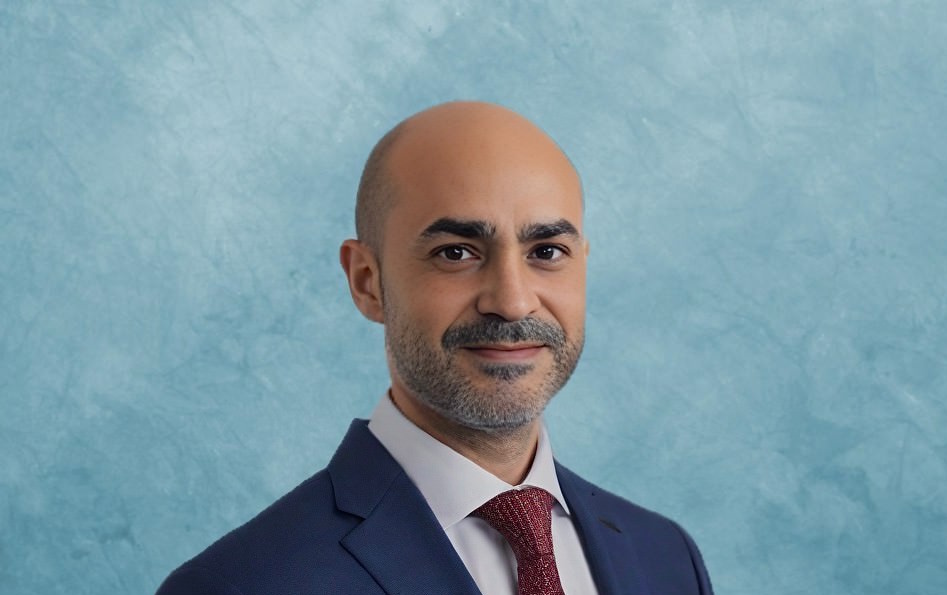
DECA is a consulting firm founded in 2022, focused on helping businesses in Puerto Rico access non-dilutive financing incentives, such as federal grants, local grants, and monetizable R&D tax credits. The firm leverages Puerto Rico’s unique financial framework, including Act 60, to streamline the process for both local and foreign companies. Colton Wandke, CEO, and Aurelio Fuentes, Co-Founders and Partner, bring expertise in supporting innovation-driven businesses, helping companies navigate the complexities of securing financial incentives and fostering growth, particularly in the life sciences and technology sectors.
To begin, could you introduce the company and explain its core business and strategy to our global audience?
Colton Wandke (CW): DECA was founded with the aim of assisting companies in Puerto Rico to access non-dilutive financing incentives. At the heart of our business is the utilisation of Puerto Rico’s unique operational advantages, specifically the incentives available to both local and foreign companies. Our role is to help these companies access those incentives.
The primary incentives we focus on include federal grants, local grants, and monetizable R&D tax credits. For many companies here, navigating this process can be quite challenging. The R&D tax credit process, for example, is a once-a-year filing event, and it is not uncommon for companies that attempt it independently to encounter difficulties.
We recognised this challenge and decided to pool together expertise from across the island to create a unified service offering that streamlines these processes. Our dedicated team now handles all the core components required to ensure companies successfully receive these incentives.
The foundation of our company was laid in 2022, which was our first year of operations with this team. Although we are relatively new, we have grown rapidly, and today, we have about 35 full-time team members. Our growth has been organic, and Aurelio Fuentes and I have bootstrapped this venture with the help of a fantastic team of talented individuals who have joined us on this journey.
Can you briefly explain Act 60, its key benefits, and why it is so attractive to global businesses, especially in relation to the services DECA offers for tax compliance and incentives?
CW: Act 60, like the predecessor incentives codes, is an agreement between companies and the government of Puerto Rico, which governs the unique incentives available here. The reason Act 60 is possible is due to Puerto Rico’s unique status. Although we are considered domestic in many aspects, such as law, intellectual property protections, and regulations like those from the FDA, Puerto Rico is treated as a foreign jurisdiction for tax purposes.
As an incorporated territory, we are an autonomous tax jurisdiction, separate from the traditional IRS taxation on the mainland US. This allows Puerto Rico to enact laws that specifically impact the tax and financial environment of the island, which is what led to the creation of these incentives.
Previously, there were multiple individual incentive laws for different industries and activities, but Act 60 consolidated all of these under one unified code.
Aurelio Fuentes (AF): This streamlining has made the process much simpler and easier for people to understand, as all the incentives are now under one roof, organised by chapters rather than by separate laws tied to specific industries.
Puerto Rico has long been recognised as a global hub for the pharmaceutical industry, and the government understood early on the importance of creating these incentives to attract businesses here. Moreover, Puerto Rico has invested heavily in training its local workforce, especially in STEM fields. In fact, we now have one of the highest per capita rates of STEM graduates, surpassing many states in the US.
So, it is not just about the incentives; it is the combination of attractive tax laws, local talent, and Puerto Rico’s close relationship with the US that makes it an ideal location for global businesses.
What role does the life sciences industry play in your business today?
CW: Life sciences is actually the largest segment of our client base, encompassing a range of pharmaceutical and biotechnology companies. These companies, whether in early or late-stage R&D, are often heavily reliant on research and development. To continue their operations, they need to secure funding, either from operational cash flow, equity capital, debt, or grants. This is where we come in – bridging the gap between innovation and funding. At DECA, we don’t just help companies access capital; we provide the strategic expertise and execution that ensure life sciences firms can fuel their breakthroughs, sustain growth, and navigate the complexities of financial and regulatory landscapes with confidence.
We help these companies navigate the complexities of securing non-dilutive funding, such as federal grants, local grants, and monetizable R&D tax credits that are unique to Puerto Rico. Our role is not only to ensure that companies are properly set up and compliant with the requirements of Act 60 but also to help guide them through the process in a timely manner, maintain compliance, and access these crucial incentives.
At DECA, our core business focuses on four key service areas. The first is foundational setup, which includes everything from incorporation, permits, and licensing, to international tax planning. This applies to both local companies and those relocating to Puerto Rico, whether from the mainland US or other jurisdictions.
The second area is securing an Act 60 incentives decree. We help businesses by managing the entire application process, from initial eligibility assessments to preparing the documentation package, all the way through final acceptance of the incentives decree.
Our third area is tax and operational compliance. Once a business is up and running in Puerto Rico, there are ongoing monthly, quarterly, and annual filing requirements. Our CPA-led tax division assists companies that don’t have internal teams to stay on top of these obligations and ensure they remain compliant with their tax obligations and incentives decree.
Finally, the fourth area is helping companies access non-dilutive capital. But before we can do that, we make sure that all foundational, incentive, and compliance processes are in place, ensuring that the company is in good standing and fully prepared to attract the capital it needs to grow.
How do international companies navigate capital access challenges here compared to larger financial markets?
CW: Puerto Rico’s capital market isn’t yet as robust as those in larger jurisdictions. This has certainly been a challenge for local businesses, though efforts are underway to improve the situation. However, for many international companies, the challenge isn’t so much the lack of local capital, but rather navigating how to best allocate resources and fund operations in Puerto Rico.
A lot of businesses relocating here, especially those from foreign jurisdictions, typically set up subsidiary operations in Puerto Rico. This model allows them to raise capital in other, more established financial markets and then allocate a portion of those funds to their Puerto Rico subsidiary operations. For example, we see many clients that have a Delaware C Corporation as their parent entity. They raise venture capital into that entity and then allocate part of those funds to their subsidiary in Puerto Rico, which focuses on R&D.
In essence, these companies are integrating their Puerto Rican operations into their broader global financial planning, ensuring that the capital they raise is allocated strategically to support research and development activities here, while benefiting from the unique incentives that Puerto Rico offers.
Puerto Rico has certainly seen significant growth from a private investment standpoint, particularly with a rise in high-net-worth individuals engaging in angel investing. On the debt side, we also have financial institutions that are contributing to the ecosystem. Many of these innovators in the financial markets are exploring ways to enable even more private investment into Puerto Rico.
How has the investment community in Puerto Rico evolved in recent years?
AF: In recent years, the investment community here has evolved dramatically. There is been an influx of individuals who bring valuable expertise—many are experienced capital markets professionals from the US who have relocated to Puerto Rico. They see the opportunities here and are eager to contribute.
This growing community isn’t just about businesses arriving—it is about the business founders, their C-level executives, and the whole ecosystem they bring with them. This has led to stronger ties within local communities, academia, and non-profits like MSRC, Parallel, and the Science Trust. The level of support we are seeing is really encouraging.
CW: While Puerto Rico may not have as many traditional VC funds or large private equity funds like those in other jurisdictions, there is a significant amount of activity from sophisticated individual investors. These investors often pool their resources and make strategic investments. It is not always newsworthy since these investments don’t come from traditional large-scale venture capital firms, but there is a lot of private investment happening, which continues to grow.
Do you see a trend in terms of whether investors are mostly Puerto Rican or from other regions? What is the trend you have noticed?
CW: It is definitely a mix. On one hand, you have local investors—successful former business owners who may have exited their businesses and are now reinvesting into new opportunities. On the other hand, there are many individuals who have relocated from the U.S. or brought their businesses here and are also investing back into the island. Puerto Rico has become a magnet for entrepreneurship, attracting both local and foreign entrepreneurs. These investors are involved not only in starting new businesses but also in funding them.
AF: For example, when we speak to investors about some of the incredible work being done here, we highlight companies like Cytoimmune Therapeutics, who have been making great strides, particularly in NK cell therapies. Then there’s OyconBio, which is building a major hub for gene and cell therapies. MBQ Pharma is another team making great advancements in cancer research. These are just some of the vibrant and innovative businesses that investors might not always hear about, but they demonstrate the creativity and potential of Puerto Rico’s business ecosystem.
Are there any misconceptions that international companies have about doing business here that you often have to clarify?
CW: Every jurisdiction has its challenges, and Puerto Rico is no exception. Given its unique status as both a US territory and a foreign tax jurisdiction, it does create some complexities. The fact that Puerto Rico is domestic in some respects but foreign in others can be a bit confusing, especially for international companies unfamiliar with the island’s legal and tax framework. But that is why we created DECA—to help navigate those nuances and make it easier for companies successfully establish a presence here.
Another misconception is that the process of accessing incentives and permits in Puerto Rico might be slow or overly bureaucratic. While this is a fair critique and has been the case in the past, there are ongoing efforts by the government to digitize and streamline these processes. We are seeing positive progress in this area, which is going to make it much easier for companies to set up and operate here. It is not perfect yet, but it is on a very positive trajectory. The local government is really focused on improving the business environment, which is also beneficial for Puerto Rican entrepreneurs looking to start their own businesses.
The government has been quite proactive in helping businesses. How significant has BioLeap, the Bioscience Incubator, been in assisting companies in scaling and driving innovation?
AF: BioLeap has been a significant player in this space. They brought in a major accelerator for the life sciences sector. One of the key differentiators is that BioLeap focuses specifically on life sciences, which is one of Puerto Rico’s strongest industries. This more targeted approach allows young companies to join an accelerator tailored to their needs, rather than being placed alongside companies from different sectors like software development or manufacturing.
By bringing these companies under one umbrella dedicated to life sciences, BioLeap streamlines the process and helps foster collaboration among peers. This setup allows companies to exchange ideas, share insights, and spark innovation within the industry.
CW: While there is indeed capital available in Puerto Rico, accessing it can sometimes be a challenge. As I mentioned, it is not typically large-scale venture capital, but rather smaller funds or individual investors looking to support specific projects. If you are not already connected to the local investment ecosystem, it might be harder to raise funds. However, there are initiatives to help bridge that gap. For instance, Invest Puerto Rico created a digital platform called Impeller, where companies can list their projects and connect with individual investors interested in supporting them. Since launching Impeller, many new projects and companies have been able to connect with investors and secure funding.
How long does it typically take for a company to become operational in Puerto Rico, and what are some of the challenges that smaller companies face during this process?
CW: The time it takes to get a business up and running varies, especially depending on the size and stage of the company. Larger, well-established companies with robust teams and a site selector team can typically get up and running relatively quickly. However, smaller companies often need more assistance, as there is a lot to navigate in Puerto Rico—from permits to tax requirements and understanding the local landscape.
AF: In addition to the logistics, there is a strong emphasis on compliance. As we have mentioned, it is a two-way street. The government offers fantastic incentives, but businesses must also fulfill their part of the agreement, which includes a commitment to create a minimum amount of jobs and stay compliant with all reporting requirements. While this may sound daunting, the process is manageable with the right support. That is why we exist—to guide companies through this process.
Moreover, the government, in collaboration with the private sector and NGOs, has been proactive in providing seminars and training, helping business owners understand what is needed to stay on track. Whether you are a small business owner or a multinational corporation, the process is the same, and it is essential to follow it. If you are not well-informed and don’t seek guidance, there is a risk of falling into non-compliance, which could lead to challenges down the line.
What is the growth potential for specialized service companies like DECA?
CW: Specialized consulting is definitely on the rise. In Puerto Rico, there are numerous opportunities in specialized services, whether it is logistics, energy efficiency solutions, or other niche markets. For example, we are seeing innovative providers who are taking byproducts or waste materials and converting them into new revenue streams or energy sources. There is a lot of potential for companies that can solve unique challenges.
This is exactly the type of market that our business thrives in. We identified a very specific challenge and developed a process to solve it, making it more efficient for companies to outsource these tasks rather than building a full internal team.
AF: Additionally, when it comes to industries like pharmaceuticals, the growth of these companies also creates opportunities for specialized service providers. For instance, when a pharma company sets up in Puerto Rico, they need services like cleaning, sanitizing their facilities, building clean rooms, and installing highly technical machinery. These services not only support the pharma companies but also positively impact the local economy. The collaboration between the government, private entities, and NGOs creates an ecosystem where companies like ours can thrive, creating a more robust and resilient Puerto Rico.
Looking ahead, how do you envision DECA’s growth?
CW: We have seen significant growth over the past few years, and we anticipate this continuing as more new entities come to Puerto Rico and as local entrepreneurs establish new businesses here, particularly in life sciences and other technology sectors.
A unique growth opportunity for us lies in shifting towards technology-enabled consulting. Since the late 2022, we have been heavily investing in research and development for our own technology creation. What we mean by this is that while we will always maintain a human-centric approach—meaning experts will continue to guide our processes—we have developed and are continuing to develop proprietary tools that will allow us to supercharge our team. These tools will amplify our service capabilities, making them exponentially more efficient.
Essentially, we are productizing various components of our services to streamline the completion of processes, access incentives, ensure compliance, and provide even more value to our clients. In order to build and to launch successful technology, you need to have experts who deeply understand the processes behind it. We are bringing in both internal and external experts to train systems and create robust products.
AF: Our process has been to hire or partner with the island’s leading experts to train the AI systems and build the workflows. It isn’t about just uploading the laws and regulations to a large language model. There are so many additional complexities and knowledge requirements to do this properly. We have been patient and strategic in building our software platform. We are excited to officially roll out the technology this year.
Do you have the local talent pool to support this growth?
CW: The majority of our team is local to Puerto Rico, which is a great advantage. We also have some people who have relocated to Puerto Rico, but the majority of our team members are Puerto Ricans. We have been able to hire top talent across a variety of fields, including tax professionals, developers, experts in incentives, scientists, and professionals from the financial sector. The diverse skill sets we have brought together are key to solving the challenge of efficiently accessing non-diluted funding in Puerto Rico.
AF: What sets us apart is the unique combination of expertise we bring to the table. For example, we have the talent who have real on-the ground experience, including one of the original architects of Puerto Rico’s R&D program who ran it for 17 years. There is a lot of misinformation on Puerto Rico’s incentives and it is so important to work with firms that have the actual resources to successfully support the entire incentives life cycle.
Our goal is to make sure our team is the best on the market, and that commitment to excellence is reflected in the quality of our services. It is not just about having lawyers or financial professionals; we also need expertise in manufacturing and product development to serve our clients effectively. That is what differentiates us—bringing together experts from different fields to tackle this singular, yet complex problem.
In a nutshell, what would you say are the competitive advantages of doing business in Puerto Rico?
CW: One of the most compelling competitive advantages of doing business in Puerto Rico is the unique financial incentives, particularly the R&D tax credits. Puerto Rico offers a tax credit up to 50 percent on eligible R&D expenses, and these credits are monetizable, meaning companies can convert them into cash to reinvest in their R&D operations. This system significantly reduces the financial burden of R&D, whether for large corporations or smaller start-ups. For example, a company investing USD one million in qualified R&D could receive a USD 500,000 tax credit, which can be sold to another Puerto Rico taxpayer for cash, providing immediate funding to fuel further innovation. Typically, these credits trade for USD 0.90+ per USD 1.00 in credits. In the example I gave, this would result in the purchaser receiving USD 500,000 of credits toward their tax liability and the R&D company receiving USD 450,000 in tax-exempt proceeds. Additionally, companies can leverage their federal grants alongside local tax credits, which further stretches their capital and reduces investment risk. This combination of incentives helps businesses de-risk their R&D projects, making Puerto Rico an especially attractive jurisdiction for companies looking to maximise their R&D investments.
AF: Beyond the financial incentives, Puerto Rico offers a highly skilled talent pool that is a major advantage for businesses. We have strong collaborations with local universities, fostering a robust pipeline of talent in science, engineering, and technology. The island’s education system focuses on bilingualism and math, essential skills for the tech and life sciences sectors. Many professionals who once sought opportunities abroad are now staying in Puerto Rico due to the growing job opportunities. Puerto Rico’s proximity to the US is also a significant advantage, being around 1,000 miles from the mainland, and as a US territory, everything here is considered “Made in the USA.” Moreover, Puerto Rico is a leader in higher education and digital skills in Latin America and the Caribbean, making it an ideal place to establish businesses, particularly in R&D sectors that require specialized talent. The combination of incentives and world-class talent creates a thriving environment for businesses to innovate and grow.
To start wrapping up, what would you like to be your final message for our global readers?
AF: From my side, I would say: We’re here to guide you through the opportunities, incentives, and benefits of operating on the island, ensuring a seamless and efficient process. In a rapidly evolving global landscape, our mission is to help companies not only achieve their goals but also thrive. More than just consultants, we aim to be long-term partners, fostering growth and strengthening the business ecosystem in Puerto Rico for years to come. Contact us to discover how Puerto Rico can be a strategic advantage for your business
CW: To sum up, we are here to empower innovation on the island. We have brought together all the best resources to support companies, de-risk their investments, and help them succeed. Puerto Rico is home to some ground-breaking R&D, from cancer research to new medical devices and innovative technologies. Our mission is to get the word out to those who may not be familiar with Puerto Rico yet, so they can consider the island as a viable option when expanding or innovating.
Whether you are in early-stage development or advanced-stage R&D, Puerto Rico has a very attractive framework that supports innovation across all industries—whether that is life sciences, manufacturing processes, or technology development in general. The regulations here are designed to be robust, so companies in various sectors can take advantage of these opportunities.
Puerto Rico is much more than just a beautiful destination; it is a place where innovation is happening, and we want to make sure the world knows about it. If you are considering where to expand, Puerto Rico should absolutely be on your shortlist.