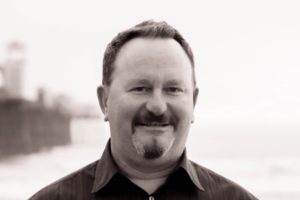
Matt Heck, founder and CEO of Sentynl Therapeutics, outlines the company’s acquisition-led rare disease strategy following its integration into Zydus Group in 2017. He discusses building a focused portfolio of life-extending paediatric therapies, leveraging orphan drug incentives, prioritising early diagnosis, expanding internationally, and partnering closely with patient foundations to maximise sustainable global access and long-term clinical impact.
Could you introduce your professional background and outline Sentynl’s evolution, particularly its integration into the Zydus Group and the strategic rationale underpinning that journey?
By way of background, I have been active in the San Diego life sciences community for over 30 years. The earlier part of my career focused on the commercial side of the industry before I was thrown into the fire with my first start-up. That initial San Diego-based venture was fast-paced and served as an incredible learning experience. From there, I went on to found and co-found multiple pharmaceutical start-ups. Sentynl, which I founded in 2012, was acquired by Zydus Group in January 2017. Since then, we have been operating together for nearly nine years with a unified vision of how to build this business over time.
With Sentynl, our mission focuses on niche, underserved disease states rather than the mass-market categories we navigated in previous businesses. We have always sought out underappreciated therapies and unmet needs within specific disease states. At Sentynl we are applying that philosophy strictly to rare diseases. Rare disease fits this approach perfectly as it presents significant challenges to solve alongside substantial opportunities.
One pattern we identified early in our rare disease pursuit involved innovators holding one approved product alongside a development pipeline, essentially trying to operate as two distinct types of companies. Typically, growing organisations excel at one or the other. Because our expertise lay heavily in commercialisation, we would approach these companies to acquire their approved products. In our view, we could provide a more dedicated effort, particularly when integrating the product into a focused commercial portfolio. It was a natural fit and a successful, replicable pattern.
However, I would not do the story justice without acknowledging our exceptional team. I have worked with many of our staff across multiple companies and some for over 30 years. We currently have 20 personnel, and together we provide access to these critical medications more than 40 countries globally. Our products are life-extending which means once a patient begins chronic therapy, we must guarantee a continuous supply. It is a heavy lift and a profound responsibility. The disease states and distribution channels are immensely complex, and we simply could not succeed without the dedicated experts on our staff. They genuinely care, and it reflects in the daily impact we make on patients’ lives.
How do you go about evaluating the right opportunities for bringing assets into Sentynl’s therapeutic portfolio?
To begin, we navigate the FDA regulatory orphan drug database to review all orphan drug designations, which demarcate rare disease product candidates. That is the most concise way to describe our initial search mechanism.
The secondary phase involves assessing strategic fit. Over 50 percent of those designations are likely within oncology, which is not our primary area of focus. We filter the remainder to locate our thematic focus, which currently spans paediatric neurology to metabolic disorders. That said, we remain open to expanding into other disease states in the future.
Could you walk us through your different assets, the synergies that exist between them within the paediatric neuroendocrine space, and the specific patient impact each therapy has delivered?
It is important to highlight the unifying theme of our three commercial therapies. Each treats a fatal genetic paediatric disease, and each represents the first novel compound approved for its respective indication. It is a highly novel portfolio with a tight thematic focus, which was not easy to assemble. For two of these diseases, the average life expectancy without treatment is around three years or less. Therefore, early diagnosis and early treatment intervention are absolutely key. Every hour and every day counts. We operate by the principle that “time is brain,” which means if a patient is left untreated, irreversible neurological deterioration will occur. Speed to treatment is critical.
Regarding our product line-up, our first commercial asset was our first approved treatment for MoCD type A, which we acquired from BridgeBio. It was their sole commercial asset at the time, fitting our core strategy perfectly. This condition is a sulfite overload disorder leading to intractable seizures, irreversible brain damage, and ultimately mortality. Fosdenopterin, is a substrate replacement therapy that reduces sulfite levels and improves overall survival. The key to optimal outcomes is early diagnosis and treatment, which frequently occurs in the neonatal intensive care unit. Therefore, we must deliver the product there rapidly.
The best outcomes typically arise when there is a family history and a suspicion of the disease leads to early diagnosis via genetic testing, in some cases prior to birth. In those instances, we can have fosdenopterin waiting for administration literally minutes from birth. There are truly heart-warming stories of multiple patients on this treatment who have been able to attend grade school, which is a milestone that would otherwise have been impossible. I regularly connect with one doctor from Israel at conferences who treats one of these young patients, and stories like his are exactly why we do what we do.
Our second commercial product is an approved treatment for Hutchinson-Gilford Progeria syndrome and certain progeroid laminopathies, acquired from Eiger BioPharmaceuticals. The active ingredient, lonafarnib, was originally investigated by Merck for oncology applications. . The condition is an ultra-rare, fatal paediatric disease caused by LMNA gene mutations, leading to rapid, premature ageing in children. Symptoms include hair loss, aged skin, and severe cardiovascular disease, which generally causes early mortality. Without treatment, average life expectancy is approximately 14.5 years. Treatment with lonafarnib reduces mortality by about 30 to 40 percent, depending upon the observational follow-up period.
Our third commercial product, a copper-histidinate therapy for the treatment of Menkes disease, was approved by the FDA on January 12 during this year’s J.P. Morgan Healthcare Conference in San Francisco. It was arguably one of the best days of our collective careers here at Sentynl, and more importantly, it was a monumental day for the Menkes disease patient community who finally have an approved treatment.
This approval was a long time in the making. Our team demonstrated immense dedication, having to complete the rolling new drug application in late 2024 and refile it in November 2025, working straight through the holidays. I want to make sure to extend my deep gratitude to them.
Menkes disease is a neurodegenerative disorder caused by a genetic defect that impairs a child’s ability to absorb copper. The disease is characterised by seizures, failure to thrive, developmental delays, and intellectual disabilities, affecting multiple bodily systems. Symptoms typically manifest in infancy, and untreated patients rarely survive past age three. Menkes is an ultra-rare disease, predominantly affecting young boys.
Our product is a copper replacement therapy that delivers the mineral in a form that bypasses the genetic absorption defect in the intestines. In the primary clinical study, children who commenced treatment within four weeks of birth experienced a 78 percent reduction in the risk of death compared to untreated individuals. Nearly half of the early-treated patients survived beyond age six, with some surviving beyond age 12. We are aware of patients who have graduated from university, and I believe the oldest known patient is currently around 21 or 22 years of age.
As with all of our products, there are both risks and benefits, and healthcare professionals should carefully assess approved labelling when considering whether to prescribe them to our patients.
What do you consider to be the critical success factors for reaching patients, ensuring rapid market access, and facilitating immediate treatment intervention in the ultra-rare space?
We have learned that one size does not fit all. Every disease state has unique nuances, ranging from diagnostics to distribution and market access. Therefore, we approach each condition in a highly customised manner.
The diagnostic component is arguably the most critical element, particularly for Menkes disease or MoCD Type A, as these patients are frequently missed. Disease awareness campaigns directed at neonatal intensive care units, paediatric neurologists, geneticists, and genetic counsellors are vital. This encompasses tracking family history and carrier status. Simply put, if you cannot find the patient, you cannot treat them. And if you cannot treat them early enough, patient outcomes are significantly impaired.
Therefore, key success factors rely heavily on multiple diagnostic initiatives, and new-born screening is crucial. Companies typically work to get diseases added on to the Recommended Uniform Screening Panel in the US on a state-by-state basis which is an arduous task. As we work on diagnostic initiatives, we e have consulted with advisors formerly with Genzyme, whose expertise has been invaluable. Another essential initiative is ensuring that relevant genes are listed on key laboratory panels with the largest global diagnostic providers.
Thirdly, we are actively involved with rapid whole-genome sequencing initiatives. Integrating products into new-born screening can take up to 10 years from the creation of an assay, so whole-genome sequencing offers a critical alternative. Finally, we actively seek biochemical bedside tests that can deliver a rapid turnaround or identify markers to swiftly confirm or rule out the disease. A culmination of diagnostics, disease awareness, patient advocacy, and finding the right regional partners are all essential to ensuring patients in need have access to these critical treatments.
Coming off your recent approval, do you have plans in place to reach Menkes disease patients beyond the US?
We are currently in the process of launching our copper replacement therapy in the US, and we are selectively evaluating our geographical expansion strategy on a country-by-country basis.
In some regions, we will operate through a distribution partner, while in others, we may partner directly with another rare disease company. It is a bifurcated approach designed to ensure optimal global reach.
How do you approach building dedicated teams and integrating the necessary expertise to navigate these complex diseases and scale internationally?
It begins with the core team. I have worked with the majority of our staff across two, three, or even four different companies. That shared history means we inherently trust each other’s expertise, work ethic, and business intelligence in order to execute this model successfully.
Secondly, we strategically engage top-tier consultants. Many are medical doctors with extensive backgrounds in clinical development and research, which is essential given our heavy post-marketing commitments and our transition toward development-stage products. From a regulatory perspective, our external partners have been indispensable in navigating pathways both within and outside the US. As I mentioned, we work with former Genzyme executives who have critically supported our diagnostic and due diligence efforts.
We also dedicate substantial time to evaluating product candidates. We have integrated three products in roughly five years, and we hope to announce a fourth in the near future. This success relies entirely on our collective team, our consultants, and our external partners across distribution, access, and advocacy.
I must also highlight that patient foundations are absolutely critical. There are no greater experts in the field. For instance, the Progeria Research Foundation tracks nearly every diagnosed patient globally. and demonstrate an unparalleled commitment to the community. They have also been instrumental in advancing investigational therapies across the broader spectrum of progeroid laminopathies.
Looking ahead to the new year, what are your immediate priorities for Sentynl? Furthermore, what is the long-term legacy you hope the organisation will leave behind?
Our focus always returns to identifying underserved disease states with profound unmet needs. Whether they are nascent ideas, programmes in development, or existing commercial products, we seek out therapies and integrate them into our commercialisation infrastructure to maximise the patient experience and clinical benefit. Our legacy will be defined by the products we continue to add to our portfolio, as well as the advancements we achieve with our current therapies.
At Sentynl, we constantly strive to improve our products. Whenever we acquire a therapy, we look beyond the base product to explore how we can enhance it for the patient. While some might refer to this as lifecycle management, we view it strictly through the lens of patient betterment. If an existing product cannot be improved, we actively search for the next-generation therapy.
What final message would you like to share regarding your journey with Sentynl? What has it meant for you to found and continue to lead the company as CEO?
The most meaningful aspect of our work is our ability to ensure the ongoing viability of therapies that other companies struggle to either maintain on the market or bring to fruition. This is something we are executing exceptionally well at Sentynl. We continuously work to improve upon the product, the delivery of care, disease awareness, and diagnostics, while expanding access into new geographies.
Knowing that we are addressing fatal, genetic, paediatric rare diseases makes this the most meaningful work imaginable. It is the reason we all get up in the morning. I genuinely feel that what we are accomplishing at Sentynl represents some of our best work yet, and we fully intend to do much more of it.