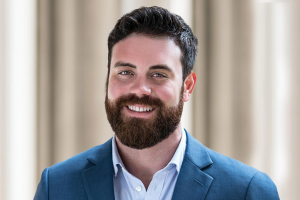
Jake Becraft, Co-founder and CEO of Strand Therapeutics, explains their innovative autonomous medicine platform that targets gene expression for precise cell-specific genetic therapies. Focusing initially on cancers like melanoma and breast cancer, the company aims to overcome current therapy limitations and build a fully integrated biotech, while tackling industry challenges such as development costs, regulations, and global pricing.
Can you tell us about the genesis of your platform and what makes your discovery modality so special?
The concept of autonomous medicine may sound complex, but at its core, it solves a long-standing challenge in genetic medicine delivery. For the past two decades, effective deployment has been limited. For example, most CRISPR-focused companies concentrate on delivering treatments to specific organs like the liver or editing cells outside the body.
This creates a fundamental bottleneck in which we can’t easily deliver genetic vectors to targeted cells across the body. Strand Therapeutics takes a different approach. Instead of focusing solely on delivery, we control where the messenger RNA is expressed.
By controlling expression, we control the selectivity of the protein the gene encodes. The gene enters the cell, and the cell reads it to create the protein. Rather than controlling entry, we control the second step of protein production. Using synthetic biology, the gene “senses” the environment inside the cell and only becomes active in the correct cells.
Think of it like an encrypted message. The message can be broadcast widely, but only the right cells can “decrypt” it to produce the protein. This lets us direct mRNA to more precise areas of the body. For example, an mRNA LNP drug with CRISPR can now target the kidney specifically, correcting a genetic mutation without affecting other tissues.
Why did you select melanoma and breast cancer as your initial targets considering the existing therapeutic options in these indications?
Our primary goal was to answer a fundamental question: can we direct messenger RNAs to specific cell types, activate them selectively, and generate a therapeutic effect? In biotech, efficiency is critical. The key question is how do you address big questions in an expensive space with the lowest capital and shortest timeframe?
Tumors are ideal proof-of-concept targets because their biology is well studied. By delivering immunotherapies specifically to tumor cells, we can demonstrate that our platform works while also creating a potential therapeutic. For a platform with broad applications, we needed to show that we could create a cell type-specific mRNA that activates correctly and produces a meaningful biological effect without spending USD 50 million to do it.
Cancer offered the right combination of clarity and impact. If we can selectively express an IL-12 cytokine inside tumor cells and show precise, cell-specific activity, we validate the platform robustly. At the same time, we generate anti-cancer drug candidates that could become their own assets. This approach advances us toward a fully verticalized pharmaceutical model, with approved drugs that can generate revenue and fund future development while progressively taking on larger, strategic risks.
STX-001 enters a crowded immunotherapy space with major gaps in second-line melanoma care. What evidence sets your approach apart, and how do you define success relative to existing treatments?
Second-line melanoma for PD-1 refractory patients is highly underserved. Currently, TIL therapy is essentially the only option, but it comes with major commercial and practical challenges. It is expensive with high additional costs, significant patient burden, and limited availability in specialised centres. Even then, the objective response rate is modest, around twenty percent.
There is a clear need for a therapy that is easier to administer, with lower off-target effects and reduced patient impact. At ASCO earlier this year, we presented the first data from our drug in solid tumor patients, including a cohort of second-line-plus melanoma patients. The results were promising: STX-001 was very well tolerated at clinically relevant doses, with only mild, short-lived side effects.
Among twenty-one patients reported, several showed responses despite being fourth- or fifth-line, resistant to existing immunotherapies. Notably, we observed a complete response in one melanoma patient and a metabolic complete response in another, with no detectable tumors remaining on PET scans. We also reported a pathological complete response in an angiosarcoma patient which is a cancer type with no approved therapies.
This data demonstrates that STX-001 is both highly tolerable and effective in patients with very limited options. We plan to continue advancing melanoma trials while exploring expansion into breast, head and neck cancers, and other areas of high unmet need.
IL-12 has repeatedly failed due to toxicity or limited efficacy. What gave you confidence your approach could succeed where others have not?
IL-12 is a well-known cytokine, but previous attempts to use it clinically faced two major challenges. Early therapies using wild-type IL-12 proved excessively toxic, over-activating the immune system to levels patients could not tolerate. Later attempts tried to make IL-12 safer by weakening it, but in doing so, efficacy largely disappeared. This highlights the longstanding challenge of balancing potency and safety with recombinant cytokines.
Our insight is that the issue isn’t the cytokine itself, but how it is delivered. Traditional approaches rely on recombinant protein injected IV or intratumorally, which doesn’t replicate the natural signalling context. A cytokine signal is meant to come from a target cell. By delivering the gene into tumor cells and letting them produce the cytokine, we mimic natural biology. This improves both tolerance and the immune system’s ability to interpret the signal.
It is also worth noting that STX-001 is administered directly into the tumor, while our next-generation asset, STX-003, will be IV injectable but only active inside tumor cells. This targeted activation ensures systemic circulation without off-target effects, allowing the immune response to engage precisely where it is needed.
How do you envision the strategic evolution of your platform beyond oncology?
Our oncology programs are just the first step toward delivering a broad range of next-generation therapeutics. Once you solve the challenge of cell-specific gene delivery, the possibilities multiply. Instead of targeting tumors, you could target T-cells directly by programming them to express a chimeric antigen receptor without ever removing the cells from the body. That addresses the biggest limitation of current CAR-T therapy, which remains expensive and logistically complex because patients’ T-cells must be extracted, engineered in a lab, and reintroduced.
The therapeutic impact of CAR-T is undeniable, but the infrastructure challenge has been underestimated. Our platform offers a way to deliver genes safely and repeatedly directly into cells in vivo. We are already applying this approach in an in vivo CAR-T program, which could drastically simplify and scale these therapies.
Beyond oncology, the technology has broad applications. Once conventional targets like the liver are exhausted, the need arises to edit stem cells, bone marrow, kidney cells, or other tissues. Our platform could become a go-to solution for companies aiming to solve these delivery challenges across multiple cell types. This would open up opportunities far beyond current capabilities.
What steps are you taking to navigate this uncharted regulatory landscape and shape new precedents?
We actively engage regulators in exploring this entirely new area of science together. Our discussions with the FDA cover how these drugs function, insights from ongoing clinical work, and what next-generation therapies will entail. Both sides have shown remarkable flexibility and collaboration, recognising the urgent need for safe and effective solutions while we learn and adapt throughout the process. Patients with late-stage cancer, for instance, require safe and effective solutions to reach solid tumors. We are balancing these considerations and learn throughout the process.
How do you see autonomous medicine addressing both cost-effectiveness and accessibility challenges while maintaining innovation incentives?
The challenge with therapies like CAR-T is largely infrastructural. Current CAR-T delivery is not scalable as it requires hospitalisation, cell extraction, laboratory processing, and intensive monitoring. All of these factors together drive costs far beyond the therapy itself. Some markets, like China, temporarily reduce costs through heavy subsidization, but true scalability demands technological solutions that maintain therapeutic quality without these unscalable components.
Messenger RNA offers this scalability. By removing the need for complex cell-handling infrastructure, we can dramatically lower costs and broaden patient access worldwide.
Insurance coverage is another critical factor. Systems should ensure that treatments prescribed by physicians as standard-of-care are covered, rather than leaving patients frustrated by denials. Drug pricing must reflect not just the cost of a single therapy, but the cumulative risk and expense of failed development pathways. Consider the triple-combination therapy for cystic fibrosis. While treatment costs roughly USD 200,000 per year, untreated patients face far higher societal and medical costs. Properly accounting for the broader value of innovative therapies is essential to sustaining the system. Ultimately, autonomous medicine and scalable platforms like mRNA can reduce production costs, expand access, and ensure that innovation remains economically viable globally.
At the same time, international markets need to share in the cost of innovation. Europe, for instance, often delays approval of impactful therapies, effectively relying on US patients and research funding to subsidize development.
What are the current challenges in biotech capital markets? and how are these factors impacting the growth and innovation within the sector?
Biotech capital markets are facing mounting pressures. Drug development costs have skyrocketed, and clinical trials in the US take far longer than in markets like China or Australia, slowing progress and driving up expenses. The cost per patient in clinical trials has risen from USD 50,000 ten years ago to USD 450,000 today. Furthermore, IND applications alone can run tens of millions. Large confirmatory trial requirements also continue to expand in size and further increasing the financial barrier.
Investors respond to returns, not moral imperatives. If biotech struggles to deliver risk-adjusted returns, capital flows to sectors like AI, leaving promising therapies underfunded. To sustain innovation, we must create viable business models that justify investment while ensuring the US remains competitive. If these challenges are not addressed, the ability to test and develop new drugs domestically could be severely constrained, slowing progress in critical areas of medicine.
As you scale from platform company to fully integrated pharmaceutical enterprise, What are your guiding principles?
The most important principle is that medicine must move faster. Every day a drug’s development or approval is delayed is a day patients go without potentially life-saving treatment. Speed is fundamental, even though it will never feel fast enough. As an industry, from research organisations to regulators, we must constantly look for ways to accelerate progress and deliver innovative therapies to patients in need.
Accessibility is closely tied to scalability. Small-molecule drugs scale easily, so access is rarely an issue. The high-cost therapies making headlines are expensive because they cannot scale. If a drug can be scaled effectively, it can reach more patients, generate sustainable margins, and satisfy investors without disrupting healthcare systems. Our goal is to create medicines that are both scalable and rapidly accessible to those who need them.
What milestones will define success moving forward, and how do these align with your broader vision of transforming genetic medicine delivery?
Our immediate milestones are advancing our first drug through clinical development and initiating a second trial for our next-generation candidate next year. These steps mark key near-term progress, even as our technology continues to expand into multiple directions.
Messenger RNA is one important tool in addressing these challenges, though not the only one. Our broader vision is to build a fully integrated biotech company like Alnylam or Regeneron that translates innovative research into approved therapies and commercial success. With a platform this powerful, the optimal path is to develop multiple drugs from a single core technology, creating a generational biotech capable of delivering meaningful solutions to patients who need them most.