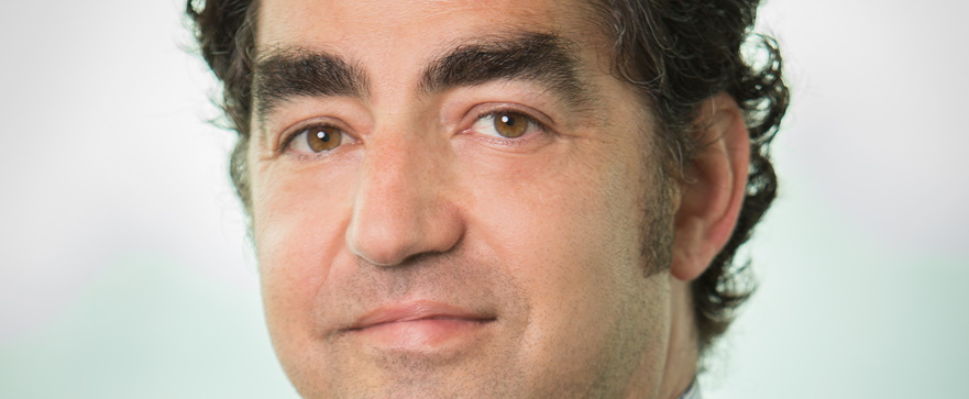
Hungary Francesco Banchi, general manager of Boehringer Ingelheim Hungary, elaborates on the successful development of the affiliate in recent years, making progress in new product reimbursement. As an experienced leader in sales and marketing, Banchi offers his insights into the challenging market access landscape of Hungary and his strategies in cooperating…
Mexico The United States Trade Representative Office has been engaging with a number of countries, including Mexico, to address concerns related to IP protection and enforcement and market access barriers for pharmaceuticals and medical devices. Mexico remained on USTR’s Watch List in 2019 because there has not been a significant change…
India Biocon, the first Indian company to have a biosimilar drug approved in the US, is taking another step forward with a new manufacturing facility and an expansion into the Australia and New Zealand markets. We see ourselves as a company that has great capabilities and is investing big time…
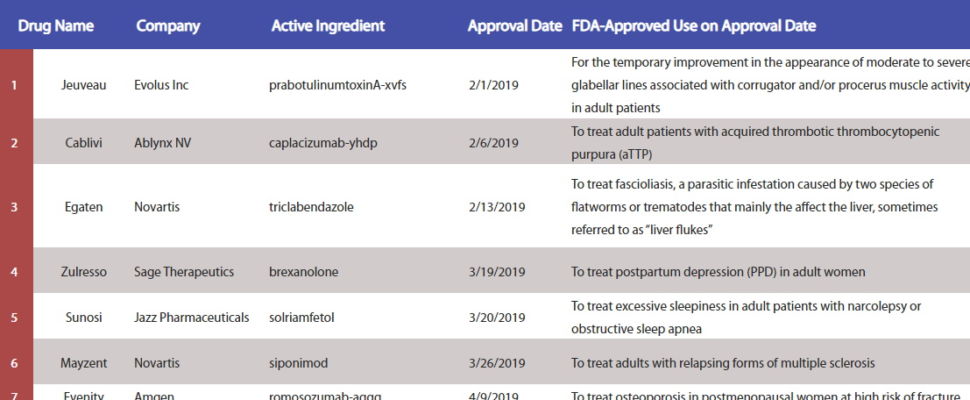
USA In 2019, the US FDA’s Center for Drug Evaluation and Research approved 42 novel drugs, down from 59 drugs approved in 2018. Novartis had four drugs approved, the highest number from any single pharma company. 16 of the 42, or 38 per cent, received orphan drug designation. This listing does…
Russia Russia is facing a drug shortage crisis which is having a particular impact on patients with life-threatening conditions. A combination of geopolitical and bureaucratic issues are restricting the flow of medications to the patients who need them the most. An alarming shortage of medicines in Russia is driving some…
UAE The UAE ranks as a world leader in rapid drug approvals with its fast-track registration system that accelerates the process and eliminates long waiting times for innovative and orphan drugs. If you bring innovation, the [UAE] government will support you on all levels Georg Schroeckenfuchs, Novartis In January 2018…
Global The IFPMA’s Greg Perry shares some of the key findings from a panel discussion on access to healthcare products at the 2019 World Health Summit in Berlin and the vital importance of cross-sector partnerships in driving access to medicines and vaccines across the globe. In October I had the…
Sweden We recently analysed the contents of 20 interviews conducted with country managers at multinational pharma companies in Sweden and found some underlying words and themes present in the majority of the interviews (see above for the full wordcloud). This is an exclusive glimpse into what is currently at the top…
USA The AAM’s Chip Davis examines the roadblocks to greater adoption of biosimilar drugs in the USA, and why they need to be removed to potentially save billions of dollars and increase patient access to lifesaving medications. In a nutshell: competition brings prices down across the board Biologic drugs…
Hungary Like many of its European counterparts, Hungary is suffering from medicine shortages. Vaccines, vitamins, and orphan drugs are some of the most affected areas and oncology patients are now also at risk. An Increasing Burden Over 14,000 types of pharmaceuticals are unavailable in Hungarian pharmacies, which is placing an…
Hungary Hungarian patients currently experience longer wait times and more limited access to subsidised innovative medicines than their neighbours in Bulgaria and Slovakia.leading some organisations to urge the government to increase funding and shorten approval times. According to the Hungarian Association of Innovative Pharma Manufacturers, since 2016 only 48 new…
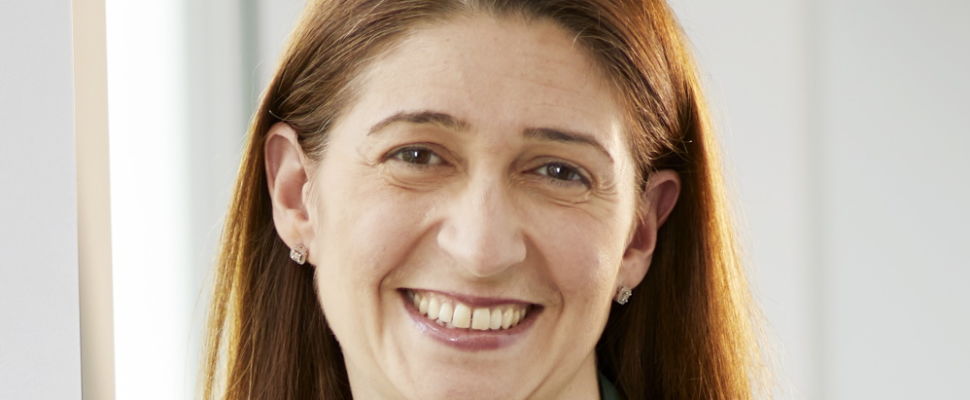
Sweden Michelle Werner, country president for AstraZeneca’s Nordics and Baltics region, highlights the company’s strong connections with local stakeholders due to its historic roots and large footprint in Sweden. Werner also discusses how the organization, which employs nearly 7,000 people in the country, plays an integral part in ensuring that patients…
See our Cookie Privacy Policy Here