Pharma Legal Handbook 1. What are the regulatory requirements for traditional, herbal, complementary, or alternative medicines and devices? Traditional, herbal, complementary, or alternative medicines and devices in Iraq are subjected to the regulations of Iraq Drug Regulatory Authority “IDRA” under the Ministry of Health “MoH”. Manufacturers or importers of these products must ensure…
Pharma Legal Handbook 1. What types of liability are recognized in your jurisdiction? Iraq recognizes several types of liability, including: Product Liability: Relating to harm caused by defective products. Tort Liability: Involving personal injury or property damage due to negligence or other wrongful acts. Contractual Liability: Stemming from breach of contract or warranty.…
Pharma Legal Handbook 1. What are the basic requirements to obtain patent and trademark protection? Patent: To obtain a patent, the invention must be new (novel), involve an inventive step (non-obvious), and be capable of industrial application. In Iraq, the invention must be disclosed in a clear and complete manner. Trademark: To obtain…
Pharma Legal Handbook 1. Are there proposals for reform or significant change to the healthcare system? Iraq has faced considerable challenges in its healthcare system due to years of conflict, instability, and underinvestment. As a result, there are ongoing discussions and proposals aimed at reforming the healthcare system to improve its quality, accessibility,…
Pharma Legal Handbook Cannabinoid Drugs 1. Are Cannabinoid Drugs authorized in your country? In Iraq, Cannabinoid Drugs are generally not authorized due to strict drug control laws and cultural sensitivities around cannabis-related substances. 2. What are the regulatory authorities with jurisdiction over Cannabinoid Drugs? The Ministry of Health and related drug regulatory…
Pharma Legal Handbook 1. Are there any rules or regulations requiring and/or encouraging localization in your country? What is the legal framework defining these localization rules and policies? Localization policies in Iraq generally aim to encourage local production, increase employment, and reduce dependence on imported goods. These rules and regulations may not be…
Pharma Legal Handbook 1. What is the definition of Rare Diseases in your country? In Iraq, there is no specific definition of rare diseases in the legal or regulatory framework. The concept of rare diseases generally refers to conditions affecting a small percentage of the population, but an official definition may be absent…
Pharma Legal Handbook 1. Are biosimilar medicines considered the same as generic medicines in your country? No, biosimilar medicines are not considered the same as generic medicines in Iraq. Generic medicines are chemically identical to their branded counterparts, while biosimilars are derived from living organisms and are similar but not identical to the…
Spain Some of the biggest stories coming out of Spain’s pharma industry, including Brookfield’s bid for a troubled Grifols; Esteve’s Spanish plant expansion; Rovi’s offers for a potential buyout of its CDMO business, and the EUR 90 million earmarked by Spain’s Ministry of Science, Innovation and Universities (MICIU) to promote biomedical…
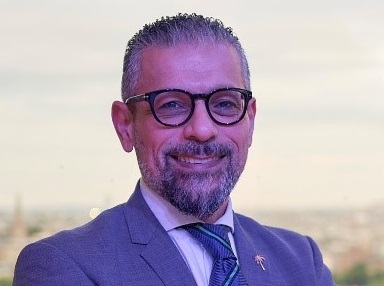
Saudi Arabia Fadi Ghanayem, Managing Director for Saudi Arabia and Caucasus, Central Asia, Iran and Mongolia (CCAIM) at French diagnostics firm BioMérieux discusses the remarkable growth he has witnessed in Saudi Arabia thanks to the government’s push to improve healthcare and prevention in recent years. In addition, he outlines the opportunities that…
Spain A roundup of the biggest stories emerging from Spain’s pharma industry: Grifols pushes to improve governance after accusations of overstated earnings; Rovi and Insud join forces to create Spain’s first semi-public pharmaceutical company; Almirall and Eloxx Pharmaceuticals sign a licensing agreement for a rare dermatological disease asset, and Esteve acquires…
India Environmental, Social, and Governance (ESG) concerns have grown in global importance in the last few years due to several factors, including increased awareness of and demand for sustainable investing, the need for companies to maintain what McKinsey calls their ‘social license’, and the potential financial benefits of strong ESG performance.…
See our Cookie Privacy Policy Here