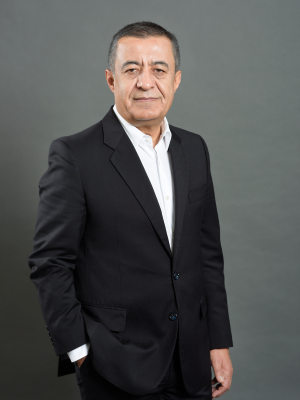
Cyprus Christoforos Hadjikyprianou of the European University Cyprus, home to the island’s only state-of-the-art medical school, explains the institution’s unique value proposition and his vision for the future. Could you introduce yourself as well as European University Cyprus? “In the last decade-and-a-half we have made huge strides.” I am the University’s…
Portugal Portugal’s Minister for Science, Technology and Higher Education, Manuel Heitor, details his plan to bring Portuguese scientific and business practices above European averages. Collaboration across industries, increased public and private investment into R&D and innovative global projects will pave the way for Portugal’s progression in Europe. Can you please outline…
India With his over 25 years’ experience in running growing businesses and establishing start-ups, Ranjit Madan, CEO of the Life Sciences Sector Skill Development Council (LSSSDC), explains the journey of the LSSSDC and its efforts to grow the formally skilled labor force in India by involving all the stakeholders across the…
Brazil Marlene Oliveira, founder and president of the Instituto Lado a Lado Pela Vida (Side by Side for Life) documents the main objectives and achievements of this Brazilian institution of reference, which tirelessly strives to help Brazilians live longer and healthier lives and access better healthcare outcomes through targeted prevention and…
ARM Annie Hubert, Senior Director, EU Section & Public Policy for the Alliance for Regenerative Medicine (ARM) describes some of the issues that companies in the advanced therapies field are facing in terms of market access and stakeholder education in Europe, as well as some of the key breakthroughs that European…
USA Janet Lynch Lambert, CEO of the Alliance for Regenerative Medicine (ARM), discusses the association’s aims and membership, the importance of creating a supportive reimbursement environment for regenerative medicine, and the huge and expanding need for education in this critical area. What was the initial inspiration behind setting up the Alliance…
Colombia Gianfranco Biliotti, recently appointed General Manager for Alexion Colombia, shares his insights on the particularities of operating in the ultra-rare disease segment, while highlighting the importance of managerial flexibility, the company’s unmatched patient-centricity and close ties with doctors, the role of education in improving patients’ lives and his strategic priorities…
Indonesia Dede Yusuf is advocating for more people in Indonesia to take up a healthy lifestyle and, through his position of Chairman of Commission IX of the House of Representatives, is aiming to improve the healthcare sector of his country both by boosting local companies and improving health education. Could you…
Switzerland Ensuring a fair allocation of rights and returns from collaboratively developed technologies is a continual challenge for university Tech Transfer Offices – swiTT president Stefan Kohler discusses the current challenges and shares his perspective on the role of university developed IP in the Swiss life science ecosystem. What are some…
Research Dr. Thomas Coffman, Dean at Duke-NUS Medical School (Duke-NUS), explains how Duke-NUS has effectively disrupted medical education since the establishment of this unique collaboration 11 years ago. Can you introduce to our international readers the underlying aspirations behind the creation of this partnership between Duke University and NUS as well…
Research NIBRT’s projects director discusses the new ‘Biologic’ center for biologics research, business development, training, and commercializing the organisation’s extensive research capabilities. As Projects Director, you are responsible for driving NIBRT’s growth and development, in terms of both research and bioprocessing training. What’s the most exciting opportunity that NIBRT is currently working on?…
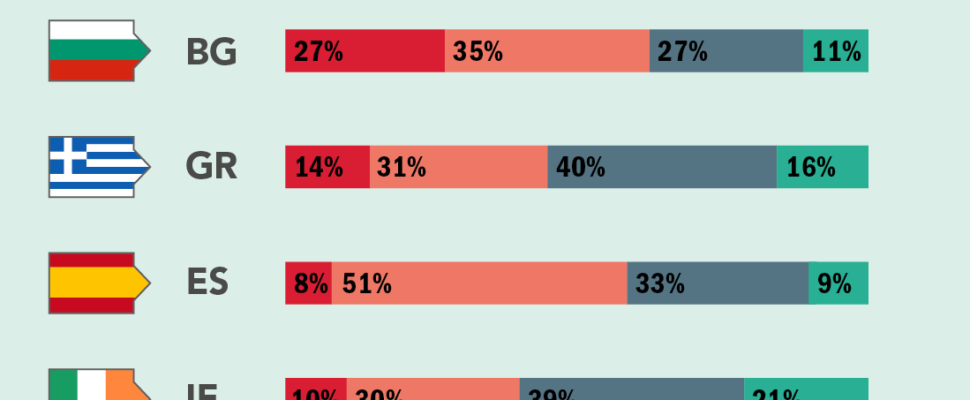
Health This chart shows the varying levels of health literacy in Europe. Health literacy is a serious issue in Hungary where 19% of the population have ‘inadequate’ knowledge and 33% are rated as ‘problematic.’ Click here to read more articles and interviews from Hungary
See our Cookie Privacy Policy Here