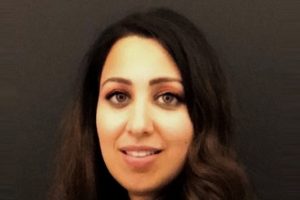
Dr Nasreen Alfaris, a leading Endocrinology, Diabetes, and obesity physician consultant in Saudi Arabia, shares insights into the evolving landscape of obesity medicine in the Kingdom. She discusses her role in establishing the Saudi Obesity Medicine Fellowship Program, the significant strides made in obesity awareness and treatment, and Saudi Arabia’s commitment to addressing obesity as a critical health issue. Dr Alfaris also highlights the challenges of stigma and opportunities for obesity management through education, describing how the Kingdom is tackling these facets to position itself as a leader in obesity care within the region.
Could you please introduce yourself and share the background that led you to become a Endocrinologist and obesity medicine consultant in Saudi Arabia?
My name is Nasreen Alfaris and I am an endocrinologist specializing in obesity medicine. I also have a background in public health with a Master’s in Public Health. My journey began in Saudi Arabia where I attended King Saud University for medical school. After graduating, I moved to the U.S. where I pursued a Master’s in Public Health at Dartmouth College. I then completed my internal medicine residency at Case Western University, followed by an endocrinology fellowship at the University of Pennsylvania in Philadelphia. There, I focused on obesity medicine at the Center for Weight and Eating Disorders under the mentorship of Tom Wadden—a well-known researcher in obesity.
I later continued my training at Mass General Hospital at Harvard University where I did a fellowship in obesity medicine under the guidance of Dr. Lee Kaplan. After completing my training, I was approached to start an obesity medicine program here in Saudi Arabia where I have since been working to develop this field further.
How would you describe your current focus and the initiatives you are leading in Saudi Arabia as an expert in obesity?
I moved to Saudi Arabia in early 2017 and began working at King Fahad Medical City (KFMC)—a tertiary care center under the ministry of health (MOH). I was recruited by the Obesity, Endocrine, and Metabolism Center (OEMC) at KFMC
One of my first initiatives was to work with the Saudi Commission for Health Specialties (SCHS) to establish obesity medicine as a recognized specialty. It took about four months to get the specialty officially recognized, and once it was, we focused on building an obesity medicine program at the tertiary care center. Over the years, we successfully expanded the program, and today, we have a team of consultants who are fully trained in obesity medicine.
A major milestone was the creation of an accredited obesity medicine fellowship program in collaboration with the Saudi Commission for Health Specialties (SCFHS). We were able to graduate our first class in 2024, who are now certified with the Saudi Board in Obesity Medicine. This accomplishment is very special to me, as the goal was to train others who could start their own programs in other hospitals. The journey took about five years and we were fortunate to have strong support from my institution and the Commission.
In addition to my clinical practice, I hold several leadership roles. I am the vice chair of the Guidelines Committee of the Integrated Health Section of the International Federation for the Surgery for Obesity and Metabolic Disorders (IFSO) where we are working on developing guidelines on obesity management for integrated health professionals, including obesity medicine physicians, dietitians, and psychologists. I also held the position of the Chair of the IFSO MENA region’s Integrated Health section prior to me serving at the international level within IFSO.
Moreover, I am involved with the Obesity Society and the World Health Organization’s Obesity Society which is being established in the GCC region, including members from Saudi Arabia, Bahrain, Kuwait, Qatar, and the UAE. We have already published recommendations on obesity management which can be found on the World Obesity Federation’s platform.
As the founder and program director of the Saudi Obesity Medicine Fellowship Program, I continue to support the growth of obesity medicine in Saudi Arabia. My team and I also conduct research at our tertiary care center.
Finally, I consult for various pharmaceutical and surgical companies. As an obesity medicine specialist, I have the opportunity to work across multiple areas, contributing to the field in a variety of ways.
A few years ago, there was significant emphasis on recognizing obesity as a disease rather than just a lifestyle challenge. From your perspective, how has this conversation progressed and how would you evaluate the current state of the obesity space in Saudi Arabia?
I am actually optimistic about the progress we are making in addressing obesity. When I was first recruited in 2017, it was clear that Saudi Arabia recognized obesity as a growing problem, even before the current surge in awareness. Saudi Arabia has been at the forefront of addressing obesity, particularly as we have one of the highest obesity rates in the world. We are not alone in this challenge; it is a problem that is shared on an international level. On a regional level, other GCC countries face similar challenges, but with Saudi Arabia being the largest country in the region, it carries a bulk of the disease burden.
The government has been working hard to tackle this issue. The MOH has established several bariatric surgery centers of excellence. And is unique in having an obesity medicine center. Many of these centers are accredited by the MOH and are even seeking additional accreditation from (IFSO). This is a significant step toward properly addressing the disease.
Furthermore, Saudi Arabia has been quick to embrace new pharmacotherapies for obesity. The country has been one of the first to introduce and push for the proper treatment of obesity, ensuring access to the latest medications. As more treatments are developed in the future, I am confident that the landscape will continue to improve.
We now have a fellowship program and I believe it will not be the only one in the country. As we train more specialists, the graduates will go on to start their own programs, expanding the reach of obesity medicine. The infrastructure and support are already in place with strong backing from institutions such as the Saudi FDA, which is working hard to make medications more accessible, and the Saudi Commission for Health Specialties, which is ensuring the proper accreditation of professionals in this field.
Obesity is also the only disease explicitly included in Saudi Arabia’s Vision 2030—highlighting its importance in the country’s future healthcare agenda. Given all this progress, I am optimistic about the future of obesity care in Saudi Arabia.
Does Saudi Arabia have a specific plan in place regarding obesity? What more can you share about what the Kingdom is doing to address this issue?
From my perspective, Saudi Arabia has made significant progress in addressing obesity, particularly through education and training. One of the key initiatives has been the establishment of the Saudi Obesity Medicine Fellowship. This is a major step forward, as there are very few obesity medicine fellowships worldwide with only a handful in the U.S., Canada, and some other countries. The creation of this fellowship in Saudi Arabia is a big achievement because it ensures that future doctors understand obesity on a scientific level and are equipped to treat patients living with the disease. This approach allows us to move beyond the methods that have been failing for years and develop scientifically-based plans that will work in the future to tackle obesity effectively.
In addition to education, the SFDA has been instrumental in ensuring that the necessary medications for obesity treatment are available in the Kingdom. The government has also made significant strides in establishing a care pathway system where patients with obesity can be referred from primary healthcare to secondary and tertiary care hospitals. We are working on training primary care physicians, who are often the first point of contact for individuals living with obesity, to help in offering effective, evidence -based treatments for obesity. oeffectively. This includes understanding when to refer patients to specialists and how to navigate the referral process.
On a policy level, we are also working on obesity medicine guidelines, in collaboration with the Saudi Endocrine Society. These guidelines aim to standardize obesity care across the Kingdom and ensure that patients receive the appropriate treatments. As part of the Lancet Commission on definition and diagnostic criteria of clinical obesity, I am focused on stratifying obesity into clinical and preclinical categories to help achieve better access to care for individuals living with obesity. Once the guidelines are finalized and approved by the governing bodies, we expect widespread adoption which will have a positive impact on the management of obesity in Saudi Arabia.
Overall, the Kingdom has a comprehensive approach to tackling obesity, combining education, healthcare infrastructure, and policy initiatives—all of which will contribute to proper management plans for obesity.
In the context of Saudi Arabia, how within reach are obesity treatments for patients, specifically related to access and affordability?
In Saudi Arabia, the access to obesity treatments for patients is quite good, particularly when compared to many other healthcare systems. There are two main healthcare systems in the Kingdom—the public healthcare system and the private healthcare system. Within the public healthcare system patients are seen at obesity centers and receive all their medications free of charge. There are no co-pays and patients are followed up for life, as obesity is a chronic disease. This ensures that the majority of the Saudi population, which relies on the government healthcare system, has access to essential treatments and long-term care for obesity.
The government healthcare system includes large hospitals and medical cities and is supported by various governmental sectors, such as the Ministry of Health, the military healthcare system, and the National Guard health system. This makes obesity care widely accessible to the public. On the other hand, the private healthcare system operates on an insurance basis, which means that treatment access and affordability depend on the patient’s health insurance coverage. Insurance plans vary and not all cover obesity treatment. The level of coverage also depends on the tier of the healthcare plan which- unfortunately- may affect access to necessary care.
One of the key initiatives I am working on is implementing the categorization of pre clinical and clinical obesity described in the Lancet Commission on the definition and diagnostic criteria of clinical obesity. As chair of the Endocrine society’s obesity guidelines, we are focusing on ensuring that patients with clinical obesity,, are prioritized and receive coverage for their treatments. Our goal is to work with insurance companies and the government to ensure that no patient with obesity is left behind and that all individuals living with obesity receive appropriate care. This project, in collaboration with the Saudi Obesity Society and Council of Health Insurance, aims to make sure that obesity treatment is covered and accessible for those who need it most.
With the ongoing healthcare transformation under Vision 2030 and the shift towards a more privatized healthcare system, what changes are you expecting to observe in the sector moving forward?
From my perspective in the endocrinology field, the healthcare system is still operating similarly to how it has in recent years,. There are many promising developments, but we are still awaiting full substantiation of the complete picture. However, one thing that remains clear is that these changes should not negatively impact patient care and aim to elevate patients’ experiences.
Significant efforts are being made in terms of infrastructure to ensure that patients can continue to access healthcare, receive treatments, and obtain medications without delays. The Ministry of Health is working diligently to maintain the system and ensure stability during this transition.
One concrete message we have received is that payment systems will be handled at a higher level, focusing on how hospitals are reimbursed, rather than directly involving patients in the payment process. We are still awaiting further directives and are keen to see how the healthcare landscape will evolve as Vision 2030 progresses.
What can you say about the current landscape and epidemiological impact of diabetes in Saudi Arabia?
The landscape of diabetes in Saudi Arabia is well-established and has a much longer history compared to the obesity landscape. Diabetes care is deeply rooted in the country and what stands out to me is the comprehensive training program for diabetologists offered by the Saudi Commission for Health Specialties. Individuals who complete an internal medicine or family medicine residency can enter a specialized two-year diabetes fellowship where they receive extensive training in areas such as insulin pumps, inpatient, and outpatient diabetes care. This program has been in place for years, producing highly educated and skilled specialists.
As a result, Saudi Arabia has a robust network of trained diabetologists and these specialists are present at every level of care—primary, secondary, and tertiary care centers. In contrast, the field of obesity is still developing, particularly in primary and secondary care, but diabetes care has been well-established. For instance, patients in smaller towns can easily access insulin pump treatments without needing to visit large cities. This widespread access to high-quality diabetes care has contributed to the country’s success in managing diabetes, particularly with type 1 diabetes which is quite prevalent here.
In terms of medication access, the Saudi healthcare system offers a wide range of treatments. For example, empagliflozin, a medication beneficial for both diabetes and heart and kidney health, is easily accessible to patients. They can obtain it from their local primary care offices and cost is covered by the government. This level of accessibility is something we hope to achieve in the obesity care space in the future.
In my own practice, I manage a tertiary care diabetes clinic where I see complex cases, including patients with diabetes-related heart disease and adolescent diabetes cases, which can be more challenging to control. We provide continuous glucose monitors and flash glucose monitoring at various care levels, not just in tertiary care but also in secondary care settings. Additionally, our hospital offers a comprehensive diabetes foot program to treat complex cases, such as diabetic foot complications—ensuring a well-established, all-encompassing approach to diabetes care in Saudi Arabia.
To what extent have you been partnering with pharmaceutical companies on initiatives to raise awareness and spread knowledge about obesity? What are the specific areas they are focusing on to advance the field?
Pharmaceutical companies have played a crucial role in advancing obesity care, particularly through their contributions to education. They provide significant funding for educational societies which has been incredibly helpful for us, especially in supporting our fellows. The financial support they provide makes it possible for fellows to attend meetings and engage in educational opportunities that would otherwise be difficult due to limited resources.
In addition to funding education, pharmaceutical companies are highly committed to addressing the educational gaps in obesity. They recognize the importance of teaching healthcare professionals that obesity is a chronic disease. By funding educational initiatives, they help support the understanding that obesity is a chronic disease that requires long term care.
On an individual level,, I collaborate with pharmaceutical companies on advisory boards and consulting roles. discussing various areas of obesity care, addressing benefits beyond weight loss such as cardiovascular outcomes and liver health related to obesity treatments. These discussions contribute to shaping future research and development in the field and I am extremely grateful for the support we receive from pharmaceutical partners in these initiatives.
Industry players have mentioned their ambitions to bring more clinical trials in obesity to Saudi Arabia to help address the high prevalence in the Kingdom. To what extent do you believe Saudi Arabia is well positioned to act as a center for obesity-related research?
I strongly believe that Saudi Arabia is well-positioned to become a center for obesity-related research, particularly because of the strengths in our healthcare system. We have a large, stable population that primarily relies on the governmental healthcare system, which means patients tend to stay within the system from a young age, providing a consistent pool of individuals for long-term clinical trials. This continuity allows for high-quality data collection over time which is crucial for meaningful research.
We have already conducted some clinical trials for obesity, including collaborations with Novo Nordisk and other pharmaceutical companies and I am eager to see more of these trials in the future. While Saudi Arabia does not mandate clinical trials for drug approval, having studies specific to our population would give us a stronger case when discussing treatments with stakeholders. For example, showing how a drug performs in Saudi patients—particularly in terms of weight loss and improvements in diabetes—could make a compelling argument for its use in the region, helping us make better investment decisions for our healthcare.
I am optimistic about the future and hopeful that with our existing infrastructure, we can continue to conduct successful clinical trials in Saudi Arabia—helping to advance obesity treatment not only in the Kingdom, but across the region as well.
Looking ahead, what do you hope to achieve for obesity patients in the coming years in collaboration with society and other healthcare stakeholders?
My main goal is to see more obesity centers established across the country. When I first arrived, there were only bariatric surgery centers,, but now we are seeing more obesity medicine centers emerging. I envision a future where these centers are not limited to large tertiary care hospitals but are present in every primary care office. In this future, every primary care provider will have the training and resources to manage patients with obesity, supported by a multidisciplinary team to offer comprehensive care. This approach will improve access to treatment for obesity.
Another important goal is to shift public perception of obesity. I hope we can move away from the “fad diet” mentality where people expect quick fixes and the “eat less -move more “understanding of obesity to a more scientific approach to the disease. Where the public are educated about obesity as a complex, multifactorial, chronic disease, that requires chronic management. A community that understands that obesity is not the fault of the individuals and is not a result of lack of discipline or will power, but a pathologic condition that requires medical care. The stigma surrounding obesity, often perpetuated by media and societal pressures, must be addressed. People often feel embarrassed to seek medical help because they internalize the notion that it is a personal failure. We need to create a compassionate, supportive environment where people understand that seeking treatment is not an “easy way out,” but a step towards better health. This is a global challenge, but I believe that through education and awareness, we can make meaningful progress in changing how obesity is perceived and treated.
As a female doctor in Saudi Arabia, how do you assess the landscape for women in the medical field?
As a female doctor in Saudi Arabia, I have been pleasantly surprised by the progress I have seen over the past few years. The Saudi Arabia I arrived in was welcoming and has undergone significant changes in a very short period—progress that would usually take 40 or 50 years in other countries. In the healthcare sector, women have historically held leadership positions, in the light of the progress that happening in the country, Looking at my own career, I have always felt supported in the healthcare sector. Women have always been a significant part of the healthcare workforce in Saudi Arabia and I believe that will continue to grow.
I look forward to seeing a female CEO of a hospital or a female Minister of Health. These are the larger changes I look forward to in the near future. The changes I have seen in my time here make me optimistic for the future.
Are there any final words to conclude that you would like to send to the international healthcare community about obesity?
I have always believed that obesity is a tsunami that is coming—whether we like it or not—and we must be prepared to address it. Obesity should be prioritized because it is the root of many health issues. If you look at various diseases, obesity is often a contributing factor.
When I first moved to Saudi, four key areas of focus were listed to me—genetics, cardiac disease, transplant, and cancer. In reality, an obesity medicine specialist could work under the umbrella of any of these key areas. In genetics there is obesity genetics; in cardiovascular disease, obesity is often the root cause; in transplant, there’s transplant-related obesity; and in cancer, many types of cancer are directly linked to obesity.
So, obesity is truly the “root of all evil” so to say. If we shift our thinking to view it as the root cause of numerous diseases and shifting the paradigm to treating obesity first. the benefits will be profound. I commend Saudi Arabia for including obesity as the only disease in their Vision 2030 plan because addressing it will have a cascading effect, ultimately leading to a healthier population and a reduction in the prevalence of many other diseases.