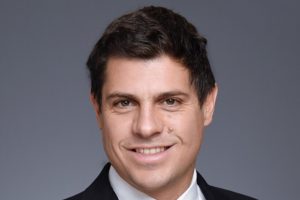
Matteo Boggi, General Manager of Fresenius Kabi Switzerland, shares insights into the company’s pivotal role in supporting healthcare professionals as well as critically and chronically ill patients across Switzerland. Boggi highlights Fresenius Kabi’s extensive portfolio in nutrition, medical devices, generic drugs, and biosimilars, while discussing the company’s innovative strategies and focus on healthcare sustainability. The conversation also explores Switzerland’s competitive talent market, opportunities for biosimilar uptake, and his vision for fostering a bold, collaborative, and patient-centered culture.
Could you provide an overview of Fresenius Kabi and its core business?
Fresenius Kabi is an operating company of the Fresenius Group, a global healthcare organization headquartered in Germany. As a healthcare company focused on therapy, Fresenius Kabi specializes in providing system-critical products and services that are integral to the care of critically and chronically ill patients.
At Fresenius Kabi, we emphasize our role as a partner to healthcare professionals, offering not only pharmaceutical drugs but also clinical nutrition products and advanced medical devices. For example, we provide infusion solutions in a range of containers that play a crucial role in hospitals, supporting critical care and surgeries. These products are essential to ensuring the smooth operation of healthcare systems globally.
We hold a relevant global position in parenteral and enteral nutrition, in the transfusion field, as well as in the manufacturing of generic drugs. These pharmaceuticals are developed to expand patient access to high-quality treatments at an accessible cost. A significant portion of our production occurs within Europe, which allows us to maintain robust quality control and ensure efficient, reliable supply chains.
Our medical device portfolio covers everything from infusion pumps for intravenous drug delivery to advanced technologies for blood transfusion and enteral feeding. Additionally, biosimilars are a newer and growing segment for Fresenius Kabi, launched in Europe in 2019 following strategic acquisitions and in-house developments. This area reflects our commitment to innovation, offering cost-effective and high-quality alternatives for complex biological therapies.
In Switzerland, as elsewhere, our focus extends beyond products to fostering proximity and service excellence. We strive to be close to our customers, patients, and stakeholders, ensuring seamless collaboration and a well-coordinated approach to addressing critical healthcare needs.
Could you elaborate on Fresenius Kabi’s footprint and operations within Switzerland?
In Switzerland, we have a local affiliate based in Kriens, in the canton of Luzern, next to Luzern city. This location is central and easily accessible, making it an ideal hub for our people and activities. Our operations here encompass all key functions required to run the business effectively, including product marketing, logistics, regulatory affairs, finance, human resources, and more. Additionally, our sales and specialist teams are located and active across Switzerland, working closely with customers to provide product knowledge and ensure technical, scientific, and customer support wherever needed across the country.
We also maintain a dedicated technical service department in the Kriens area and in Düdingen (canton Fribourg), which focuses on supporting and maintaining our medical devices used in hospitals. This team handles everything from technical assistance to device maintenance, ensuring hospitals can rely on us for seamless operation and care.
Furthermore, within the Fresenius Kabi Group, we operate a Swiss home care service called FresuCare. Homecare is an important component of our operations, it has been instrumental in facilitating healthcare at home in the field of clinical nutrition for more than 20 years. FresuCare collaborates with all relevant stakeholders across Switzerland to ensure that patients receiving clinical nutrition have the necessary support and medical supplies directly at home, for their optimal autonomy and quality of life.
Having been exposed to a diverse range of markets globally, what unique characteristics and challenges does Switzerland pose?
Switzerland stands out with its robust healthcare system, which recognises the value of the products and high level of service that we provide for healthcare professionals, hospitals, practices, and, most importantly, patients.
One aspect I appreciate about Switzerland is the direct and transparent relationship with relevant stakeholders. Unlike in some markets where large tenders dominate, and product suppliers are less visible, Switzerland’s approach allows for stronger trust and clearer expectations. This ultimately ensures a secure supply chain, effective problem-solving, and reliable delivery of what patients need.
However, challenges exist. Homecare, for example, is a critical area which we should avoid undervaluing or deprioritizing, as this would have a negative impact on patients’ quality of life.
It is also important to continue to recognize the value that medical products and services bring to Switzerland. If comparisons are made solely based on cost-saving measures observed elsewhere, there is a risk of compromising the quality and proximity of service that works so well in Switzerland. This could impact not just supply security but also the scientific and informational development within the country.
Could you provide insights into the ongoing revisions to policies concerning the ambulatory care and home care market in Switzerland?
Healthcare expenses are currently a significant point of debate in Switzerland.
We believe that all initiatives which guarantee the appropriate coordination and support of the patient at hospital as well as in the ambulatory and home settings are beneficial, to guarantee an integrated level of care and rationalization of the resources.
In this context, homecare plays a crucial role, for patients receiving care out of hospitals, especially in specialized areas like nutrition. It provides essential access to care while ensuring that patients receive the services they need, synergizing with hospital stays. For this model to succeed, we should ensure the span of current services and the corresponding reimbursement coverage.
In nutrition, for example, patients might begin treatment in a hospital and then transition at home. Homecare enables patients, relatives and nursing services to receive the care and information they need, including nutritional support, directly at home. This reduces the burden on hospitals while maintaining high-quality care.
Switzerland’s model for nutrition care is currently robust, offering excellent and efficient access which leads to a high level of quality and better outcomes for patients. It is essential to preserve and enhance this system for the benefit of patients, ensuring they continue to receive high-level care in the most appropriate setting across hospital, ambulatory and homecare.
Fresenius Kabi has been undergoing a strategic shift toward simplifying operations, sharpening focus, and enhancing performance. How has this global strategy been implemented within Switzerland, and what impact has it had on local operations?
The global strategy has already been implemented and is very much a reality. The focus is on prioritizing key areas of importance while stepping back from less critical ones to accelerate development in our core strengths. This approach has been clearly outlined by our global CEO, and we are on track with its execution.
Switzerland plays a significant role in this strategy, given its importance to the company globally. We recognize the country’s relevance within the group and are proud to contribute to its overall success. Since I joined the Swiss operations 18 months ago, after having been with the company for many years, my goal has been to align the Swiss entity more closely with the global Vision 2026. My experience with the company and its products allows me to bring a deep understanding of its history while driving forward this new roadmap.
The implementation of Vision 2026 in Switzerland involves fostering a cohesive team spirit and integrating the group’s forward-looking approach into our local operations. This resonates with my leadership style and personal commitment. Together, as one team, we are excitedly progressing in line with the strategic goals and ensuring Switzerland’s continued contribution to Fresenius Kabi’s success.
How is Fresenius Kabi’s portfolio represented in Switzerland? What are the primary focus areas, and how would you describe the company’s market positioning?
In Switzerland, Fresenius Kabi offers a comprehensive portfolio, encompassing a wide range of products and solutions. In parenteral nutrition, we are particularly strong with our three-chamber bags, which are a core part of our offerings. In enteral nutrition, we hold a leading position in the market, providing direct enteral feeding solutions, including enteral feeding bags, and oral nutritional supplements (ONS) for patients who can consume these directly. These products address the growing need to prevent and treat malnutrition, which remains a significant concern in healthcare. Ensuring patients receive proper nutrition is a critical focus for us.
We also have a strong presence in infusion therapy, particularly with standard infusion solutions and generic injectable drugs. Our portfolio includes one of the most widely used injectable anaesthetics where we maintain a leading position. Additionally, we play a significant role in providing antibiotics and oncology infusion drugs, ensuring patients and healthcare professionals have access to high-quality, reliable treatments.
In the medical devices sector, we bring innovation through advanced solutions for transfusion technology and targeted therapy. For instance, we are introducing cutting-edge Medical devices for blood cell processing, which supports the development of new therapies. Our range also includes devices for infusion and enteral feeding, such as pumps, which help optimize treatment delivery.
Overall, Fresenius Kabi in Switzerland maintains a strong position across key focus areas, working closely with hospitals, healthcare professionals, and nutrition specialists. Our goal is to ensure our products are well understood and effectively utilized to support patients and advance healthcare outcomes.
Fresenius Kabi received its most recent European-level biosimilar approval in 2023. How do you plan to collaborate with stakeholders in Switzerland to ensure access to this product as you expand into the biosimilar space?
The headquarters of our global biosimilar business unit is also located in Switzerland, at our entity on Lake Geneva in Eysins. This organization is responsible for global activities and commercial roll-out of the products, including product development, clinical trials, B2B partnerships, and guiding the future strategy for biosimilars within the Fresenius Kabi portfolio.
As a sales and marketing unit in Switzerland, we collaborate closely with the global biosimilar team, particularly when it comes to market entry and ensuring successful launches across Europe. While the most recent biosimilar approvals have been a European-level success, we are currently evaluating the potential strategies for introducing this product locally, keeping in mind the unique characteristics and needs of the Swiss market.
There has been increasing discussion around biosimilar incentives in Switzerland, particularly regarding measures facilitating switches in pharmacies. Do you see this as an impactful opportunity to bolster biosimilar uptake?
I believe that any initiative aimed at increasing access—whether in nutrition, generics or biosimilars—is a positive step. In this context, it is equally important to carefully monitor how these measures are implemented. For example, if substitution policies are introduced, they must also ensure fair competition by establishing clear criteria, whether based on price, quality, or additional services. This approach allows for a balanced and inclusive market environment.
Overall, I see these initiatives as positive opportunities to enhance access to products, including biosimilars. That said, it is crucial to ensure that the patient’s quality of care and continuity of treatment are not compromised. Frequent changes in products, for example, could complicate things for patients and potentially disrupt their treatment experience.
Additionally, we need to assess whether cost savings from such policies truly benefit the healthcare system in a meaningful way. It is a matter of balancing patient needs with administrative measures aimed at cost efficiency. While there are complexities involved, I view these efforts as constructive steps toward greater access and integration of biosimilars into the market.
Switzerland has a competitive talent market in the healthcare and pharmaceutical sectors. How does Fresenius Kabi ensure it remains an attractive employer, and what strategies are in place to draw and retain top talent?
As a group, we place significant emphasis on employee engagement and certification, ensuring a high standard of human resource management. For example, we have received the Top Employer certification in Switzerland, which reflects our commitment to fostering a supportive and empowering work environment.
Transparency and empowerment are central to our approach. At Fresenius Kabi, we value entrepreneurship and encourage employees to voice their ideas, take ownership, and contribute meaningfully. While we are part of a large global organization, our local operations maintain a strong bottom-up culture. We seek problem solvers, curious individuals, and team members who challenge each other constructively. These dynamics foster innovation and collaboration.
Personally, I have been with the company for nearly 18 years, which speaks to the opportunities for personal and professional growth here. New projects and challenges are always on the horizon, and success leads to more opportunities. This creates a positive cycle of value creation and achievement, which strengthens team spirit and morale.
In Switzerland, our approach to talent retention and attraction revolves around a healthy, collaborative work environment. Employees are encouraged to take initiative, propose solutions, and innovate. This culture is not just a strategy—it is something we genuinely enjoy cultivating. We strive to create an atmosphere where people feel valued and motivated to contribute to new ideas and projects.
Switzerland itself is a unique market with a diverse and international workforce. Many healthcare institutions rely as well on non-Swiss nationals. We believe that diversity is an asset, and we leverage it to build a well-rounded team.
At our Lucerne-based office, we emphasize being a dynamic and attractive employer. While the talent pool today may be more competitive compared to previous years, we continue to find motivated individuals who bring fresh perspectives and a desire to grow. Whether transitioning into new roles or exploring new areas of expertise, employees find opportunities to thrive at Fresenius Kabi.
What milestones are you aiming to achieve in the next two to three years? How do you envision your legacy as General Manager of Fresenius Kabi Switzerland?
One of the key legacies I hope to leave is a culture of courage and innovation—motivating the team to dare to do things differently and approach challenges with confidence. There are often opportunities that, due to traditional thinking, might not have been pursued in the past. With my experience and a positive, courageous outlook, I aim to demonstrate that taking calculated risks can lead to meaningful progress. This approach can inspire others in the organization to step forward with their own ideas and take initiative.
Another important aspect is building and nurturing a strong team spirit. While we manage diverse business areas, all of them ultimately serve the same purpose: supporting patients, particularly those in critical conditions. Strengthening our sense of unity and shared mission is essential for long-term success.
I also want to embed a mindset of adaptability and continuous improvement. Fresenius Kabi has a strong heritage in nutrition, injectable drugs, and medical devices, but we must continuously innovate in how we approach and deliver our products and services. Embracing new opportunities, such as digitalization, will play a significant role in this evolution. Digital tools are transforming how we interact with stakeholders and collaborate internally, and I want to ensure we leverage these advancements to enhance competitiveness and communication.
COVID demonstrated the importance of balancing digital and in-person interactions. While we adopted more digital practices, being present in the office remains critical for fostering collaboration and informal discussions that often lead to breakthroughs. Providing a pleasant and collaborative workspace is an integral part of our value proposition, helping to maintain a healthy and connected team culture.
From a business perspective, I aim to ensure the organization remains financially robust, with a strong P&L and a clear outlook for the future. I want to leave a well-organized, sustainable operation where future leaders can step in seamlessly, with a solid foundation already in place to guide them through their initial months. Ultimately, my goal is to leave Fresenius Kabi Switzerland as a forward-thinking, adaptable, and united team, well-positioned for continued growth and success.
What message you would like to share about Fresenius Kabi’s mission and vision as it relates to your leadership in Switzerland?
I am deeply proud to be part of Fresenius Kabi and the Fresenius Group. I take great satisfaction in the people, the culture, and the international environment that define this organization. Our company’s mission and vision resonate strongly with me, and I feel privileged to have the opportunity to bring that vision to life here in Switzerland.
As a leader, my role is to bridge the unique characteristics of the Swiss market—its priorities, needs, and nuances—with the overarching goals of the group. Whether it’s understanding the requirements of our teams, products, customers, or patients, I strive to ensure that Switzerland’s perspective is well-represented.
One of the unique strengths of Fresenius Kabi Switzerland is our direct connection to global leadership. I report directly to a member of the company’s board, which ensures that the Swiss voice is heard and allows for quick, decisive action when addressing local needs. My goal is to align this mission with the Swiss healthcare environment, ensuring that we continue to deliver high-quality products and services while adapting to the specific needs of our patients and partners. I see this alignment as a cornerstone of our success.