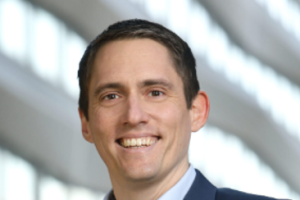
Marc Gitzinger, CEO and Founder of BioVersys, launched the company from his doctoral research at ETH Zurich on antibiotic resistance. Bioversys began with a tuberculosis programme; today, it owns two proprietary platforms to develop new antibiotics and leads with BV-100, advancing to Phase III for severe hospital infections. Gitzinger also co-founded the BEAM Alliance to push policy reforms against the global antimicrobial resistance crisis.
Could you begin by providing some background about yourself and how BioVersys was established?
Originally from Luxembourg, I pursued my doctoral studies at the Swiss Federal Institute of Technology Zurich, where the foundational concepts for BioVersys emerged. During my PhD research, we developed several programmes and technologies that demonstrated significant applicability to antibiotic resistance challenges.
Our initial project targeted tuberculosis, which became the genesis of our company’s mission. We recognised the potential to expand from this tuberculosis platform technology to address other bacterial pathogens. Today, that original tuberculosis programme has progressed well and has delivered compelling Phase II data. It represents our second most advanced asset and has been partnered with GSK for over twelve years, reflecting a sustained commitment to global health initiatives.
BV100, our most advanced programme for severe hospital-acquired infections, entered our pipeline through a collaboration with the University of Southern California. Together, we identified what has become our most advanced programme for severe hospital-acquired infections, which we are now advancing into Phase III clinical development.
My personal involvement in antimicrobial resistance extends beyond our corporate activities. I am a co-founder of the BEAM Alliance, an industry coalition unifying 70 biotechnology companies, ranging from Basilea as our largest member to small, even single-person entities which were just established recently. This alliance focuses on policy-level initiatives in Brussels and European member states, including Switzerland, addressing modern reimbursement methodologies for antibiotics. I also participate in broader pharmaceutical industry initiatives through IFPMA and EFPIA, in my role as a board member of the AMR Industry Alliance.
Antimicrobial resistance has been characterised as a silent crisis. Could you elaborate on the disease burden and what motivated your entry into this field?
Initially, our entry into the field of antimicrobial resistance was primarily technology-driven, based on our innovative, purely scientific approach. However, we rapidly recognised that beyond the inherent scientific challenges and bacterial adaptability, significant market dynamics were reshaping the antibiotic development landscape.
The terminology “silent pandemic” was defined previously, though on a global scale and over time, we have moved well beyond that characterisation. The situation now demands immediate attention, as bacterial pathogens and infectious diseases have remained constant threats to humanity throughout history.
Exemplarily, let’s just look at penicillin’s critical historical impact: This single therapeutic innovation generated the most significant improvement in human life expectancy attributable to any pharmaceutical development. The introduction of antibiotics marked an unprecedented inflexion point in mortality curves, fundamentally transforming medical practice.
During the subsequent golden age of antibiotic development, numerous compounds entered the market, creating enduring societal assets. Penicillin continues to save lives every day. However, bacterial survival mechanisms inevitably lead to resistance development, creating an ongoing evolutionary challenge that proves difficult to predict in terms of both timing and resistance mechanisms.
This dynamic triggers a fundamental imperative: as we agree on both the critical importance of antibiotics and their inevitable loss of efficacy over time, sustained innovation in antibiotic development becomes essential. Modern medical practice today depends entirely upon access to effective antimicrobial therapeutics.
In 2022 alone, 1.26 million individuals died from drug-resistant infections, exceeding aggregated mortality from car accidents and all tropical diseases. This figure is forecasted to reach 10 million annually without any intervention.
To illustrate the practical implications, consider elective caesarean procedures, which many couples perceive as the safer alternative. This safety profile exists precisely because we maintain effective antibiotic prophylaxis and treatment capabilities for potential surgical complications. Similarly, contemporary oncology and immunology treatments frequently involve immune system suppression, creating patient populations with heightened infection susceptibility. We observe cases where patients respond favourably to cancer therapies only to succumb rapidly to drug-resistant infections within days.
This clinical reality exists across global healthcare systems, with varying prevalence rates. While Switzerland experiences relatively fewer cases compared to regions like China, Southern Europe, Italy, or Greece, the underlying threat remains identical and universal.
How do you address the economic challenges inherent in antibiotic development, given their relatively short treatment duration and pricing constraints?
We approach the market through a strategic segmentation of the respective market dynamics, which is based on two key dimensions. Our primary focus is to develop therapeutics specifically for the segment of immediately life-threatening infections, including severe hospital-acquired pneumonia, bloodstream infections, and even rare but devastating conditions like tuberculosis meningitis.
This strategic focus proves essential because such new antibiotics, even under appropriate stewardship guidelines, address patient populations where existing therapies have failed. In our lead programmes, approximately 50% of patients demonstrate resistance to current standard-of-care treatments, meaning every second patient urgently requires new therapeutic alternatives.
This clinical urgency distinguishes infectious disease management from other therapeutic areas. Unlike many other conditions where treatment initiation can be delayed by days or weeks, infectious disease management requires immediate intervention. Statistically, every six-hour delay in appropriate therapy increases mortality risk by five to ten percent.
Both our lead assets tick the box for such critical scenarios because they generate genuine clinical differentiation and life-saving impact. Physicians require these new medicines, and the clinical endpoints consequently include all-cause mortality reduction rather than convenience improvements. Our candidates are designed to generate immediate value for the patients.
However, we recognise a fundamental market dichotomy. In major pharmaceutical markets, the specific infections we target often meet orphan disease criteria in terms of patient numbers, but adequate pricing is only slowly evolving. Correctly, stewardship restrictions appropriately limit usage to non-antibiotic-resistant patient populations.
Conversely, in regions such as Southern Europe, Southeast Asia, and Latin America, the prevalence of drug resistance triggers substantial patient volumes. As a company, we must develop differentiated go-to-market strategies that balance pricing considerations with appropriate access and stewardship requirements.
This approach recognises that drug-resistant infections represent a permanent and continuously growing challenge. These bacterial strains survive existing approved therapies by definition, ensuring their persistence and proliferation. Medical needs will continue expanding as our ageing population and further advancing medical interventions result in more immunocompromised patients susceptible to infectious complications.
How does your broader financing strategy relate to the decision to enter the public markets, and what made this the right moment to mark the milestone of your IPO?
The IPO decision was founded on very convincing Phase II clinical results with our lead asset, BV100, in ventilator-associated pneumonia. We had deliberately selected the most challenging indication, involving critically ill patients in intensive care units facing immediate mortality risk. Despite the complexity and associated costs, we achieved compelling efficacy results that even exceeded our internal expectations.
These positive data consequently triggered the necessary decision regarding Phase III advancement. We defined and designed a comprehensive programme, incorporating both a global regulatory approval trial and parallel Phase IIb studies to demonstrate clinical differentiation. Many companies defer such positioning studies to post-approval phases, but based on the data so far collected, we are confident to run them simultaneously, allowing us to optimise market positioning.
Our investor base before the public listing included biotech-focused Swiss family offices, institutional investors, the AMR Action Fund, and GSK as an equity participant. The AMR Action Fund represents a USD 1 billion venture capital initiative established by the 20 largest pharmaceutical companies and organisations such as the European Investment Bank and the Wellcome Trust, and was set up specifically to support antibiotic development.
While this investor base was very solid and long-term minded, financing a three-year Phase III programme purely in private markets represented a substantial challenge. Public market access allowed for both the necessary capital and flexibility required to finance our development objectives.
Despite difficult IPO market conditions and Switzerland’s more conservative investment environment for biotech companies compared to NASDAQ, our strong clinical data and the defined, stringent development pathway were the key drivers for the successful listing and the related achievement of our financing objectives in February 2025.
We preferred and selected Switzerland over NASDAQ for several strategic reasons. NASDAQ often exhibits a higher short-term sensitivity to “flavour of the month” therapeutic area trends and to market sentiment, while Switzerland provided a more stable, less volatile foundation. Additionally, Switzerland offers a comprehensive infrastructure for successful biotech public markets, including sophisticated investors, adequate capital availability, and quality peer companies.
The Swiss market provides all key elements and ingredients we were looking for: local talent, institutional understanding, sufficient capital pools, and exchange capabilities supporting substantial fundraising. With our Swiss IPO, we were able to successfully broaden our institutional investor base while maintaining our past strong performance in both operational and research and clinical development metrics.
What specific advantages has Switzerland provided for your company’s development?
Switzerland offers exceptional infrastructure for technology-savvy entrepreneurs, particularly those transitioning from high-quality academic environments. As the co-founder of a university spin-out, I benefited enormously from the comprehensive support received from multiple organisations that provide tangible, practical guidance, rather than purely theoretical concepts.
Venture Lab deserves particular credit for connecting emerging companies directly with experienced entrepreneurs across all key functional areas. This results in strong, tangible networks that continue to grow day by day and allow us to support biotechnology companies like ours throughout their development.
The academic environment provides world-class research capabilities, while the country’s established and reputed pharmaceutical industry ensures abundant talent availability across all specialised functions. The Basel region alone hosts two major pharmaceutical companies and numerous manufacturers, representing a complete ecosystem that spans the entire value chain.
For biotechnology companies, talent acquisition in specialised areas like Phase III clinical development proves manageable due to the abundant expertise available locally. Not least, very high quality of life scores support international talent recruitment, while the collaborative working environment facilitates knowledge sharing and professional development.
Switzerland’s balanced approach to international collaboration proves essential for drug development, which inherently requires global market access. The country’s medicines and future drug candidates serve international patient populations far beyond Switzerland’s borders, necessitating constructive relationships with regulatory agencies and healthcare systems worldwide. Switzerland’s diplomatic positioning supports these requirements effectively.
Could you outline your vision for international expansion, given your existing presence in France and China?
Our French operations primarily support our research partnerships rather than commercial activities. We maintain strong collaborative relationships with the Pasteur Institute in Lille and other academic institutions, reflecting our commitment to the seamless integration of external innovation alongside our internal capabilities.
Our presence in China reflects both investor relationships and the country’s market significance for our target indications. Hospital-acquired infections represent a major clinical challenge in China, rendering it important for both clinical trial execution and expected commercial considerations. However, Bioversys will not pursue the path of a direct commercialisation in China. We are aware of our scale and resources, and the complexity of this large market. We are actively seeking commercial partners for this region.
This approach nicely illustrates our overall commercialisation strategy, which is built on two pillars, subject to the evolution of reimbursement models. Traditional markets may require partnership approaches, while emerging subscription-based reimbursement systems could support more direct commercial strategies.
The United Kingdom has pioneered a subscription model for antibiotic reimbursement, abandoning volume-based pricing in favour of fixed annual payments over 15 years. Following MHRA approval, products are rated based on unmet medical need, clinical data quality, and innovation metrics, with the category with the highest scores receiving GBP 25 million annually.
This model addresses fundamental economic challenges by providing sustainable revenues for antibiotics companies while eliminating incentives for any exaggerated marketing. Healthcare providers retain prescribing discretion, ensuring appropriate stewardship while guaranteeing compensation for valuable innovation.
Similar initiative schemes are advancing globally, including pilot programmes or legislative initiatives in the United States, the European Union, Japan, Canada, and Australia. Italy has implemented interim measures allowing for premium pricing on par with innovative oncology therapeutics, underlining the urgent clinical need for antibiotics, while broader policy frameworks are still in development.
These innovative reimbursement approaches, the “subscription models”, fundamentally alter commercialisation requirements. Subscription models weigh regulatory approval and quality manufacturing higher than the need for an extensive and thus expensive marketing infrastructure, potentially enabling smaller companies to pursue direct market access strategies.
What are the key inflexion points investors should anticipate over the next few years?
Our expected most immediate milestone involves initiating the Phase III enrolment for BV100 before year-end, with completion of recruitment targeted for mid-to-late 2027. This timeline supports a regulatory submission in 2028, with potential US market launch the same year, given the Fast Track designation we were awarded by the FDA via the QIPD label.
Our comprehensive development programme includes parallel Phase IIb studies in real-world settings across diverse geographic regions. The open-label design for this trial is expected to enable an interim analysis as early as the second half of 2026. This is providing meaningful risk reduction for investors rather than requiring them to await traditional development timelines for phase III trials.
Ideally, these interim results for the broader patient population data would replicate the results of our initial Phase II, which we ran in the European context. Any positive confirmation would substantially increase the overall success probability for the programme.
From a business development perspective, we are pursuing partnerships, particularly in Asian markets, implying additional non-dilutive funding opportunities. Finally, our sector, respectively, the therapeutic area we serve, benefits from substantial supportive government programmes that provide capital without diluting our equity base.
In parallel, our clinical and earlier pipeline continues to advance gradually. GSK is conducting the next Phase II trial in pulmonary tuberculosis, with topline data expected in Q2 2026. We have announced to initiate complementary tuberculosis meningitis studies under our own sponsorship, targeting the highest mortality sub-population within this indication.
The Shionogi partnership for our pre-clinical candidate BV500, addressing non-tuberculosis mycobacteria, also continues to advance, representing important pipeline diversification with near-term milestone potential.
How is your team structured to manage these multiple development programmes, and what are your resource requirements?
We currently employ 31 talents throughout the entire organisation, which proves quite efficient compared to the biotech industry standard and peers at a comparable development stage. This may also be reflective of our location, as due to historical capital constraints that dictate operational discipline, European biotechnology companies tend to demonstrate superior capital efficiency compared to US counterparts.
But also, the antimicrobial resistance sector faces particular funding challenges, requiring exceptional capital efficiency. While we are happy to gradually expand the number of positions essential for the timely execution of our global Phase III trial, we pursue disciplined growth.
Our team’s productivity exceeds industry benchmarks, as we are able to leverage our pharmaceutical partnerships. These relationships provide tremendous operational leverage, enabling sustained momentum despite our focused internal organisation.
Thanks to our IPO, we are fully funded through early 2028, allowing us to capture all our Phase III objectives and milestones. The recently announced partnership agreement with Shionogi provides additional financial improvement, with CHF 5 million in upfront and early milestone payments against budgeted internal costs. The partnership includes potential development, regulatory, and commercial milestones totalling CHF 480 million.
This financial position enables confident execution of our key development milestones without immediate fundraising requirements, allowing complete focus on programme advancement rather than capital raising activities.
What final message would you like to share with the international business community about Bioversys and the antimicrobial resistance field?
Bioversys is one of the leading antimicrobial drug developers globally. Our pipeline offers exceptional scientific and commercial potential, positioning us at the forefront of this critical therapeutic area.
More broadly, the antimicrobial resistance field merits renewed attention despite historical challenges. These important therapeutics represent essential medicines for global health security, particularly given our ageing demographics and continuously advancing medical interventions that trigger increasingly susceptible patient populations.