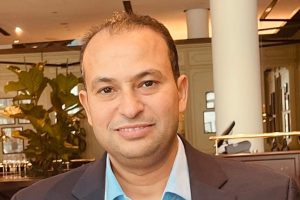
With MENA’s healthcare landscape evolving rapidly, Recordati is expanding its presence, particularly in Saudi Arabia and the GCC, where regulatory advancements and a growing focus on rare diseases are creating new opportunities. Khaled Elrefae, General Manager MENA, is leading efforts to accelerate patient access, strengthen local expertise, and shape the region’s future in rare disease care. As Saudi Arabia advances Vision 2030, Recordati is investing in clinical research, strategic partnerships, and local manufacturing to ensure lasting impact.
How is Recordati strengthening its presence in the MENA region, and what are its strategic priorities for growth?
Over the past nine months, my focus has been on expanding and reinforcing Recordati’s footprint across the MENA region, particularly in Saudi Arabia and the (Gulf Cooperation Council) GCC, where rapid economic and healthcare transformation is underway. The company’s commitment to rare diseases and its mission to “unlock the full potential of life” made this an exciting opportunity to contribute to its regional expansion.
Given Saudi Arabia’s pivotal role in the industry and its ambitious Vision 2030 healthcare objectives, we have taken significant steps to enhance our presence. Strengthening our regional headquarters in Dubai was a key priority, as was establishing a dedicated local team in Saudi Arabia to deepen engagement with regulators, healthcare professionals, and key stakeholders. A major milestone in this strategy was the launch of a Technical Scientific Office in Saudi Arabia, allowing us to work closely with government authorities, healthcare institutions, and scientific experts to accelerate the regulatory process, enhance market access, and ensure that innovative treatments for rare diseases reach patients as efficiently as possible.
Historically, Recordati operated in the region through a distributor-led model, ensuring product availability through local partners. While this model has been effective, the company has evolved its approach to play a more direct and proactive role, particularly in Saudi Arabia and the GCC, as the market is evolving rapidly, and healthcare systems are increasingly prioritizing specialized treatments. By reinforcing our medical, commercial, and regulatory capabilities, we are streamlining drug registration, facilitating approvals, and ensuring closer collaboration with the Saudi Food and Drug Authority (SFDA), key healthcare providers, and industry stakeholders. Our portfolio in rare oncology, hematology, endocrinology, and metabolic disorders requires a high level of engagement with regulators and healthcare professionals, making this transition essential to accelerating patient access to critical therapies.
Beyond Saudi Arabia, the broader MENA pharmaceutical market is growing market. To capitalize on this momentum, Recordati is focusing on direct market expansion in its core territories while strengthening strategic partnerships in regions where local expertise is critical. In North Africa, Lebanon, and Jordan, we are refining our approach by selecting highly capable local distributors who can navigate complex regulatory frameworks and optimize market reach. This dual approach reinforces our presence in priority markets while leveraging strong local partnerships where needed, ensuring Recordati remains at the forefront of innovation and delivers life-changing treatments to patients across the region with efficiency and speed.
How is Recordati expanding its rare disease portfolio, and how does this align with its strategy in Saudi Arabia?
Recordati has solidified its presence in rare diseases, a core strategic focus alongside its specialty care division, which includes cardiovascular and oncology treatments. The company’s targeted acquisitions have played a pivotal role in this expansion, notably the acquisition of EUSA Pharma in 2022 and the recent addition from Sanofi, a groundbreaking therapy for cold agglutinin disease (CAD). These deals, along with the earlier integration of Orphan Europe, underscore Recordati’s commitment to advancing treatments for rare conditions and ensuring broader patient access. This focus aligns with Saudi Arabia’s growing demand for rare disease therapies, where significant unmet medical needs persist. The Saudi government has taken proactive steps to accelerate pharmaceutical innovation, with the SFDA introducing orphan drug designation pathways that streamline regulatory approvals. These reforms allow innovative therapies to enter the market within months, significantly improving access for patients.
However, addressing rare diseases requires more than regulatory efficiency. Building awareness and strengthening local medical expertise are essential to ensuring effective diagnosis and treatment. To support this, Recordati is investing in Saudi Arabia’s healthcare ecosystem, reinforcing its scientific and medical presence, and working closely with regulators, healthcare professionals, and policymakers. By combining its global leadership in rare diseases with localized expertise, Recordati is positioning itself as a key player in Saudi Arabia’s evolving healthcare landscape, ensuring that patients receive advanced therapies without unnecessary delays.
How is Recordati aligning with Saudi Arabia’s Vision 2030 through localization, talent development, and infrastructure expansion?
As Saudi Arabia advances its Vision 2030 agenda, with a strong emphasis on localization, Saudization, and healthcare innovation, Recordati is strategically positioning itself to contribute to this transformation. A key priority is developing local expertise, with the company actively working to attract Saudi professionals across regulatory affairs, quality assurance, medical functions, and business development. Given the government’s commitment to strengthening pharmaceutical capabilities, Recordati is fully engaged in integrating Saudi talent into its regional operations, ensuring a sustainable and skilled workforce that aligns with national objectives.
Beyond human capital, localizing clinical research and manufacturing is a critical component of Recordati’s strategy. The company is actively working to incorporate Saudi hospitals and research centers into global clinical trials, expanding the country’s role in advanced medical research and accelerating patient access to innovative treatments. At the same time, Saudi Arabia’s ambition to become a regional pharmaceutical manufacturing hub for the GCC aligns with Recordati’s long-term vision. While establishing local production requires extensive evaluation, the company is exploring opportunities to develop manufacturing capabilities within the Kingdom, enhancing supply chain resilience and improving regional access to specialized therapies.
To successfully execute these initiatives, building a strong local infrastructure is the first essential step. Establishing a sustainable operational framework will enable Recordati to further advance into localized research collaborations and manufacturing partnerships. By combining global expertise with local investment, the company is positioning itself as a key player in Saudi Arabia’s evolving pharmaceutical sector, strengthening its ability to deliver high-quality, innovative treatments to patients across the region.
How is Saudi Arabia’s regulatory transformation shaping Recordati’s approach to market access and localization?
Saudi Arabia has rapidly modernized its regulatory framework, creating a more efficient and competitive environment for pharmaceutical innovation, clinical research, and local manufacturing. The SFDA has introduced fast-track approval pathways, allowing treatments already approved by the FDA or EMA within the past two years to secure expedited clearance. This shift significantly accelerates patient access to innovative therapies, particularly in rare diseases, where the orphan drug designation further streamlines regulatory timelines.
For Recordati, these advancements provide a strategic advantage in bringing externally acquired innovations to market without unnecessary delays. Additionally, the SFDA’s digital regulatory platform has replaced manual processes, offering a more efficient and transparent system for managing approvals and compliance. By integrating these tools, Recordati can collaborate more effectively with local distributors and regulatory authorities, ensuring a seamless pathway to market. As Saudi Arabia cements its position as a regional leader in pharmaceutical innovation, these regulatory reforms enable Recordati to accelerate drug approvals, expand clinical research collaborations, and explore local manufacturing opportunities, ultimately enhancing patient access and supporting the country’s long-term healthcare objectives.
What are the key unmet medical needs in rare diseases in Saudi Arabia, and how is Recordati addressing them?
Rare diseases remain a critical healthcare challenge in Saudi Arabia, where certain conditions occur at higher rates than global classifications suggest. The most pressing issue is early diagnosis, as many patients remain undetected or are identified too late for effective intervention. In response, the government is accelerating regulatory approvals and promoting industry collaboration to ensure that innovative therapies reach patients faster.
Recordati is actively leveraging these advancements to streamline access to its rare disease treatments, but its efforts extend beyond regulatory approvals. Awareness and diagnosis are pivotal, and the company is strengthening its presence by establishing a dedicated local medical team to collaborate closely with healthcare professionals. Through specialized training, diagnostic initiatives, and targeted awareness programs, Recordati is equipping physicians with the tools needed to identify and treat rare diseases earlier. By aligning with Saudi Arabia’s healthcare transformation goals, Recordati is not only ensuring timely access to advanced therapies but also playing a key role in shaping a more robust rare disease ecosystem through education, early detection, and medical collaboration.
How is Recordati shaping its corporate culture in Saudi Arabia, and what makes it an attractive employer?
As Recordati strengthens its presence in Saudi Arabia, fostering a dynamic and purpose-driven corporate culture is a priority. The company’s transformation is anchored in four key values: innovation, empowerment, focus, and collaboration. Innovation extends beyond treatments to how teams operate and solve challenges, encouraging new ways of thinking. Empowerment creates an environment where individuals take ownership and drive impact, while focus ensures that efforts remain directed toward delivering real value to patients and advancing the company’s mission. Collaboration reinforces the importance of cross-functional teamwork, ensuring that success is shared and sustained.
In building its team, Recordati seeks professionals who not only embody these values but also demonstrate a deep commitment to improving patient outcomes and contributing to Saudi Arabia’s healthcare evolution. The company offers a unique position in a competitive market, distinguished by its dedication to rare diseases, an area where medical advancements have an immediate and profound impact. With its ongoing transformation and regional expansion, Recordati provides an environment where professionals can drive innovation, influence industry change, and grow within a company that prioritizes both purpose and progress.
How would you define your leadership style, and how does it shape your approach at Recordati?
My leadership philosophy is built on growth, transformation, and a patient-first mindset, with a focus on strategic impact rather than routine operations. I am driven by the challenge of building organizations, expanding market presence, and shaping sustainable healthcare solutions. The opportunity to establish Recordati’s infrastructure in Saudi Arabia aligns perfectly with this vision, offering the chance to create long-term value through bold, forward-thinking initiatives.
While operational efficiency is essential, my approach is centered on driving change, fostering innovation, and positioning the company for sustained success. To me, leadership is about identifying opportunities, overcoming challenges, and ensuring that every strategic step contributes to better patient outcomes. Being part of Recordati’s expansion in Saudi Arabia is not just about market entry, it is about laying the foundation for meaningful, lasting progress in healthcare.
What are Recordati’s key priorities for 2025 and beyond, and what final message would you like to share with industry leaders?
As Recordati looks toward 2025 and 2026, its focus remains on expanding its footprint in the GCC, particularly in Saudi Arabia and the United Arab Emirates. Strengthening local capabilities in these strategic markets is essential to ensuring that innovative therapies reach patients efficiently and in a timely manner. At the same time, with the Saudi, Gulf, and Maghreb markets experiencing steady growth, the company is committed to leveraging this momentum, reinforcing its regional infrastructure, and driving sustained long-term expansion.
At its core, Recordati’s purpose of “unlocking the full potential of life” reflects its broader commitment to delivering meaningful impact beyond treatments. The company remains dedicated to collaborating with key stakeholders across and beyond Saudi Arabia, working to accelerate access to innovation and address pressing healthcare needs. By fostering strong partnerships, prioritizing patient access, and driving forward its rare disease mission, Recordati is positioning itself as a key player in shaping the future of specialized healthcare in the region.