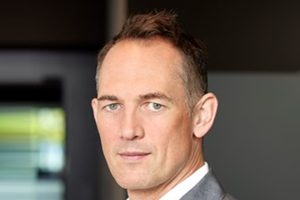
Hendrik von Waldburg, Country Manager of Angelini Pharma S.p.A., Rom, Zweigniederlassung Zug, shares insights into the company’s ambitious vision for brain health and its expanding presence in the Swiss market. With a strong background in CNS and a focus on innovative therapies, Hendrik discusses the challenges and opportunities of building a new affiliate, including attracting top talent, establishing a robust culture, and successfully launching new products. He also highlights Angelini’s commitment to collaboration within the Swiss healthcare ecosystem and its goal to lead in brain health—improving the lives of patients affected by neurological and psychiatric conditions.
You have an impressive background in Big Pharma across several different MNCs. Could you share a bit about your career journey and what ultimately led you to join Angelini?
It has been an interesting journey honestly. I grew up in Switzerland and studied Veterinary Medicine in Univestity of Zurich. In that field, you are very focused on the animal hospital setting, and there is not much interaction with Big Pharma, not even in Switzerland. After finishing my studies, I went on to complete my doctorate at the Institute of Anatomy at the University of Zurich. One day, I saw a job application for GSK online. To be honest, I had no idea about the pharma industry, but I applied and began my career there.
Inthe role of Head of Training department, I was responsible for training and educating the sales force, as well as supporting product managers and various others within the team. After about a year and a half, I transitioned to working on launches at GSK, which was based in Bern while I was still living in Zurich. Later, I came back to Zurich and joined Lundbeck, where I spent quite a few years. That role was significant for me because it allowed me to gain deep expertise in brain health, specifically in launching treatments for depression, epilepsy and schizophrenia.
After Lundbeck, I moved to Biogen, where I worked on a new product launch. Unfortunately, the drug had to be withdrawn from the market within the same year due to side effects, which was undoubtedly a challenging experience. However, it also provided a significant learning opportunity, helping me gain deeper insights into the complexities of the industry and the importance of patient safety. From there, I joined Merck as the Business Unit Director for their CNS portfolio, where I led the launch of a treatment for multiple sclerosis. I stayed there for nearly five years, really developing my leadership in CNS.
Finally, the opportunity to join Angelini as General Manager came along. There were, of course, many reasons to make the move. The most important ones were the exciting opportunities to build an affiliate from scratch, shape the culture of the whole affiliate, and launch an innovative new treatment for patients in a new role as General Manager. It was a difficult choice to leave my team at Merck and embark on a completely new journey. But in the end, I decided to go for it, driven by the possibilities at Angelini.
What was the core appeal of this transition, moving from a large multinational like Merck to Angelini? What motivated you to embrace this new challenge?
A headhunter initially approached me for the role, and after a series of discussions, I travelled to Rome for interviews at the headquarters “Casa Angelini”. There, I met with several members of Angelini’s senior leadership who shared their vision for Angelini—a company that had been primarily Italian-focused, with a strong base in Italy and a deep-rooted family-owned structure. Their goal was an ambitious one—to become a global leader in brain health. Hearing about this was truly exciting.
During the interview, I asked what was currently established in Switzerland, and the response was straightforward: “Basically nothing.” Angelini had acquired Arvelle Therapeutics, with a few finance personnel handling the transition, but beyond that, I would be building the Swiss affiliate from scratch. The idea of creating something entirely new was incredibly motivating, and the decision to join became clear to me.
In some ways, I see Angelini in Switzerland as a kind of startup, but one with solid support from its established Italian foundation. We have the benefits of a growing company but with the unique dynamics of a smaller team expanding every month. This growth is not without its challenges of course. We are very selective about each new hire to ensure the right fit for the company and for those who want to embark on this journey with us. It is a challenge, but it is also one of the most fulfilling aspects of this role.
Angelini’s home base in Italy is quite nearby. Could you explain the rationale and strategic importance behind establishing a direct presence in Switzerland?
When Angelini acquired Arvelle in 2021, it came with an existing office in Switzerland, which led us to consider establishing a dedicated affiliate here. Angelini’s vision is clear: to become a leader in brain health, which requires an established presence in all key European markets. To bring innovative therapies to market effectively, having direct affiliates in these strategic locations is essential. A company simply cannot achieve impactful market penetration without it.
Beyond market presence, Switzerland offers unparalleled access to an extensive talent pool, something that can sometimes be underestimated. Globally, Boston may come to mind first as a talent hub, but Switzerland ranks closely behind. Despite its small size, the country’s proximity to leading industry talents makes it an efficient base for recruitment and collaboration. For a company focused on brain health and innovation, establishing a strong footprint in Switzerland is not only strategic but essential.
Reflecting on your year and a half in this role, what have been your primary areas of focus as you shape Angelini’s presence in Switzerland?
My initial focus has been establishing this affiliate from the ground up, which is essential for bringing Angelini’s innovative therapies to the Swiss market. This setup is foundational to ensure that we can operate effectively and make new treatments accessible here. Building a talented, sustainable team was the next key priority. We are not just looking to create an organization but a resilient one that will be impactful for years to come. Lastly, establishing a strong and inclusive culture has been essential. We are uniting people from diverse backgrounds, so creating a shared culture from scratch is crucial to align everyone with a common vision and way of working.
On the operational side, one of our first achievements was working with Swiss authorities to ensure patient access for one of our innovative therapies for epilepsy that was previously not readily available here. We’re very pleased to have successfully navigated these discussions so patients now have access to this important treatment.
As for the team, I am genuinely proud of the talent we’ve attracted. In a competitive landscape with established companies like J&J, Biogen, Novartis and Roche we have drawn in individuals who are enthusiastic about being part of this exciting journey. We involve multiple people in our hiring process to ensure we bring in those who truly align with our culture. It’s simple: talent attracts talent, and people want to be challenged, allowed to make mistakes and learn quickly from them. We create a high-performing, agile work environment where team members can shape the culture, ensuring their efforts are both valuable and meaningful. This approach helps align their personal “why” with the company’s values and mission. Roles like product management are multifaceted, offering autonomy for individuals to expand their skills and take ownership of their growth.
This environment thrives on embracing mistakes, fostering accountability, innovation, and execution while keeping our standards high to make us a place of personal development, joy, and peak performance.
Switzerland is home to major industry players, making the competition for top talent intense. What is your approach to attracting highly skilled professionals to a relatively new affiliate?
My approach to attracting top talent is to offer them the chance to be part of building something meaningful, and to help shape a company from the ground up. I do not focus on age or fixed profiles, but instead, I look for people who are energized by the uncertainty and challenges of a startup environment. Yes, we have some foundational support from our base in Italy, but many aspects here are unestablished, meaning that things will need to be built, adjusted, and sometimes overhauled. This dynamic environment brings inevitable setbacks, but it also offers an incredible opportunity for fast personal and professional growth.
Uncertainty can be inspiring, and I believe in drawing an honest picture of this journey rather than just selling it. We involve our current team in recruiting because they can share their real experiences with candidates, helping them understand the culture and environment directly. This process ensures we hire individuals who genuinely fit our team culture and are comfortable with the uncertainties of a developing affiliate.
To secure the right people, we invest significant time in recruitment and network-building. Talent acquisition is a shared responsibility at Angelini, with everyone playing a part—from the finance head to the medical team. Each individual brings their own network to the table, and we leverage these connections well in advance, anticipating the roles we’ll need to fill in the coming years. When the whole team is involved, they naturally attract like-minded individuals, reinforcing a culture where talent attracts talent.
The current ambition of Angelini is to become a future leader in brain health. Could you elaborate on the brain health portfolio that you represent in Switzerland and how it aligns with Angelini’s evolving focus?
As a family-owned company, Angelini has a substantial portfolio in selected markets, but not across all. With the acquisition of Arvelle, we are firmly committed to a strategy that underscores our aim to lead in brain health through innovative treatments.
Our first significant step in this direction is the launch of our treatment for focal-onset epileptic seizures, which we are currently introducing in Switzerland and various other European countries. Angelini is also active in the M&A space, recently forming a partnership to expand our pipeline with a new brain health asset—steadily building toward our goal of being leaders in the CNS space.
While I cannot pinpoint the exact timeline for future launches, I am open with our team about this evolving path. For now, our immediate focus is ensuring a successful rollout of our ongoing launch and to be ready for upcoming launches. Doing this well, will help solidify our local presence and increase our chances to make more innovative therapies available to the Swiss patients in the near future.
With your extensive experience in CNS and brain health across various companies, what are your insights into the current market landscape – including trends, challenges, and policy developments – in Switzerland?
In Switzerland, the brain health market intersects closely with neurology and psychiatry, where we see strong networks of specialists in both hospitals and office-based settings. To engage this landscape effectively, especially for a new launch, it is essential to not only have visibility through a dedicated team but also to prioritize education across all stakeholders. Our goal is to ensure that everyone—from healthcare providers to patients and insurers—understands the therapy’s use. This will ensure that the right patients can access the right treatment—maximizing therapeutic outcomes.
Launching a new drug, particularly one with higher efficacy, often begins with complex patient cases, which can pose challenges for early adoption. This could potentially delay the benefits of such treatment to a broader patient population. Therefore it is crucial to communicate clearly with healthcare providers, establishing an ideal initial patient profile based on available data to set the drug up for a successful introduction. This requires extensive collaboration, first focusing on hospitals and then transferring that knowledge to office-based physicians.
This type of structured rollout is especially important in Switzerland, where our launch cycles often trail behind those in other regions like the US. By leveraging insights from prior global launches and sharing these experiences with Swiss healthcare providers, we can better support our local rollout and streamline patient access.
Based on your work in Switzerland, what has been your perspective on market and patient access for Angelini’s treatments in CNS?
In my experience, open, in-person exchanges with regulatory authorities, such as Swissmedic and the Federal Office of Public Health (FOPH), have proven invaluable in resolving challenges efficiently. Although there is sometimes hesitancy to engage them directly, opting instead for email exchanges, I firmly believe that these face-to-face conversations lead to clearer understanding and faster solutions. These direct discussions could be particularly beneficial in specific cases, where being able to align perspectives personally, could lead to better outcomes for both sides.
Switzerland is a small and highly pragmatic country, and with the right resources, we have the potential to operate in a much more agile manner. We possess the talent within affiliates and government alike to be swifter in our approach to introducing innovative therapies—always with patient safety as the priority. I see no reason why we should not work towards faster access for patients to new treatments, without compromising safety and quality. It is essential that we remain vigilant against processes that could slow us down unnecessarily, especially since we have demonstrated capability for quick adaptation—as seen during the COVID-19 response.
For an innovative country like Switzerland, I truly feel we should be at the forefront of launching new therapies, rather than waiting for other countries to set the precedent. My aspiration is for Swissmedic and the FOPH to become a “first waver” agencies—capable of leading on new drug approvals. With the right expertise and an efficient, smaller-scale setup, Switzerland has a unique position to be faster and closer to market than larger countries and competing on these aspects is where Switzerland can truly stand out in the global life sciences landscape. We should be playing to our strengths and adding significant value to both patients and the broader industry.
Mental and brain health conditions often carry societal stigma and require heightened educational efforts. How is Angelini working to address these issues within Switzerland?
At Angelini, we work closely with patient associations, particularly in epilepsy, to address societal stigma and to provide meaningful support beyond medication. This partnership approach varies across conditions, as each patient association has its own level of openness towards working with pharmaceutical companies. Some groups are more hesitant, while others are very receptive, and we respect these boundaries fully. There are strict guidelines in place—across the entire industry, not just at Angelini—regarding who within the company can interact with patient associations and how these interactions should be conducted.
Our medical department engages in productive, often intense exchanges with these associations, focusing on the overall benefit to the patient rather than on specific medications. This collaboration is largely about raising awareness, reducing stigma, and understanding how we can better support the community at large. Supporting brain health goes far beyond offering a drug—it is about building relationships and working hand-in-hand with patient associations at both the global and local levels. Locally, our level of engagement is shaped by each organization’s specific needs and openness, but we are fully committed to investing resources to make a positive impact where possible.
Building a new affiliate involves creating a team, a structure, and, importantly, a culture. As a leader, what kind of organizational culture are you aiming to cultivate at Angelini in Switzerland?
Building a new affiliate is not just about assembling a team and creating the structure, but it is also about establishing the right culture. While we embrace Angelini’s global culture, in Switzerland, we have developed a unique version that reflects both our core values and the input of our employees. This culture is something we have built together as a team, and it aligns with both my personal leadership vision and Angelini’s greater values. However, it also incorporates elements that came directly from our employees as they expressed what matters the most to them.
During the interview process, we make sure to share this culture with all candidates. It is not just me who explains it, but it could be anyone from the team who shares their personal perspective on what the culture means to them. For some, the value of embracing mistakes is key, for others, enjoyment or professional development are the focus. Each person may have a different priority, and that is what makes it so meaningful.
I believe that if you have talented people, you should let them shape the culture, while guiding them with a clear understanding of what is expected globally. As a family-owned company, it is important to maintain the Angelini culture here in Switzerland. Nevertheless, I want our team to have their own version of the Angelini culture. One that reflects what we have collectively developed.
As you look toward the future, what are your primary objectives for Angelini in Switzerland in the coming years?
My first priority is to establish our presence through successful product launches. This is crucial for us, as it will demonstrate that we are a strong and successful affiliate. Additionally, Angelini is active in M&As, and while I cannot predict what will happen, we can expect more product launches in the near future. My goal is for our team to be capable of executing the best product launches in Europe. While comparing to the scale of launches in the US is difficult, I am confident that our team can be empowered and prepared to deliver a proportionate level of success.
We already have the right team in place, and now we need to establish the right processes to ensure we can execute these launches effectively—especially for a company of this size. If something happens in the M&A market, we must be adaptable and prepared for change. If we have the right people in place—people who can handle uncertainty—I am confident that we will be well-prepared to navigate whatever challenges come our way.
What key message would you like to share on behalf of Angelini with the Swiss healthcare ecosystem?
Angelini is committed to becoming a leader in brain health and driving change in this area. This is not something that can be achieved by one individual alone, but it requires collaboration from all sides of the ecosystem. To improve the treatment journey in brain health, we need support from everyone involved, including government bodies, patient associations, healthcare professionals, industry players, and even startup companies. Everyone must work together towards this common goal.
If everyone understands that Angelini’s mission is to lead in brain health and to serve millions of patients still suffering from debilitating diseases, then we can act with a shared sense of purpose. If we can help these patients regain entirely or even a small part of their quality of life, we are all doing meaningful work. Seeing the bigger picture and focusing on collaboration, rather than competition, is key. If we all contribute positively, whether it’s through a good report or a successful partnership, we will move one step closer to helping these patients—and that is what truly matters.