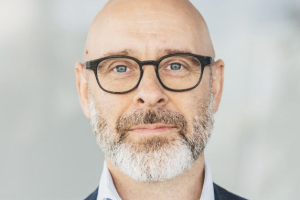
Founded in 2017 by a group of biotech veterans with deep expertise in antibody engineering, CDR-Life has evolved into a platform-driven company advancing next-generation T-cell engagers for oncology and autoimmune disease. With assets progressing through clinical trials and a strategic partnership already in place, CEO Christian Leisner discusses how the Swiss-based biotech is navigating scientific, operational, and financial complexity with quiet precision.
What led to the creation of CDR-Life in 2017, and how did your early career shape the company’s foundation?
My journey to founding CDR-Life began over two decades ago when I moved from Denmark to Switzerland to pursue a PhD in biochemistry at ETH Zurich. Following my doctoral studies, I joined Novartis to gain hands-on experience in drug development, which eventually led me to ESBATech, a small but promising Zurich-based biotech company focused on antibody fragment-based therapeutics. ESBATech had been acquired by Alcon, a US eye care specialist, which in turn was acquired by Novartis – bringing me back into its orbit.
It was at ESBATech that I met the colleagues who would become my future co-founders at CDR-Life: Dominik Escher; Leonardo Borras, Chief Scientific Officer; Konstantin von Schulthes, Chief Financial Officer; and Rouven Bingel-Erlenmeyer, Chief Technology Officer. As ESBATech became fully integrated into Novartis, we recognised an opportunity to pursue new ideas. Drawing on the deep scientific and operational expertise we had accumulated in antibody fragment technologies, we decided to found CDR-Life with the ambition of applying this knowledge to a new frontier in oncology.
While generating ideas is relatively straightforward, transforming them into reality is far more demanding. At the outset, we had no intellectual property, no data, and very limited funding. To create a foundation for growth, we initiated a side project in ophthalmology – an area in which we had already achieved success – intending to secure a licensing deal that could fund our core focus in oncology. This strategy proved effective, and in the spring of 2020 we finalised a licensing agreement with Boehringer Ingelheim. The partnership enabled them to advance the ophthalmology asset into clinical development and provided us with the validation and momentum needed to attract investment. This collaboration laid the groundwork for our subsequent Series A round, which we closed in 2022, raising USD 75 million from a mix of European and American investors. That funding milestone marked a turning point for CDR-Life, allowing us to further develop our oncology pipeline and accelerate the company’s evolution from concept to execution.
How does CDR-Life’s T-cell engager platform set the company apart in the evolving landscape of cancer immunotherapy?
CDR-Life is driven by the ambition to create next-generation cancer therapies that significantly enhance tumour eradication while remaining scalable and accessible. While we maintain select programmes in other areas, such as ophthalmology, our core focus is the development of highly effective immunotherapies for solid tumours. Central to this effort is our proprietary T-cell engager platform. An off-the-shelf biologic solution that contrasts sharply with the complexity of autologous cell therapies like CAR-T, offering a more streamlined and deployable treatment modality.
From inception, our goal was to design a best-in-class T-cell engager format capable of targeting a broader range of antigens than existing technologies. Many conventional approaches are restricted by the nature of the target being too small, inaccessible, or insufficiently expressed in tumour tissue. Our platform, however, has consistently demonstrated the ability to engage targets traditionally deemed undruggable, including highly cancer-specific and durable ones absent from healthy tissues.
This differentiation is built on two critical pillars: a discovery engine capable of identifying precise antibody fragments across a wide spectrum of antigens, and a proprietary molecular scaffold engineered to meet the demands of real-world drug development such as manufacturability, long-term stability, and optimal behaviour in vivo. While many companies have succeeded within narrow target classes, our technology was designed from the ground up to unlock the full potential of T-cell engagers across oncology and beyond.
How does your technology expand the range of viable tumour targets while ensuring a safer therapeutic profile for patients?
In oncology, the central challenge lies in achieving efficacy without unacceptable toxicity, a balance often constrained by the lack of cancer-specific targets. Many antigens expressed on tumour cells are also present on normal tissue, meaning that highly potent therapies like T-cell engagers can cause serious damage to healthy organs if they are not precisely targeted. At CDR-Life, our platform is designed to widen the pool of addressable antigens, thereby increasing the likelihood of identifying rare targets that are truly restricted to cancer cells.
By focusing on these highly specific targets, we can unlock a significantly improved therapeutic window, the margin between effective and toxic dosing. This precision is critical. If we were to direct a T-cell engager against a widely expressed antigen such as HER2 for instance, toxicity could emerge before therapeutic efficacy due to its presence on normal tissue. Instead, by targeting antigens uniquely associated with malignant cells, we can fully harness the potency of our format without compromising patient safety. In this way, our platform supports the development of immunotherapies that are not only more effective, but also significantly safer for patients.
What progress has been made with your lead asset, CDR404, and what key milestones lie ahead for the programme?
CDR404 is our lead therapeutic candidate and is currently being evaluated in a Phase I basket trial targeting MAGE-A4-positive solid tumours, including ovarian, lung, head and neck cancers, as well as sarcomas. This study design allows for diverse patient inclusion and the opportunity to assess both safety and early efficacy across multiple indications. Initiated in the US in the second half of last year, and subsequently expanding into Europe, the trial reached full geographic activation earlier this year, enabling strong recruitment momentum across both regions.
Although the programme remains in the dose-escalation stage, we have already observed early signs of clinical activity, including biomarker responses at the first dose level, which is uncommon at this stage and suggests that the therapeutic threshold may be closer than initially expected. This encouraging development could reduce the number of patients required to reach proof of concept, a critical advantage given the time and resource pressures faced by early-stage biotech companies. We anticipate reaching this inflection point by mid-2026 and are currently building a broad, robust dataset to support it. While cautious optimism is warranted, the early data underscore the promise of the programme and reinforce our confidence in its clinical potential.
How does CDR111 exemplify CDR-Life’s strategic expansion into autoimmune disease, and what makes this programme distinct?
The announcement of CDR111 represents a significant evolution in CDR-Life’s pipeline strategy, marking the company’s first move beyond oncology into autoimmune disease. While our oncology pipeline programmes continue to progress toward Investigational New Drug (IND)-enabling studies, CDR111 introduces a new therapeutic dimension to our T-cell engager platform. This first-in-class trispecific candidate is engineered to bind T-cells on one arm and simultaneously target two distinct B-cell antigens implicated in autoimmune pathology, offering a highly selective and potent approach to depleting pathogenic B-cells.
The therapeutic rationale is to achieve an “immune reset” by clearing autoreactive B-cells not only from the bloodstream, but also from deeper lymphoid compartments such as the bone marrow and spleen. This mechanism aims to allow the regeneration of a non-pathogenic immune repertoire, thereby addressing the root cause of disease rather than merely controlling symptoms. The approach is inspired by recent clinical research from Germany, where B-cell depletion has shown potential to induce long-lasting, treatment-free remission in patients with severe autoimmune disorders. CDR111 builds on this breakthrough with a precisely designed molecule capable of delivering this effect through a scalable, biologic format, opening new possibilities for patients living with chronic immune-mediated conditions.
How does your platform-based approach support cross-indication expansion and reinforce CDR-Life’s identity as an antibody engineering specialist?
CDR-Life’s evolution from a tumour-focused biotech to a platform-centric company reflects the depth and adaptability of its scientific foundation. While oncology remains a core area, our identity is defined less by indication and more by our expertise in antibody engineering and the design of next-generation biologics. Our focus on T-cell engagers stems from the significant therapeutic promise we recognised in this modality, particularly in solid tumours. As compelling clinical evidence emerged supporting the use of T-cell engagers for B-cell depletion in autoimmune disease, it became clear that the same engineering principles could be applied with equal precision in a different therapeutic context, further validating our technology’s reach.
This translational versatility is exemplified by the molecule we developed for geographic atrophy, now in Phase II clinical trials under partnership with Boehringer Ingelheim. Although it operates via a different mechanism than our immuno-oncology or autoimmune assets, it was built using the same M-gager® platform. The scientific challenges we addressed, such as targeting a protein with multiple isoforms, mirror those encountered in our T-cell engager programmes. That consistency in complexity and the ability to apply our technological solutions across domains speaks to the strength and elegance of the platform. It also provides strong external validation of our approach, strengthening investor confidence and reinforcing the long-term strategic value of our engineering-led model.
How is CDR-Life approaching financing in today’s challenging investment climate?
CDR-Life has pursued a deliberate financing strategy that blends equity investment with strategic partnerships, allowing us to remain agile while securing both capital and expertise. Our USD 75 million Series A round, closed in early 2022, came just as the capital markets began to turn from a period of buoyant early-stage investment towards greater caution. Closing at that juncture gave us meaningful runway and allowed us to remain focused on pipeline execution. However, as is the case for all research-driven biotech firms, continued capital is essential for advancing development programmes and sustaining long-term momentum.
Strategic partnerships form a critical part of this approach. Beyond financial support, they bring operational value, know-how, and third-party validation – qualities that have become even more important amid tightening investor sentiment. Our collaboration with Boehringer Ingelheim exemplifies this model and continues to serve as a benchmark of what our platform can deliver. As we now initiate outreach for our next financing round, we are building on that foundation, confident in both the strength of our science and the credibility of our execution.
How would you describe current investor sentiment around early-stage biotech, and what signals are you receiving in your latest fundraising efforts?
As we have only recently initiated outreach for our next funding round, it is still early to draw definitive conclusions. Initial conversations have shown strong interest in our scientific platform and development pipeline, with stakeholders eager to understand our progress and positioning. However, the prevailing market environment remains cautious and markedly more selective than in previous years. Investors today are generally inclined to delay commitments, preferring to see further data or greater proximity to commercial or partnership milestones before engaging. This growing demand for de-risked opportunities reflects a broader shift in how capital is being allocated across the sector.
This hesitancy is compounded by the continued stagnation of the initial public offering (IPO) market, which has significantly limited traditional exit options for venture investors. As a result, companies must now present not only compelling science but also a clear, near-term path to value inflection. Over the coming months, we expect to gain a clearer picture of how these dynamics will play out. In the meantime, we remain focused on maintaining strategic clarity, advancing our pipeline, and ensuring that our investor dialogue is firmly grounded in data and execution.
What is your approach to building and sustaining long-term strategic partnerships, and how do you assess the right fit for collaboration?
For CDR-Life, successful partnerships are rooted in substance, preparation, and trust built over time. Everything begins with having high-quality assets; programmes backed by solid data and developed through a robust, antibody engineering platform capable of delivering differentiated drug candidates. With several such assets now in hand, we are able to engage potential partners with compelling scientific propositions. But science alone is not enough. Strategic collaborations require visibility and consistency; this means engaging early and allowing partners to observe our execution over time, seeing that we meet milestones as projected, and that our claims are borne out in data.
Our partnership with Boehringer Ingelheim was forged through this kind of long-term engagement, built on transparency and technical credibility. Today, with the recent appointment of
Sarah Holland as Chief Business Officer who brings extensive experience and commercial acumen, we are ideally positioned to convert this groundwork into new strategic alliances. In an investment climate where execution is under intense scrutiny and capital is selective, the ability to demonstrate organisational maturity, discipline, and follow-through is paramount. With a leadership team averaging over two decades of biotech and drug development expertise, CDR-Life offers not only innovative science but also the operational foundation required for sustainable, value-driven partnerships.
How was CDR-Life’s team built, and what guiding principles shape the company’s culture and leadership?
From the beginning, CDR-Life has been defined by the strength and composition of its team. At the company’s inception, we had no data, infrastructure, or funding, only a set of ideas and a founding group of experienced biotech professionals who had worked together in the past and understood what it takes to bring therapeutics to market. The team was assembled deliberately, with complementarity as a core principle: each member brought distinct expertise, perspectives, and problem-solving approaches, while sharing a common vision. That diversity across scientific disciplines, nationalities, and professional backgrounds proved essential in building a resilient foundation.
Today, the company has grown to approximately 65 employees, with a leadership team of six, including all original founding members. Many of our earliest hires, recruited not only for their technical capabilities but for their belief in the company’s long-term mission, have advanced into leadership roles overseeing key departments such as discovery, pharmacology, and Chemistry, Manufacturing, and Controls (CMC). In the early, resource-constrained phase, the success of CDR-Life depended on the intrinsic motivation and dedication of individuals willing to commit to the mission under challenging circumstances. That spirit endures today, guiding how we hire, lead, and scale; seeking not only expertise but also alignment with the company’s purpose and long-term ambition.
Why did you choose to establish CDR-Life in Switzerland, and what makes it an advantageous environment for building a biotech company?
Switzerland has offered a uniquely fertile ground for building CDR-Life, particularly in terms of access to talent and the strength of its scientific ecosystem. From the outset, the ability to attract exceptional individuals both locally and internationally was critical to our success. The country’s reputation for quality of life, combined with its dynamic life sciences sector, has made it remarkably easy to recruit top-tier professionals from abroad. Today, our team of 65 spans 17 nationalities, with colleagues relocating to Switzerland specifically to join us. This diversity, coupled with a deep local talent pool around Zurich and Basel, has enabled us to build a team of exceptional calibre.
Equally important is Switzerland’s compact geography, which fosters connectivity and collaboration across the country’s key innovation hubs. The close proximity of Zurich, Basel, and other centres of excellence makes it possible to build strong networks and partnerships with minimal friction. Our collaborations with institutions such as ETH Zurich exemplify the kind of meaningful engagement that is facilitated by this environment. In sum, Switzerland combines accessibility, international openness, and scientific excellence in a way that is uniquely conducive to building and scaling a high-performing biotech company.
What are your ambitions for CDR-Life in the years ahead, and what advice would you offer to future biotech entrepreneurs navigating today’s environment?
Looking ahead, CDR-Life is entering an important phase of clinical validation. In ophthalmology, our partnered programme is progressing through a Phase II trial, with the potential to demonstrate efficacy in the near term. In oncology, our lead programme is advancing through Phase I, with early signs of clinical activity already observed. By the end of the year, we hope to confirm consistent, reproducible data that further supports its potential. These clinical developments are enabled by the strength of our end-to-end T-cell engager platform, which allows us to move from molecular design through to clinical-stage drug product, a rare capability that positions us to continue generating high-value therapeutic programmes across indications.
Reflecting on the past eight years, building CDR-Life has been the most fulfilling and transformative experience of my career. The process of assembling a team, nurturing ideas into viable therapies, and collectively working toward a mission of real-world impact offers a profound sense of purpose. That said, the journey is demanding, and success requires more than scientific ambition. For aspiring entrepreneurs, my advice is to commit fully to your vision and maintain the resilience to navigate the inevitable uncertainty. Progress in biotech rarely follows a straight line, but with conviction and perseverance, the rewards can be extraordinary, both personally and professionally.