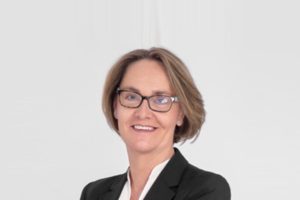
Anne Mette Wiis Vogelsang, CVP & General Manager of Novo Nordisk Switzerland, discusses Switzerland’s progressive healthcare landscape while addressing key issues like diabetes care, obesity, and systemic healthcare challenges. Vogelsang also calls for increased prioritization of a holistic approach to health, highlighting the importance of primary and secondary prevention, early diagnosis and an improved health ecosystem.
Your career spans diverse roles across various geographies. How have these experiences equipped you for your role in Switzerland?
Coming to Switzerland after my time in China feels a bit like returning home. While I have worked in vastly different environments, like the US and China, Europe has its own unique dynamics, and Switzerland in particular has this strong focus on quality and innovation that is deeply embedded in the culture. When I accepted this position, one of the main attractions was joining an environment where innovation is highly prioritized. Here in Switzerland, we launch products early in the market, reflecting both the high-quality expectations of the public and the government’s proactive stance on healthcare and innovation. This focus makes it an exciting place to work, especially knowing we are also helping to shape solutions that can impact the world beyond Switzerland.
Over the last 13 years with Novo Nordisk, I have had the privilege of working in a range of countries and roles—starting in Denmark in our manufacturing headquarters, then moving to Poland with broad GM responsibilities across the Baltic states, and holding a regional leadership position spanning commercial, legal, and financial functions. In the US and later in China, I had the additional opportunity to oversee Hong Kong as a general manager and lead diverse functions. Each of these roles offered unique experiences and perspectives that I carry with me.
My background also extends beyond pharma with half of my career was outside the pharmaceutical industry. I began in government, working on EU negotiations involving subsidies for the farming sector, and later transitioned to media before spending nine years in the oil and gas sector amongst others with strong learnings from mergers and acquisitions. This diverse background helps me approach challenges with a broad, enterprise-level view, contributing to the advancement of the Swiss health care system while furthering Novo Nordisk’s global strategy.
Having worked in a variety of dynamic environments, what are your impressions of the relatively stable setting in Switzerland?
Switzerland is a fascinating setting because, on one hand, it is incredibly stable and reliable; on the other, it is a top innovator. Balancing these two aspects is essential, especially in healthcare development. Switzerland has been proactive in recognizing the need for a holistic, long-term approach to health—often more so than other countries. This environment allows us to create impactful solutions here that can also be applied elsewhere, as we do in Denmark, for instance. Here in Switzerland, we work closely with a broad range of stakeholders across government, healthcare and society to help shape the future of healthcare.
That said, I do have some concerns about where Swiss healthcare is headed. The focus on cost containment is understandable, but we must remember that medicine accounts for less than 12% of overall healthcare expenditure. With Switzerland’s decentralized healthcare system, the focus often falls on this small percentage rather than the broader costs of healthcare provision. Drug prices are frequently reviewed, with significant funds being returned to Swiss society—about CHF 1.5 billion annually in price reductions, according to Interpharma. It is crucial to maintain a balanced approach.
To address these challenges, we must adopt a more comprehensive perspective. As people live longer and face more chronic health issues, the societal burden will only increase. We need to act sooner with primary and secondary prevention strategies to manage future costs and improve health outcomes. Medicine, education, and evolving healthcare perspectives all play a role here. This is a large-scale challenge, and it is essential for healthcare stakeholders across the system to collaborate on sustainable solutions. That’s one of the reasons I joined the Interpharma BoD. I believe that partnerships are key to advancing healthcare.
Despite these efforts, Switzerland is showing signs of falling behind. Data suggests that products are generally available in Germany sooner than they are here. This reflects a misalignment with the social contract — the expectation that the government will deliver the best and most timely healthcare to the Swiss public.
In your view, what is driving the recent challenges in healthcare access efficiency? Are these primarily financial constraints, or are there broader social aspects to consider?
I believe the current healthcare system is not fit to address the growing need for chronic care. It is designed to treat people when they are already ill, but data consistently shows that we are diagnosing conditions far too late. Take diabetes, for example, which has been manageable for over a century. Despite the availability of effective treatments, many patients are diagnosed and treated only after significant complications have developed. If we could identify these patients earlier, many of these long-term issues could be prevented. This shift in approach calls for a societal commitment to prioritize prevention and early intervention.
A recent report from the European Society of Cardiology on obesity and cardiovascular disease highlights how lifestyle factors are driving this challenge. We are consuming more calories but expending less energy, which is a recipe among others for poor health outcomes. Although this report focuses on Europe as a whole, the findings are highly relevant for Switzerland too. We need to reimagine our approach to lifestyle as a society, with everyone involved — schools, the food industry, and other societal players — working together to promote healthier choices. It is about finding solutions that address the root causes of these issues rather than just treating the symptoms.
Novo Nordisk has an extensive history in advancing diabetes treatment. How would you assess the current landscape of diabetes care and infrastructure in Switzerland?
Diabetes is a growing issue, with rising obesity rates contributing to stable but significant diabetes prevalence. According to recent reports from the International Diabetes Federation, a substantial portion of diabetes cases remain undiagnosed, and those who are diagnosed often receive treatment too late. This delay leads to severe complications such as vision loss, poor circulation, amputations, and a much higher risk of cardiovascular disease — issues that are all too common in Switzerland, despite its world-class healthcare system.
One challenge is that diabetes is largely invisible, and people often do not feel the effects until the disease has progressed. This is why we need to focus more on preventive measures. At Novo Nordisk, diabetes is our legacy, and for over a century, we have worked to change lives through advancements in diabetes care. One hundred years ago, a diabetes type 1 diagnosis was often fatal, but today, people with type 1 diabetes can lead normal lives with proper treatment. We are committed to pursuing innovations in diabetes, for example exploring new approaches to dosing. While we cannot cure type 2 diabetes, we remain hopeful about developing a cure for type 1 diabetes in the future.
Our commitment extends beyond diabetes. We feel a strong responsibility to support those with chronic diseases, including rare diseases such as bleeding disorders, even when the patient population is small. For us, the societal impact of these efforts is paramount. The dedication to holistic societal benefit is at the heart of what we do.
Given the increasing prevalence of diabetes, what strategies do you believe would be most effective in addressing these challenges? Should the focus be on expanded screening, digital innovation, or other approaches?
To be honest, I believe few diseases justify independent screening programs given the associated costs. Rather than formal screening, I think we need a shift in how we view healthcare holistically. This means approaching each patient with a mindset of early prevention and education to make them aware of potential complications and long-term risks. I am often surprised by the general lack of knowledge about diabetes. Despite its prevalence—most of us know someone affected—there remains a gap in understanding its causes, symptoms, and potential impacts. Raising public awareness is essential to help people recognize early signs and risks.
Historically, we have seen cardiovascular disease rates decline due to effective treatments and early interventions. However, this trend is now reversing as chronic diseases like diabetes and obesity, which contribute to cardiovascular issues, are on the rise. This shift signals a larger problem; it shows we are not addressing these risks early enough. So, the answer is not simply more screening but rather a comprehensive approach involving healthier lifestyles, primary care engagements, and early preventive action.
To prioritize preventive healthcare, we need to recognize the long-term value of early prevention. Achieving this requires comprehensive healthcare data. For instance, we are supporting university hospitals to establish patient registries that track treatment outcomes, including initiatives in haemophilia and a large obesity registry. These registries provide critical data to improve long-term patient care, but data collection should not rest solely on individual institutions. This is why we have proposed and are committed to supporting the creation of a national registry for obesity. By gathering detailed population data, we can make healthcare decisions based on solid, factual insights, ultimately benefiting both patients and society as a whole.
In a recent interview, Anne Lévy, Switzerland’s Director-General of Federal Office of Public Health, highlighted her top priorities for the country—mental health, smoking cessation, and obesity. Have these priorities influenced your initiatives and collaborations with stakeholders here?
Anne Lévy’s emphasis on obesity, smoking cessation, and mental health reflects a holistic approach that is essential to tackling these complex issues. For example, reducing smoking rates is not achieved only through clinical settings; it requires societal awareness, specific regulations, and a supportive social ecosystem. Similarly, an integrated approach is necessary to effectively address obesity. Switzerland is well-positioned to pioneer this kind of multi-faceted approach, creating an environment that could sustainably curb obesity rates, much like the progress we have seen with smoking cessation.
Globally, obesity is on the rise with over 200 associated comorbidities. According to the European Society of Cardiology, Switzerland’s obesity rate is estimated at 19.5%, slightly below the European average of 22.5%. The proportion of people living with obesity in Switzerland has doubled between 1992 and 2022 according to the Swiss Health Survey. While it is encouraging that Switzerland is below the European average, we must recognize the growing issue of severe obesity in particular. Managing this requires a comprehensive strategy—not just medication, but also nutrition, exercise, and, when necessary, surgical intervention.
Switzerland’s government is in a unique position to lead a model for treating obesity holistically, and we are eager to be part of this journey. In Denmark, we have collaborated with the government on several “lighthouse projects” alongside various healthcare stakeholders to share best practices and insights. Here in Switzerland, we are also engaged in pilot projects with university hospitals to support patients at critical life stages, helping to prevent progression into obesity. Our goal is to be part of the solution, but we recognize that we cannot drive it alone. Medical treatments can make a real difference, but meaningful progress will only come from working together as a society.
Novo Nordisk comes from Denmark, a country with quotas on female representation at the board level. Does this commitment to diversity extend to all affiliates, including Switzerland, and how do you approach diversity and inclusion within your team?
At Novo Nordisk, we are committed to fostering an environment of respect, openness, and inclusion and all leaders are expected to serve as role models of inclusive leadership to cultivate workplaces where differences are not only allowed but valued.
For women, for example, at a global level, we have a global aspiration for gender balance, aiming for 45% women, including at the executive level. This focus extends specifically to senior roles. Personally, I am highly committed to advancing female representation and have established several female talent networks. I lead a global initiative called Women in Novo Nordisk (WINN) and recently supported the launch of a branch network of the initiative here in Zurich. Ensuring gender diversity and support for female talent is a high priority, and our leadership team in Switzerland reflects this balance.
I would also like to point out that in Switzerland, the high cost of healthcare and childcare remains a significant barrier to gender equality in the workplace. Therefore, in my view, Switzerland should develop further on diversity and inclusion, especially compared to other countries. I feel a strong responsibility for Novo Nordisk to be a leader in this space. We strive to be role models in creating inclusive solutions for our employees, but I believe true progress will require collective efforts across society.
While Novo Nordisk has performed strongly, the company has also faced considerable public attention recently. How do you plan to navigate this heightened visibility?
This heightened visibility is certainly a shift for us. We are concerned about the accuracy of information to society and patients as the health and safety of patients is our top priority. Coming from a Danish culture, we have always operated with a strong commitment to doing the right thing for society and patients. Our focus is on building sustainable, long-term solutions rather than chasing short-term profits. We believe that by contributing to society in a meaningful way, we ensure the company’s longevity.
This approach requires broader engagement, and engaging with a wide range of media outlets has become a part of that. When I started in my first general manager role ten years ago, I never anticipated such significant media involvement, but it keeps us focused. There are both advantages and challenges to this visibility. For a long time, we have been somewhat under the radar, focused on doing what we believe is right for patients and society. Now, we have the chance to communicate our story more effectively and to help ensure that correct information is shared.