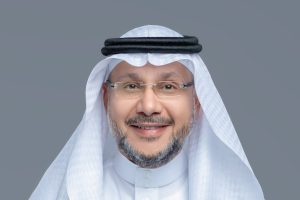
Dr Abdulaziz Alswailem, the CEO of the Saudi Authority for Intellectual Property (SAIP), reflects on the country’s growing role in global intellectual property (IP) policy. He highlights Saudi Arabia’s efforts to foster a strong IP ecosystem through national and international collaborations, such as the Riyadh Design Law Treaty, which sets a global precedent for design protection. Alswailem emphasizes the importance of IP for both local and international businesses, underscoring SAIP’s commitment to providing efficient, accessible services for innovators.
Can you start by introducing the factors that led to the creation of the authority back in 2017?
The establishment of the Saudi Authority for Intellectual Property (SAIP) was a strategic move driven by a confluence of factors, all recognizing the pivotal role of intellectual property (IP) in fostering economic growth and driving innovation. It wasn’t a standalone decision, but rather a key component of the broader Saudi Vision 2030, which prioritized the development of a knowledge-based economy. This required fostering innovation and creativity, which are linked to a robust IP ecosystem. Protecting and enabling intellectual creation was seen as essential to attract investment, encourage entrepreneurship, and promote the growth of new industries. The establishment of SAIP by Royal Decree underscores the Kingdom’s commitment to achieve these objectives.
Saudi Arabia engaged in extensive consultations with the World Intellectual Property Organization (WIPO) to learn from international practices in IP administration and enforcement. This collaboration ensured that SAIP would be built on a solid foundation, incorporating proven strategies for effective IP management. Since a fragmented approach to IP management was seen as inefficient and inadequate. The decision to consolidate all aspects of IP – including patents, trademarks, copyrights, trade secrets, and geographical indications – under one roof within SAIP was a deliberate move to create a streamlined and comprehensive system. This “one-stop-shop” approach simplifies the process for innovators, fostering a more conducive environment for IP creation and protection.
SAIP’s mandate goes beyond simply registering IP rights. Recognizing that registration alone is insufficient, SAIP is also responsible for enabling and enforcing those rights. This includes promoting IP awareness, providing guidance and support to rights holders, and taking action against infringements. This proactive approach is crucial for ensuring that IP rights are respected and protected in practice.
SAIP’s comprehensive and integrated model has garnered international attention, with the World Intellectual Property Organization (WIPO) recognizing its success in their study, “Models of Intellectual Property Governance and Administration.” The study evaluates SAIP as a potential best-practice model for other countries, underscoring the strategic importance of IP in Saudi Arabia’s development and the effectiveness of SAIP’s approach. A robust IP framework signals to international businesses that their innovations and creations will be protected within Saudi Arabia.
What is your mandate within the organisation and the key activities you are leading today?
Saudi Authority for Intellectual Property (SAIP) has a broad and vital mandate: to establish and implement a clear and effective national IP strategy for Saudi Arabia. This encompasses raising awareness about the importance of IP and managing all IP-related activities within the Kingdom. As the national registry office, SAIP oversees all intellectual property matters, from registration and administration to enforcement.
One of our key roles is acting as the official interface between Saudi Arabia and the World Intellectual Property Organization (WIPO). This has allowed us to build a strong collaboration with WIPO, ensuring that we align with best practices. We also maintain national collaborations with various local entities and engage in international partnerships with IP offices around the world. By fostering both national and international relationships, we strengthen Saudi Arabia’s position within the global IP ecosystem.
How would you describe the current intellectual property landscape for international companies in Saudi Arabia’s pharmaceutical, life sciences, and biotech sectors?
Assessing the state of intellectual property (IP) in Saudi Arabia involves several layers. The first layer involves understanding how many IPs, particularly inventions from outside the country, are registered here in Saudi Arabia. If international companies want to protect their IPs against competitors or in a professional market, they will look to register their intellectual property in Saudi Arabia. This balances the number of IPs generated within the country and those registered internationally.
I am pleased to say that we have managed to achieve a balance in this regard. When we see more IPs registered internationally, we are successfully attracting investors to our country. On the other hand, when there are more national registrations, it reflects the level of innovation within the country.
To answer your question, I believe that intellectual property is respected here in Saudi Arabia. There is a growing attraction for international investors to bring their ideas and innovations here, particularly given the country’s ambitious mega-projects and initiatives. As these projects unfold, they create opportunities for companies to bring their intellectual property to Saudi Arabia, contributing to the development of the nation’s knowledge-based economy.
Are there any key elements in your national strategy that you are working on with international and local companies? What challenges or opportunities do they share with you, and what are the main directions you are focusing on based on their feedback?
First, we established clear standards to ensure we operate at the highest level. Saudi Arabia is now recognised as an International Searching and International Preliminary Examining Authorities (ISA/IPEA) under the Patent Cooperation Treaty (PCT) , one of only 25 primary examination offices globally. We earned this recognition after a comprehensive and rigorous quality evaluation by the World Intellectual Property Organization (WIPO), ensuring that we meet all necessary standards. This certification was approved by WIPO’s General Assembly, reinforcing the quality of our practices.
Next, we reviewed and amended our laws and regulations to make them clearer and more transparent, which we believe is crucial for international companies looking to register IP in Saudi Arabia. We have also successfully joined several international treaties. Expanding from just four international IP treaties to fourteen in a short period demonstrates our dedication to operating at the same level as leading international IP offices and underscores our integration into the global IP system.
Additionally, we have revamped our electronic systems. Without robust electronic systems, it would be challenging to attract quality inventions. We have launched a unified platform for intellectual property (IP), incorporating artificial intelligence for image and voice recognition to enhance the registration process.
Finally, we have been working on strengthening ties with international offices. For instance, we signed agreements with key global IP offices, including those in the five IP offices (IP5), which is the name given to a forum of the five largest intellectual property offices in the world —the US Patent and Trademark Office (USPTO), the European Patent Office (EPO), the Japan Patent Office (JPO), the Korean Intellectual Property Office (KIPO), and the China National Intellectual Property Administration (CNIPA). These offices collectively handle more than 70% of global IP filings. Our partnerships with them help facilitate data sharing, fast-track examinations, and ensure our systems are aligned with global best practices.
While Saudi Arabia doesn’t yet have the same volume of IP registrations as some other countries, the numbers are growing rapidly. For example, we registered around 4,300 patents last year, and our trademark registrations increased by more than 36% over the last four years, reaching more than 80,000. This shows that our efforts are paying off and attracting more international and domestic IP registrations. In summary, we are focused on refining our legal framework, enhancing our IT infrastructure, and fostering international collaboration to ensure Saudi Arabia is competitive in the global IP landscape.
You mentioned Saudi Arabia’s growing attractiveness for IP registrations. However, there is also a vision to position the country as a biotech hub, focusing on having more local companies manufacturing and innovating from within Saudi Arabia. What potential do you see for these companies to develop further, and what role does SAIP play in this national biotech strategy?
At SAIP, our primary goal is to provide timely, relevant services to the right clients. To achieve this, we launched IP Clinics, offering free support to individuals, SMEs, and companies unsure of how to protect their intellectual property. Last year, we helped over 5,000 clients, focusing on early-stage IP protection, especially in sectors like pharmaceuticals and biotech.
We also created the IP Academy in collaboration with WIPO, which provides local and international training. This year alone, we have offered over 130 training programs, reaching over 25,000 individuals, many from abroad. We aim to equip individuals and companies with the knowledge to navigate IP complexities globally.
A key challenge in biotech is timing, particularly in patenting. We work to ensure that companies protect their IP before publishing, preventing missed opportunities. In addition, our Technology and Innovation Support Centres (TISC), based at universities, companies, and ministries, connect local entities to a broader ecosystem for knowledge sharing and training.
We have also made it easier for international investors to access our services, integrating IP clinics into the Ministry of Investment’s website for seamless connections. These efforts are laying the foundation for a robust biotech ecosystem in Saudi Arabia, where companies can confidently innovate and safeguard their IP.
In line with the National Biotech Strategy, are you seeing more visibility, exposure, and demand from companies approaching SAIP?
We closely monitor IP trends, both regionally and globally, by analyzing patent registration data – comparing the number of patents international companies file in their home countries with those registered in Saudi Arabia. This provides valuable insights into economic value and helps us understand IP trends. One challenge we address is the fact that some companies underestimate the true value of their inventions, leading to missed IP protection opportunities.
To directly answer your question: Yes, we have noticed a sharp increase in applications, particularly from pharmaceutical companies. However, it is still not as high as expected given the various initiatives currently in play. Beyond the biotech strategy, there are several other initiatives at the national level—such as NEOM, related healthcare initiatives, and other projects from the Ministry of Health, the Saudi NIH, and the Saudi FDA. These initiatives are bound to attract clinical trials and innovation. If companies do not register and protect their IP in Saudi Arabia, they risk losing out on significant opportunities. We do expect more growth in terms of IP protection and registration, as these initiatives take full effect. The rising demand will foster stronger collaborations and partnerships between local and international stakeholders.
What are some of the key collaborations, and how do they support Saudi Arabia’s role in advancing IP protection?
The first and most significant collaboration is with WIPO, the World Intellectual Property Organization. This partnership is crucial because it provides us with the expertise needed to navigate international IP issues. We have also built a strong relationship with WIPO that extends beyond consultations—we have collaborated on initiatives like the IP Academy and our Summer School programs. These initiatives allow us to share our experiences in IP management with other countries and institutions.
In addition, under Saudi Arabia’s presidency of the G20, we brought together all the G20 countries’ IP offices for the first time to discuss international IP challenges. This collaboration led to the creation of the IP20, which focuses on addressing global IP issues, and it has been a vital platform for international collaboration.
On a regional level, we have also forged strong ties with the GCC Patent Office and other regional IP organizations to create a robust regional network. This ensures that our IP practices align with regional developments and that we share best practices with neighbouring countries.
At SAIP, we believe intellectual property should be ingrained in every institution and individual across Saudi Arabia. To achieve this, we have fostered strong national collaborations, such as our partnership with the Ministry of Education to introduce IP-related topics into the national curriculum. Saudi Arabia is one of the first countries to include over 1,800 IP-related items from elementary to high school, ensuring students understand IP’s value from an early age.
We have also worked with key national bodies, including the Research Development and Innovation Authority, the Zakat, Tax, and Customs Authority, and the Saudi Food and Drug Authority, to embed IP into the innovation process. In addition, our IP Policy for the Public Sector provides government sectors with clear guidelines on IP protection and employee rights. This has led many agencies to establish dedicated IP management departments. We are also encouraging national companies to create IP Portfolio Management Departments to manage their intellectual property strategically.
Saudi Arabia has made impressive strides in digital transformation, especially in using AI in various sectors. How is AI being leveraged at SAIP?
At SAIP, we are taking a comprehensive approach to Artificial Intelligence (AI), focusing on its integration in several key areas. We are using AI to enhance operational efficiency, such as incorporating AI-driven image recognition to assist examiners and providing AI-powered tools to help users conduct more effective searches in our IP databases. Additionally, we are developing a broader AI strategy to incorporate more AI-based processes into our operations.
While AI plays a significant role in innovation, Saudi regulations currently require human involvement in the creative process for patent eligibility. This means that inventions created solely by AI cannot be patented without human creativity. We are carefully exploring how to strike the right balance between AI output and human input in patent applications.
Moreover, we are looking into the potential of AI in machine learning, allowing systems to learn from existing patents and intellectual property to identify patterns and innovations more efficiently. Although this area is still evolving, we are actively working on solutions for how to protect works created by AI systems.
Alongside AI, we are also paying close attention to emerging technologies such as the metaverse. As virtual worlds grow in popularity, we are seeing an increase in IP infringements within these digital spaces. We are developing strategies to ensure intellectual property is adequately protected in these environments, recognising that a coordinated global solution will be necessary to address the unique challenges posed by the metaverse.
Looking ahead, what would you like to have achieved in the next couple of years?
Since 2018, we have been working through a strategic roadmap: from establishment (2018-2022) to growth (2023-2027), and then moving towards sustainability (2028-2032). We are about 65% into our growth strategy, and the next phase will focus on solidifying a sustainable and robust IP system.
Our goal is to balance speed and quality. Inventors today don’t have the luxury of waiting 12 months for a patent approval, so we aim to speed up the process while maintaining high-quality standards. We want to ensure that our examiners and staff, or as we call ourselves, Saipers, are highly skilled and equipped to handle emerging technologies and challenges.
A key priority will also be enforcement—both proactive and reactive. For instance, we have strong proactive measures in place, such as blocking counterfeit websites in under 30 minutes. We are also strengthening our reactive processes, including a platform that enables real-time tracking of shipments entering Saudi Arabia to ensure they don’t contain counterfeit products. Our aim is to create a secure environment for investors and ensure that Saudi Arabia remains a profitable and safe market for IP.
Is there any final message or important insight you would like to convey to companies looking to engage with SAIP or navigate the intellectual property landscape in Saudi Arabia?
A significant achievement we’re particularly proud of is the Riyadh Design Law Treaty, concluded in Riyadh last November. This is the first international IP treaty ever named after Riyadh city, and it brings together over 185 countries. After two weeks of intensive discussions, we reached an agreement that sets a significant precedent in the field of design law. It is a testament to Saudi Arabia’s growing role in shaping global intellectual property (IP) policy.
This treaty represents a promising outcome for global IP protection, as it will establish clear standards for design protection and make it easier for creators and businesses to protect their intellectual property across borders.
To companies, I want to emphasize that Saudi Arabia is not only developing a robust operational model and legal framework for IP but also fostering international cooperation. Our work with treaties like the Riyadh Design Law, along with our ongoing collaborations with global IP organizations, demonstrates our commitment to creating a supportive and dynamic IP ecosystem. I encourage both local and international companies to take advantage of the resources and opportunities available here, ensuring they have the tools to protect their intellectual property and benefit from a competitive, secure, and thriving market for innovation in Saudi Arabia.