UK Britain, home of the discovery of the world’s first ever vaccine, has long been championing a pharma sub-segment forecast to reach a global market value of USD 49.27 billion by 2022. However, despite possessing the innovators, the infrastructure and the coverage, the UK’s thriving vaccine industry risks being blown off…
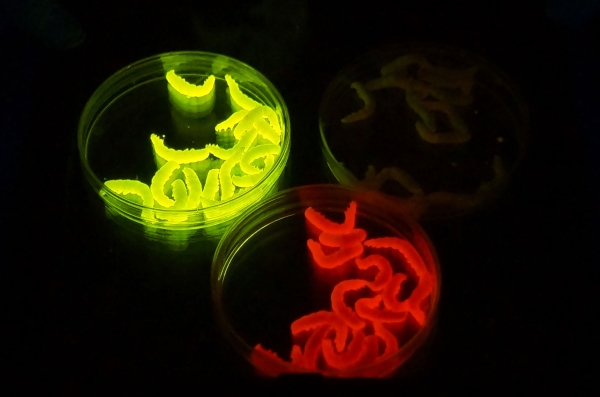
Spain Spanish biotech ALGENEX is using insect pupae to develop high-purity vaccines more quickly and at a lower cost than conventional production methods. Having secured further investment from outside of Spain, ALGENEX is now looking to produce its first vaccine for European regulators using insect-based production methods. We realised the huge…
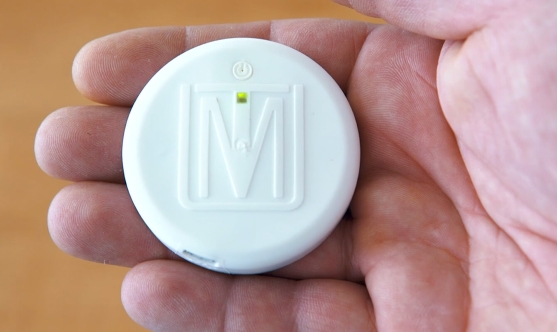
Malta UMANA T1 – a patient monitoring ecosystem that uses tattoo sensor technology to measure and record heart rate and other physiological parameters – stands as one of the most innovative technologies ever developed in Malta and could herald a shift in the island nation’s innovation landscape. “The operating environment [in…
UK As the UK extracts itself from the European Union, key figures from the country’s life sciences sector are split on the implications of Brexit for their industry. “The UK pharmaceutical industry and the patients who rely on it are under serious threat from Brexit” Erik Nordkamp, Pfizer Erik Nordkamp, the…
Cannabis One area in which the island nation of Malta has been a first mover in embracing disruption has been its controversial entry into the global cannabinoid market. The medical cannabis market within the EU is expected to be worth USD 56 billion by 2020 with leading European nations such as…
Portugal A new regulation is helping Portugal’s market access conditions for pharmaceuticals catch up with those of other developed European markets, with a jump in the number of approvals for 2017. The situation is further enhanced by increasing inter-stakeholder communication and transparency, and a targeted focus on removing bureaucracy barriers, from…
Baltics As the Lithuanian market matures, profound shifts have been taking place in the arena of human resources and how drug developers go about identifying, acquiring and retaining the personnel they require for a new age of medical science. “There are a number of emerging trends underway that are forcing companies…
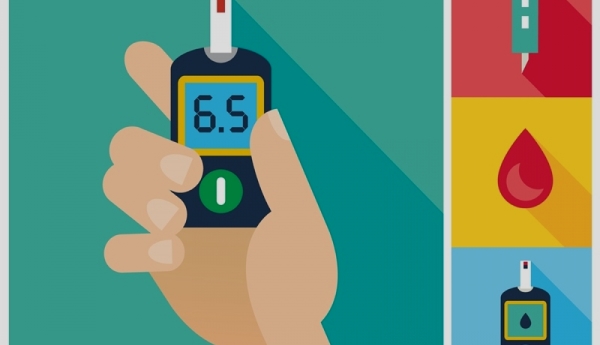
Lithuania With over 120,000 people whose lives are affected by the disease in Lithuania; diabetes stands as one of the country’s major health issues today. Furthermore, as Marijus Valatka, general manager for Lithuania, Latvia and Estonia of Novo Nordisk – the world leader in insulin and diabetes drugs – explains, “Lithuania…
Poland Despite the global R&D excitement around oncology, cardiovascular death still remains the world’s largest killer, and according to OECD data, accounts for roughly a third of all mortalities. This trend is no different in Poland. Nevertheless, the country is taking on the challenge head on, and is considered a leader…
Lithuania Lithuania’s biotech sector has grown by between 20 and 25 percent over the last five years and accounts for over one percent of the entire country’s GDP. Key industry stakeholders are, however, split on whether Lithuania truly holds the potential to become a biotech hub that can stand alongside nations…
Serbia In a market environment that, up until recently, has been severely difficult for producers of chemical pharmaceutical products to operate in, three enterprising Serbian companies – Pharmanova, INNventa and Esensa – have found success by stepping up their offering in dietary and other health supplements, as well as cosmetics and…
Serbia Between 2010 and 2012 just one of the 139 new medicines to receive market authorisations globally was approved for reimbursement in Serbia, compared with 44 in Bulgaria and 27 in Croatia; meaning a severe lack of patient access to much-needed treatments as well as an extremely challenging environment for innovative…
See our Cookie Privacy Policy Here