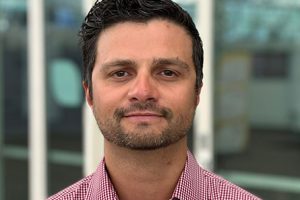
What if the key to treating chronic and age-related diseases has been hidden in plain sight, within the 98 percent of the human genome once written off as “junk”? HAYA Therapeutics is betting on it. In this interview, CEO and Scientific Co-Founder Samir Ounzain reveals how his obsession with the so-called dark genome has led to a new class of precision RNA-guided medicines, now on the cusp of clinical validation. Backed by a landmark deal with Eli Lilly, HAYA is poised to unlock a radically different path for drug discovery.
How did your scientific background shape the founding vision of HAYA Therapeutics?
My background is rooted in academic science, having spent nearly two decades as a molecular biologist driven by a singular question: what role does so-called “junk DNA” play in human biology? When I began my undergraduate studies in 2001, the draft human genome had just been published, revealing that only about two percent of our DNA codes for proteins. The remainder, at the time, was largely dismissed as non-functional. This paradox immediately captured my curiosity. If we share a similar number of protein-coding genes with flies or even bananas, what accounts for our biological complexity?
This so-called junk DNA – now more accurately referred to as the dark genome or regulatory genome – emerged as the central focus of my academic career. Over the years, it became increasingly clear that this vast, non-coding region of the genome plays a critical role in how cells process information and respond to environmental cues, particularly through epigenetic regulation. In fact, 98 percent of the genetic variants associated with common and chronic diseases – from heart failure and diabetes to cancer and dementia – fall within these non-coding regions, according to genome-wide association studies.
What makes this discovery so compelling is the nature of the molecules involved. Long non-coding RNAs (lncRNAs), which originate from the dark genome, do not produce proteins but instead regulate gene expression and cell identity with a high degree of specificity. Unlike proteins or messenger RNAs, which are broadly expressed and often lead to off-target effects, lncRNAs tend to be restricted to particular cell types, tissues, and disease states, offering an unprecedented level of precision and safety for therapeutic targeting.
By 2017, we had published several foundational papers identifying lncRNAs involved in cardiovascular disease, particularly fibrosis. At the same time, the emergence of programmable RNA-targeting technologies – such as antisense oligonucleotides (ASOs) and small interfering RNAs (siRNAs) – made the leap from academic discovery to therapeutic development not only conceivable, but strategically sound. These modalities are highly adaptable, scalable, and increasingly validated.
We founded HAYA Therapeutics in 2019 with the ambition to harness this untapped layer of biology to develop RNA-guided medicines that reprogram disease-driving cell states. Although we formally incorporated the company that year, it was not until 2021 that we raised our USD 25 million seed round and truly began building. From the outset, our mission has been clear: to unlock the therapeutic potential of the regulatory genome and bring forward a new class of precision medicines for chronic and age-related diseases.
What progress has HAYA made with its lead programme, HTX-001, and how is the broader pipeline evolving across different disease areas?
Our lead programme, HTX-001, is an antisense oligonucleotide designed to target Wisper, a long non-coding RNA derived from the dark genome and identified as a key regulator of cardiac fibrosis. This discovery, which we published in Science Translational Medicine, provided the scientific foundation for our development efforts. HTX-001 is currently undergoing GLP-compliant toxicology studies as part of our IND-enabling activities, with first-in-human trials expected to begin early next year, an important milestone for the company.
To support this clinical transition, we have recently closed a USD 65 million Series A financing round, led by Sofinnova Partners and Earlybird Venture Capital, with the participation of Eli Lilly and Company. While the announcement was under embargo at the time of this conversation, the round had closed, securing the resources necessary to drive HTX-001 through early clinical development.
Beyond the lead programme, HAYA is powered by a full-stack discovery and development platform built to decode the regulatory genome at both single-cell and bulk resolution. This multimodal approach integrates functional genomics with a proprietary computational framework, enabling target discovery, validation, and therapeutic design across multiple disease contexts. Approximately one-quarter of our team is composed of computational scientists, which reflects the critical role data plays in our drug development strategy.
This platform has already yielded promising follow-on programmes. The second, targeting idiopathic pulmonary fibrosis, is progressing toward development candidate nomination, based on lncRNA targets that regulate fibroblasts in the lung. A third programme, supported by Innosuisse – the Swiss Innovation Agency – applies our platform to fibroblasts within the tumour microenvironment across several solid cancers, including pancreatic, triple-negative breast, and head and neck squamous cell carcinoma. These fibroblasts are increasingly recognised as key drivers of disease progression and therapeutic resistance, particularly in the context of immunotherapy.
How do you maintain scientific focus while leveraging the broad therapeutic potential of your regulatory genome platform?
Although our regulatory genome platform holds wide-ranging therapeutic potential, we have remained deliberately focused – particularly within our internal pipeline – on the biology of fibrosis. Our lead candidate, HTX-001, targets myocardial fibrosis, with an initial indication in heart failure resulting from non-obstructive hypertrophic cardiomyopathy (nHCM), a condition for which no approved therapies currently exist. Therapies such as mavacamten, developed by Bristol Myers Squibb, and Cytokinetics’ aficamten, have demonstrated benefit in obstructive cases by modulating cardiac contractility; however, they do not address the fibrotic pathology that drives non-obstructive disease and have shown limited clinical efficacy in that population.
Fibrosis represents one of two fundamental domains of myocardial vulnerability. While cardiomyocyte dysfunction and contractile impairment have long been the focus of therapeutic innovation, the interstitial compartment – regulated by fibroblasts and responsible for diastolic dysfunction – has remained largely overlooked. With HTX-001, we are directly targeting this underexplored space, with the aim of delivering clinical proof of mechanism in nHCM and ultimately expanding into heart failure with preserved ejection fraction (HFpEF), another high-burden fibrotic condition lacking effective disease-modifying treatments.
While fibrosis anchors our in-house development efforts, our broader ambition is to redefine precision medicine by unlocking the regulatory genome as a new frontier in drug discovery. This vision is reflected in our strategic partnership with Eli Lilly, announced last year, which applies our platform to the field of obesity. The collaboration – one of the largest of its kind in the regulatory genome space – highlights the scalability of our approach and its potential to address a diverse range of diseases by targeting cell state dysfunction at its source.
To support this expansion, we have continued to build a leadership team capable of scaling both our platform and our ambitions. Most recently, Dr Richard Law joined as Chief Business Officer, bringing extensive experience in AI-driven drug discovery and strategic partnerships. At Exscientia, he played a key role in guiding the company through its merger with Recursion Pharmaceuticals. His appointment underscores our commitment to building a forward-facing, collaborative organisation capable of translating frontier biology into real-world therapeutic solutions.
What role do strategic partnerships, such as your collaboration with Eli Lilly, play in accelerating your mission?
Maintaining strategic flexibility is essential to how we build HAYA. The therapeutic opportunities emerging from the regulatory genome are vast, particularly across chronic and age-related diseases where cell-state dysfunction plays a central role. Our mission is to unlock this biology for patients, but doing so effectively requires a pragmatic understanding of how and where value can be created most efficiently. In some cases, we can move quickly with the resources we have; in others, it is clear that an experienced partner – with complementary capabilities in clinical development, access, or commercialization – can accelerate progress.
This philosophy underpins our partnership with Eli Lilly, announced in September last year. It is a landmark collaboration, not just for HAYA, but for the field more broadly, as it represents one of the first major deals to explore the therapeutic potential of the regulatory genome. The focus of the collaboration is obesity, a clear demonstration that our platform is capable of extending well beyond our proprietary fibrosis programmes and into new indications where cell-state reprogramming can offer a differentiated path forward.
This is not simply a matter of first-in-class innovation. We are working at the level of first-in-biology, charting a new therapeutic space with inherently higher biological risk but also the potential for much greater precision and impact. For years, the industry has converged around familiar targets and validated pathways, but we are now seeing a shift. Increasingly, there is recognition that truly differentiated therapeutics will come from deeper biological insight. That is where we have been focused from the outset: identifying how cells transition from healthy to diseased states, understanding the genomic regulation underlying those transitions, and intervening directly at that level.
While we are not yet disclosing milestones from the Lilly collaboration, it is a deeply validating relationship for us. It reflects a shared commitment to building the scientific and operational foundations for a new class of medicines, ones that are grounded in biology and designed to meet patients where current approaches fall short.
How has the industry responded to your pioneering work in the regulatory genome, and what has helped build confidence in such an unconventional approach?
The industry’s reception has followed a clear evolution. At first, our work was met with silence, many simply disregarded it. That was followed by active scepticism, with stakeholders dismissing non-coding regions as biologically insignificant “junk DNA.” Today, however, we are seeing a shift. There is growing acknowledgment that the 98 percent of the genome previously overlooked is, in fact, essential to understanding how cell states are regulated and how complex diseases emerge.
Establishing credibility in such a nascent and unfamiliar area has demanded focus, rigour, and above all, data. Our collaboration with Eli Lilly was not the product of conceptual enthusiasm alone. It was made possible by the volume and quality of the science: identifying actionable targets, generating convincing preclinical data, and demonstrating translational relevance. The key was not simply storytelling, but execution, doing the experiments and proving the biology works.
There is often a tendency in this industry to overcomplicate strategy. In our case, the path has been intentionally straightforward. Build the data. Develop drug candidates. Show that they are safe, effective, and mechanistically grounded. And do so with a sense of urgency. At the same time, building a scalable organisation, resourcing the platform appropriately, engaging with pharma, and running parallel conversations with investors, has been essential to translating vision into tangible progress. That, more than anything else, has shifted the perception of what we are doing from speculative to credible.
How have you approached team building at HAYA, and what advantages do Switzerland and San Diego bring to your operations?
Building the right team has been central to our ability to move from scientific discovery to therapeutic development. Today, HAYA counts around 40 employees, evenly split between Switzerland and San Diego. This bi-regional structure enables us to bring together a broad spectrum of capabilities, from genomics, computational science and data analytics to translational biology and RNA drug development, reflecting the multidisciplinary nature of our work.
One of our first strategic decisions after raising our seed financing was to establish a presence in San Diego, which remains one of the most vibrant global centres for RNA medicine and genomics. The region is home to companies like Ionis Pharmaceuticals and, until recently, Regulus Therapeutics, and continues to attract some of the most experienced RNA scientists and drug developers. That local expertise has been instrumental in shaping our platform and advancing our programmes. Because we are working on science that sits at the frontier of therapeutic innovation, we have found that attracting top-tier, motivated talent has not been a barrier, on the contrary, the mission speaks for itself. Ours is a science-first company, and that clarity of purpose has helped us bring in people who are deeply aligned with what we’re building.
Switzerland has offered a similarly strong foundation. It provides access to exceptional scientific training, a deep pool of translational and clinical talent, and a life sciences ecosystem that is world-class in its infrastructure and support. As a European hub, it positions us well to engage with leading research institutions, regulatory bodies, and collaborators across the continent.
By operating across two ecosystems that are each globally recognised for different strengths, we have created an organisational model that is both scalable and grounded. It allows us to retain a tight focus on execution while drawing on complementary resources in innovation, talent, and infrastructure.
What are HAYA’s top priorities over the next 12 to 24 months, and what milestones will define this next phase?
Our central priority is to demonstrate that the biology we are advancing can translate meaningfully into patients. We have generated strong preclinical data in large animal models, but the true test lies ahead: showing that modulating dark genome targets can impact fibrosis in people with heart failure. Establishing clinical proof of mechanism will not only mark our transition to a clinical-stage company, it will also validate our broader platform approach.
This moment is pivotal, as it determines how we scale. If we show that cell-state reprogramming through long non-coding RNAs delivers measurable benefit, the logic of applying our platform to other high-burden diseases becomes clear. Many of these conditions remain underserved because we have yet to address the causal biology that drives them. Our focus is to go upstream, toward the origins of pathological change, and act with precision.
It is worth emphasising that our innovation lies in target-space biology, not delivery technology. Our therapeutic is a naked antisense oligonucleotide, administered without a vector or lipid nanoparticle. The field has invested heavily in delivery, which is important, but we believe the long-term impact will come from identifying and modulating the right targets, those that truly sit at the causal root of disease, that is where we continue to place our focus. In the end, the real innovation lies not only in delivery, but in identifying the right biological target and acting on it with precision.